During the holiday season, large gatherings, from corporate parties and public festivals to private celebrations, require specialized security planning to ensure the safety and enjoyment of all attendees. Professional security guards play a crucial role in managing crowds, deterring potential threats, and responding swiftly to emergencies, allowing hosts and guests to focus on the festivities. In this guide, we’ll explore how trained holiday event security personnel assess risks, implement access control, and maintain a visible yet unobtrusive presence to create a secure environment for any holiday event.
Holiday Event Security Strategies to Ensure Peace of Mind
Why Are Professional Security Guards Essential for Holiday Event Safety?
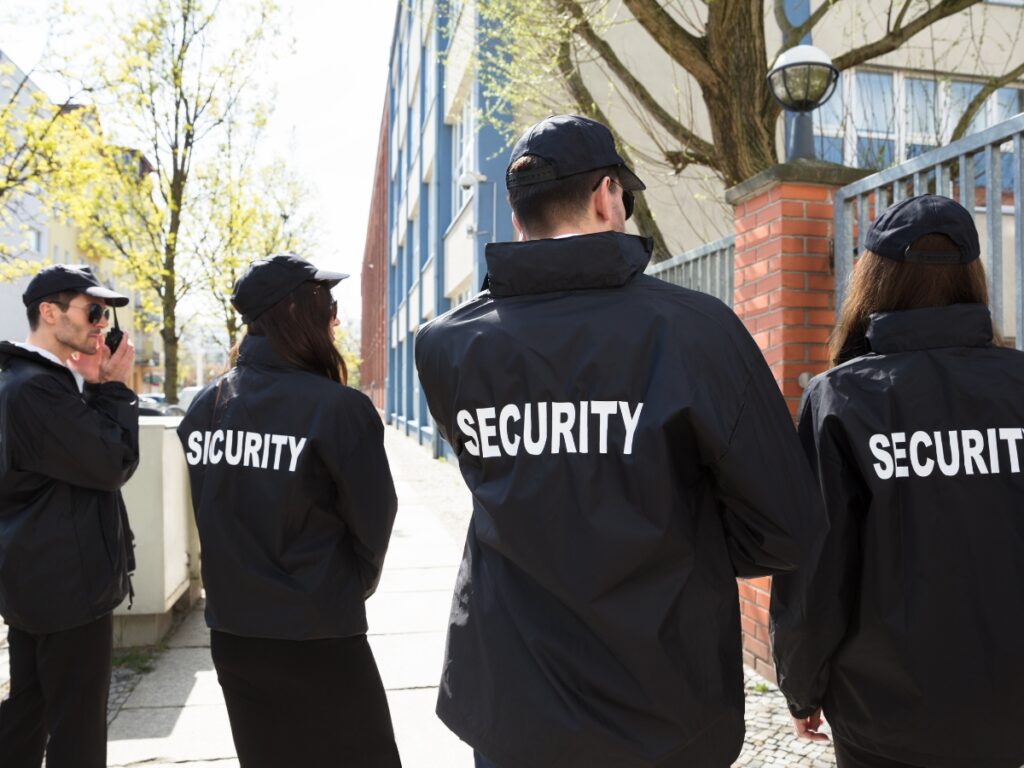
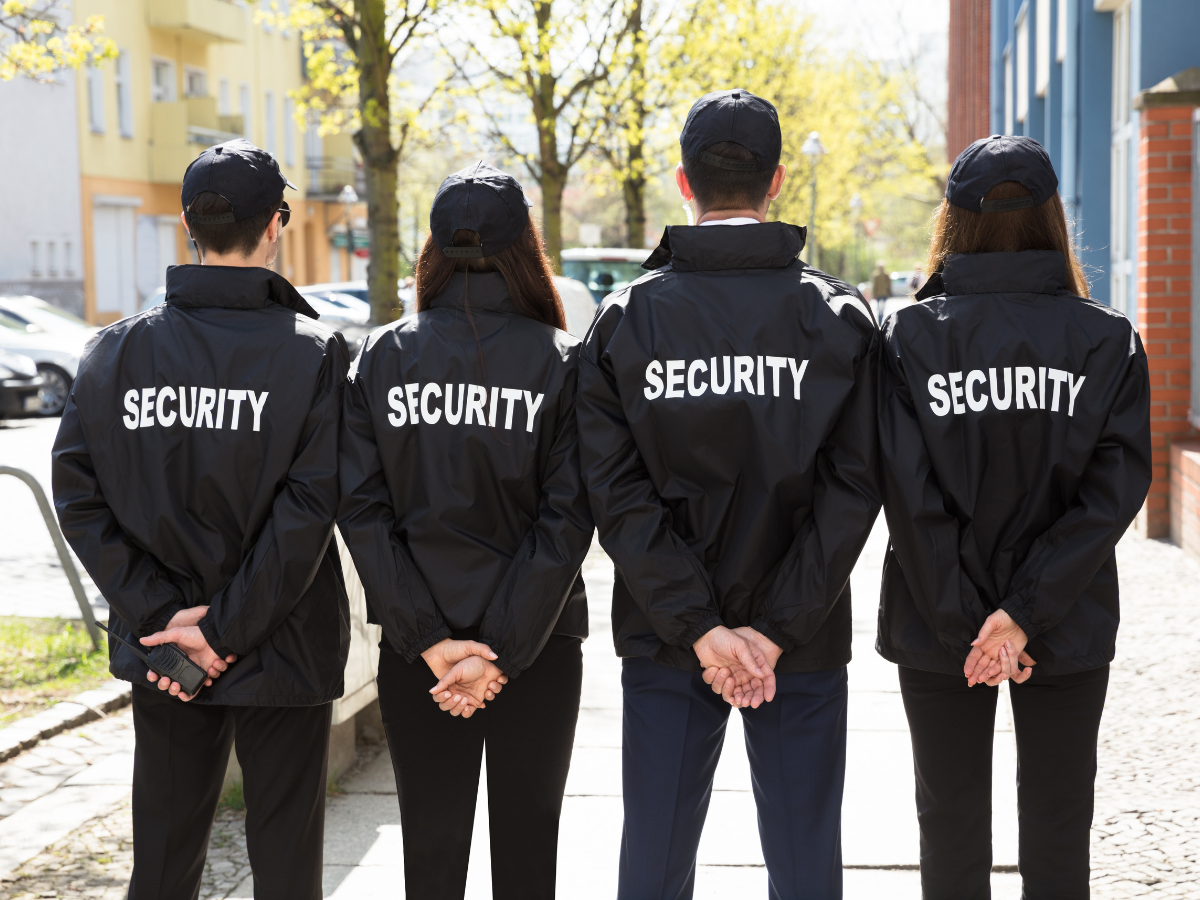
Professional security guards are a core part of holiday event security because they deter trouble, manage crowds, and respond quickly when something goes wrong. Their visible presence alone discourages theft, vandalism, and disorder at a time of year when foot traffic and tensions tend to run high. Behind the scenes, trained teams follow clear procedures for access control, bag checks where appropriate, and patrol routes that cover high risk zones such as entrances, bars, and parking areas.
When an incident occurs, guards move from prevention to coordinated response. They can separate parties in a dispute, initiate basic first aid, and escalate to law enforcement or medical services when needed. Their reports, time stamps, and witness notes also support post-incident reviews and help event organizers demonstrate that reasonable precautions were taken. In short, professional guards turn holiday event security from a general concern into a structured safety plan that is visible to guests and defensible from a liability standpoint.
What Risks Do Holiday Events Present That Require Expert Security?
Holiday events bring together large crowds, valuable merchandise, and a mix of alcohol, stress, and high expectations. That combination creates a higher likelihood of pickpocketing, shoplifting, and vehicle break-ins around venues and parking lots. Crowding at entrances, photo spots, or bars can lead to pushing, falls, or minor conflicts that escalate if nobody is actively directing movement. Private and corporate parties add another layer of risk when alcohol service is involved and guests move between indoor and outdoor areas.
Although rare, higher impact threats such as active assailant scenarios or vehicles driven into pedestrian zones have to be considered whenever you gather large groups in public or semi-public spaces. Weather can also complicate things by creating slippery surfaces or forcing last-minute layout changes. Because so many of these risks overlap, experienced holiday event security providers start with a structured risk assessment. They map likely choke points, identify high-value or sensitive areas, and recommend staffing, cameras, lighting, and barriers that match both the venue and the expected crowd profile.
How Do Security Guards Manage Crowd Control At Large Holiday Gatherings?
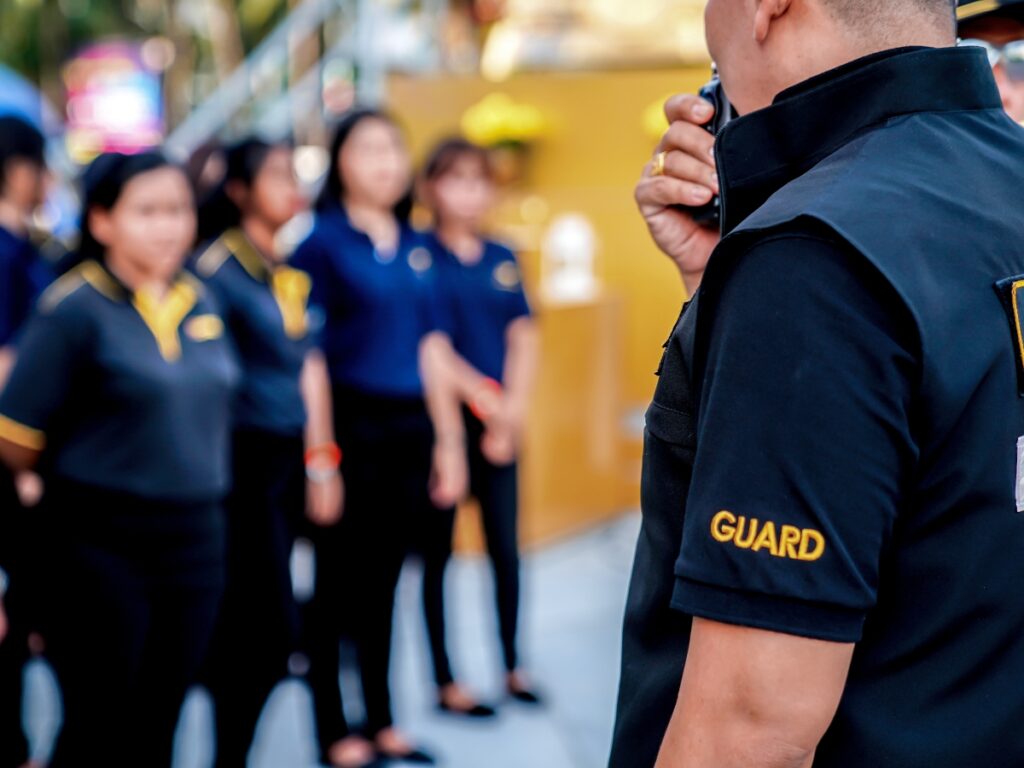
Crowd control begins long before guests arrive. Security teams review the floor plan, identify natural bottlenecks, and work with organizers to position stages, bars, registration, and photo areas so that people can move without crossing the same pinch points repeatedly. On the day of the event, guards are positioned at entries, key intersections, and high-visibility posts. They use radios to coordinate, shifting staff toward emerging hot spots rather than waiting for problems to grow.
During the event, guards watch density more than headcount. If lines at the bar or buffet begin to back up, they may adjust queue patterns, open additional access points, or temporarily pause entry to a specific area. Clear, calm verbal instructions and visible wayfinding support these adjustments so guests understand where to go next. In an emergency, those same guards guide people to exits, keep routes clear for first responders, and help prevent panic by providing simple, direct directions.
Effective crowd management is one of the strongest arguments for investing in professional holiday event security. When guards are integrated into planning, rehearsals, and debriefs, they help turn a potentially chaotic seasonal gathering into an organized, safe experience that still feels festive for guests.
How Does Effective Event Security Planning Protect Holiday Celebrations?
Effective event security planning is what turns a fun idea on paper into a safe, well-run holiday celebration in real life. Instead of reacting in the moment, organizers use a clear planning lifecycle that moves from risk assessment to staffing, technology, and post-event review. When this work is done early, holiday event security becomes predictable, easier to manage, and easier to explain to stakeholders if something does happen.
Planning usually begins with a structured risk assessment. The team walks the venue, maps every way in and out, and notes where crowds are likely to gather, such as stages, bars, registration tables, photo areas, and parking access. From there, organizers profile expected attendees and behaviors, whether it is families with children at a daytime market or mixed-age crowds with alcohol service at an evening party. That combination of site layout and attendee profile drives decisions about how many guards are needed, where they should stand, and which areas deserve camera coverage or extra lighting.
Once those decisions are made, the planning work turns into concrete deliverables. A staffing plan assigns posts and shift schedules, a simple site diagram shows entrances, exits, vendor zones, and emergency routes, and a basic communications plan explains who talks to whom on the radio if something goes wrong. Professional providers then convert this information into briefings and post orders so guards arrive knowing exactly what is expected of them. This level of preparation is what separates improvised coverage from truly effective holiday event security.
What Are The Key Steps In Holiday Event Security Risk Assessment?
A focused risk assessment is the backbone of any serious security plan. It starts with a detailed walkthrough of the venue that looks past decor and staging and pays attention to sightlines, blind corners, lighting gaps, and potential pinch points. Planners note where vehicles approach, how emergency services would access the site, and where guests are likely to queue or cluster. They also consider time of day, weather, and whether activities will pull people toward certain areas at specific times.
Next comes an analysis of how people will move through the space. Organizers estimate peak arrival and departure periods, likely traffic near bars or food stations, and any transitions between indoor and outdoor zones. From there, they assign relative risk levels to specific areas, such as cash handling points, VIP arrival zones, or stages where crowds tend to compress. The output is not just a list of worries, but a practical blueprint that links each higher risk area with specific mitigations such as extra guards, barriers, or clearer signage.
A good risk assessment closes with a simple but explicit plan: a staffing matrix that shows who is stationed where and an escalation protocol that explains when frontline guards should involve supervisors, medical teams, or law enforcement. That document becomes the reference point for everyone involved in keeping the event safe.
How Do Security Guards Implement Access Control And Surveillance?
On the day of the event, security guards bring the plan to life through access control and active monitoring. At entrances, they verify tickets or credentials, manage queues, and perform bag or ID checks where appropriate. Their job is to keep lines moving while still screening for prohibited items and recognizing people who should not be on site. Inside the venue, guards rotate through key locations, watch how crowds are forming, and give gentle course corrections so guests do not block exits or emergency routes.
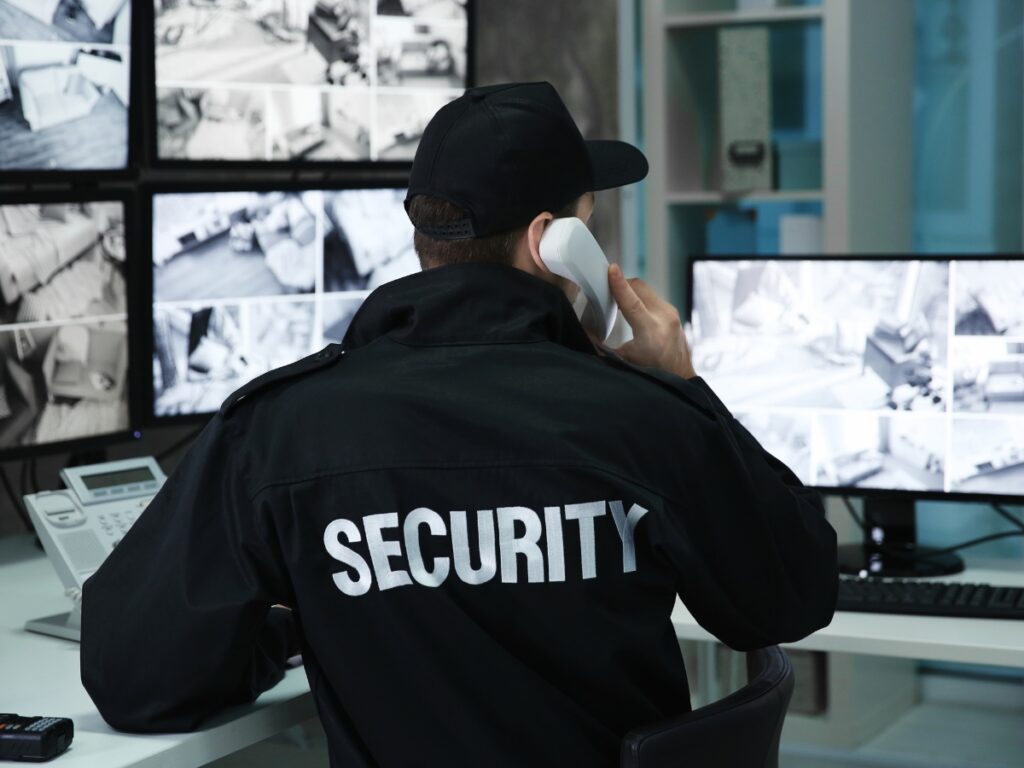
Surveillance supports this work by extending the eyes of the team. Cameras positioned at entrances, choke points, and high-value areas feed into a central monitoring spot where supervisors can see patterns developing before they turn into problems. Radio protocols keep everyone connected, so a concern spotted on camera can be checked quickly on the ground, and minor issues can be resolved quietly before they grow.
Legal and privacy considerations shape how surveillance is used. Camera placement avoids private areas, and signage informs guests that monitoring is in place. When technology, planning, and on-site personnel work together, holiday event security becomes an integrated system rather than a few guards standing by the door, which is exactly what you want for a safe and enjoyable seasonal celebration.
What Specialized Security Services Are Available For Corporate Holiday Parties?
Corporate hosts have a wide range of specialized options when they start planning holiday event security. The mix you choose depends on guest profile, location, and the level of risk identified in your pre-event assessment. At the lighter end of the spectrum are unarmed, hospitality-focused guards who blend into the atmosphere, greet guests, monitor behavior, and keep an eye on access points without making the event feel overly controlled. They work especially well for in-office celebrations, cocktail receptions, and client appreciation events where the emphasis is on a welcoming, professional tone.
For higher profile events, providers may recommend additional layers such as roving perimeter patrols for outdoor markets and vendor areas, or a small number of armed guards when venue rules and local law permit it, and the risk profile justifies a force capable presence. Executive or VIP protection is a more specialized service that focuses on named individuals and their movements before, during, and after the event. Thinking through these options in advance helps planners match service levels to the real needs of their holiday event security plan rather than guessing on the day of the party.
How Do Armed And Unarmed Guards Enhance Corporate Event Safety?
Armed and unarmed guards play different but complementary roles in holiday event security. Unarmed officers form the backbone of most corporate events because they combine visible presence with a hospitality-minded approach. They guide guests, watch crowd flow, respond to minor issues before they escalate, and work closely with event staff to protect doors, stairwells, and emergency exits. Their goal is to keep the environment calm and professional while quietly enforcing house rules and venue policies.
Armed guards are usually reserved for situations where a risk assessment points to higher exposure, such as events with high-value assets on site or a history of specific threats. In those settings, armed officers operate under strict protocols, coordinate with unarmed teams, and stay focused on deterrence and rapid response rather than routine guest interactions. The right mix depends on venue requirements, insurance conditions, and the outcome of your threat assessment. When those pieces are aligned, armed and unarmed teams work together to create a layered security posture that feels reassuring rather than intrusive.
What Role Does VIP Protection Play In Holiday Party Security?
VIP protection adds another layer for corporate celebrations that involve executives, public figures, or other high-profile guests. Close protection starts long before the first guest arrives, with route planning, arrival timing, and coordination with the venue and local responders. Protection officers assess parking areas, loading docks, and back-of-house corridors so they can move VIPs discreetly, avoid unnecessary exposure, and maintain clear paths in and out of the building.
During the event, VIP protection teams manage proximity around their principals, subtly screen those who approach, and maintain constant communication with the broader security detail. If a concern arises, they already have contingency plans for repositioning, delaying departures, or moving to a safer location without disrupting the entire party. When VIP protection is integrated into the overall holiday event security plan, it protects key individuals while preserving smooth flow for everyone else, which is exactly what most corporate hosts want during a busy holiday season.
Frequently Asked Questions
What are the common challenges faced by security personnel during holiday events?
Common challenges include managing large, dense crowds; maintaining safety in high-traffic zones; and handling behavior issues tied to alcohol. Theft and opportunistic crime can increase during festive gatherings. Clear communication, rehearsed plans, and coordination with event staff and local law enforcement are essential to keeping the event secure.
How can technology enhance security measures at holiday events?
Technology strengthens security through CCTV, access control, and real-time communication tools. Cameras provide continuous oversight, access control systems limit entry to restricted areas, and mobile devices or radios enable fast coordination across teams—helping staff detect and respond to threats more quickly.
What should event organizers consider when planning security for outdoor holiday markets?
For outdoor markets consider crowd density, vendor layout, and emergency access routes. Conduct a thorough risk assessment to tailor security measures. Make sure personnel are trained for outdoor-specific challenges like weather, lighting, and visible deterrence needs. Coordination with local law enforcement enhances overall preparedness.
How do security guards handle medical emergencies during holiday events?
Security guards assess the scene, provide basic first aid, and coordinate with emergency medical services. Many guards carry first-aid kits and are trained in CPR and basic life support. Guards secure the area, communicate the situation to command, and assist EMS on arrival to ensure prompt medical care.
What role does crowd psychology play in holiday event security planning?
Understanding crowd psychology helps predict likely behaviors and prevent escalation. Group dynamics, emotional states, and alcohol influence how crowds behave. Applying that insight—through signage, clear pathways, and proactive communication—reduces confusion and helps crowds move safely.
How can event organizers ensure effective communication among security teams?
Effective communication relies on two-way radios, secure mobile apps, and concise pre-event briefings. Establish clear protocols and escalation paths, and practice them in training. When teams know how to communicate and when, information flows faster and responses are more coordinated during routine operations and emergencies.
Conclusion
A successful holiday event is a secure one, where guests can celebrate with peace of mind knowing their safety is professionally managed. From access control and crowd management to emergency response planning, trained security guards are essential for preventing disruptions and ensuring a smooth, enjoyable experience for everyone. At 4Horsemen Investigation & Security, we provide customized security solutions for large gatherings, blending visible presence with proactive strategy. Secure your next event with confidence: Call 404-680-0860 or visit our website for a free consultation today. Let our team handle the safety, so you can focus on the celebration.