
A well-crafted family emergency plan is not just a document—it’s a vital tool that empowers every household member with clear, actionable steps to stay safe, communicate effectively, and reunite during any crisis, from natural disasters to unexpected personal emergencies. By proactively outlining escape routes, designating meeting points, and assembling essential supplies, you transform uncertainty into preparedness, reducing panic and ensuring a coordinated response when minutes matter most. In this guide, we’ll walk you through the essential components of creating a comprehensive family emergency plan, helping you build resilience and peace of mind for any situation life may bring.
Family Emergency Plan for Natural Disasters and Emergencies
What Are the Key Elements of a Family Emergency Preparedness Checklist?
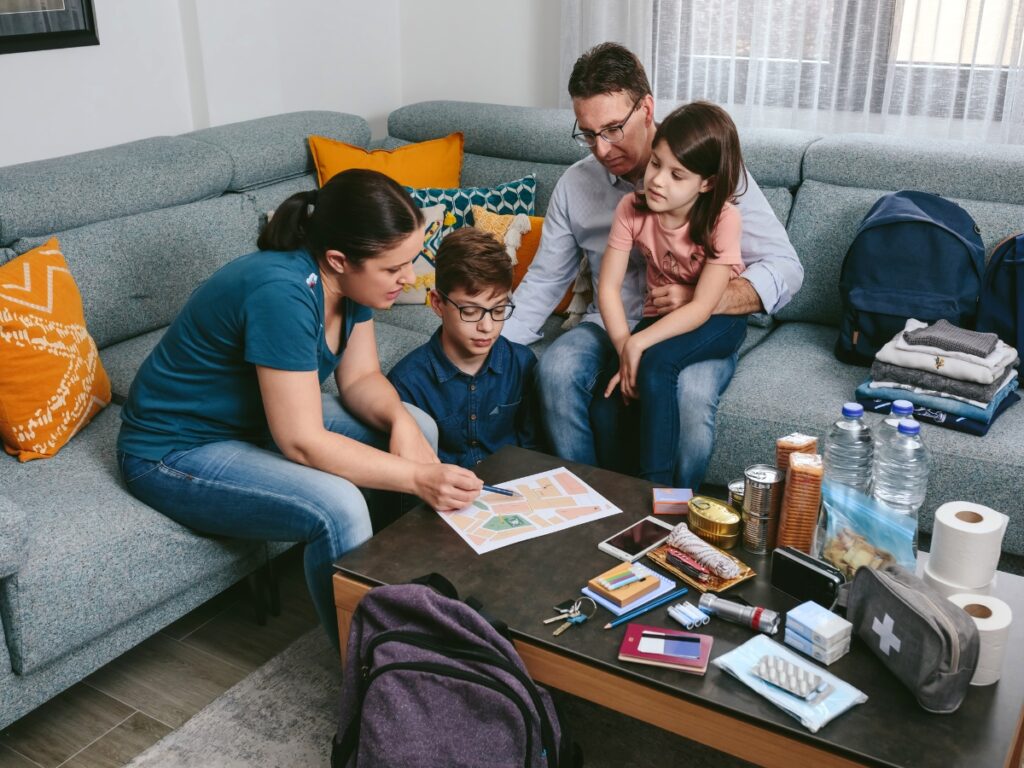
A family emergency plan helps take the panic out of high-stress situations. When something unexpected happens, people rarely think clearly in the moment. A simple checklist gives your household a shared script, so everyone knows where to go, who to contact, and what to grab. The goal is not to prepare for every possible scenario. It is to build a plan that works in the emergencies most likely to affect your area, then keep it easy enough that your family can actually follow it.
A strong checklist usually comes down to three essentials: how you will communicate, what supplies you will rely on, and how you will evacuate or shelter safely. When those pieces are in place, your family emergency plan becomes something you can use, not just something you wrote down.
How Do You Create An Effective Emergency Communication Plan For Families?
Communication is often the first thing that breaks down during an emergency. Cell towers can be overloaded, power can go out, and family members may be separated at school, work, or errands. That is why a communication plan needs to be specific, not just a general idea.
Start by choosing an out-of-area contact who can serve as a central point of communication. This person should live far enough away that they are less likely to be dealing with the same local emergency. Everyone in the household should know that contact’s name and how to reach them. It also helps to write the number down, since phones can die or get lost.
Next, plan for more than one way to communicate. Texting often goes through when calls do not, so include texting as the default option. If you have younger children, make sure they know who to contact and what to say in a simple, rehearsed format. Keep the message short and consistent, such as where you are and whether you are safe.
Finally, build in a habit of reviewing the plan. A quick check-in a few times a year is usually enough. The goal is to keep information current, especially phone numbers, school pickup procedures, and any changes in schedules or household members. A communication plan only works if everyone remembers it.
What Should Be Included in an Emergency Kit Essentials For Home?
An emergency kit supports your household when normal routines are disrupted. It is most useful when it is realistic for your family, stored in an easy-to-reach spot, and checked regularly so nothing expires or runs out. A good kit is not about buying specialty gear. It is about having basic necessities ready so you can stay safe and comfortable while you wait out the situation or prepare to leave.
Water is the foundation. A common guideline is about one gallon per person per day, and many households aim for at least three days of supply. Food should be non-perishable and easy to eat without cooking, such as shelf-stable meals, protein options, and snacks that work for your family. If you have infants, elderly family members, or dietary needs, build the kit around that reality.
First aid supplies are another core part of a family emergency plan. Include bandages, antiseptic, and basic care items, but also prioritize what your family actually uses. If anyone relies on prescription medication, plan a practical way to keep an extra supply on hand when possible. It also helps to include simple comfort items like pain relief and allergy medication if those are common needs in your home.
Power and light can become immediate problems during outages. A flashlight with fresh batteries is more reliable than relying on phone lights. Add a phone charging option, such as a charged power bank, and consider a battery-powered radio if you want a way to receive updates without internet access. A small multi-tool can be helpful for basic tasks, but it is not a substitute for the essentials above.
How Evacuation Planning Fits Into A Family Emergency Plan
Even if your plan is mainly for sheltering at home, it is still smart to think through evacuation basics. Know two routes out of your neighborhood, choose a nearby meeting point, and pick a second location outside your immediate area in case you cannot return home. If you have pets, include a plan for them too, since pet-friendly shelter options can be limited.
In the end, the most effective family emergency plan is the one your household can remember and carry out. Keep the checklist clear, keep supplies practical, and revisit it often enough that it stays current. That small amount of preparation can make a big difference when stress is high and time is limited.
How Can Families Develop A Practical Disaster Plan To Prepare For Any Crisis?

A practical family emergency plan is less about predicting the exact crisis and more about building a system your household can follow under stress. When something goes wrong, decisions feel harder, time feels shorter, and communication can get messy fast. A plan helps you move from reacting to responding, even if the emergency is unfamiliar. The best plans are simple, tailored to your area, and reviewed often enough that everyone remembers the basics.
Start by thinking about the most likely risks where you live. Hurricanes, floods, wildfires, earthquakes, winter storms, and extended power outages all require slightly different responses, but many of the same fundamentals apply. Your plan should cover how your family will communicate, where you will go if you need to leave, and what you will do if it is safer to stay home. Once those pieces are in place, you can adjust details for specific events without rewriting everything.
How To Assess Family Risks And Set Priorities
Risk assessment does not have to be complicated. Begin with your location and your daily routines. Consider whether you live in an area with flooding history, storm surge risk, or frequent severe weather. Think about commute routes, school locations, and who is home during the day. A plan that works on a weekend may not work when family members are spread out during the work and school day.
It also helps to identify the most time-sensitive needs in your household. If anyone relies on medication, medical devices, mobility support, or consistent power, those factors should shape your priorities. The purpose is to build a realistic family emergency plan that reflects how your household actually functions, not an ideal version of it.
What Are The Steps To Build A Family Evacuation And Shelter-In-Place Strategy?
Evacuation planning starts with destinations and routes. Choose at least one nearby place you can reach quickly, such as a friend or relative’s home, and one option farther away in case the local area is affected. Then map more than one route to each destination. Roads can close, traffic can back up, and the route you normally take might not be available.
Practice matters, but it does not need to feel intense. A simple drive of the route or a quick conversation about who picks up which children can prevent confusion later. Include details like where to meet if phones do not work, and what to do if someone cannot return home. If you have school-aged children, confirm the school’s emergency release process so your plan lines up with what the school will actually do.
Shelter-in-place planning is just as important. Some emergencies call for staying home, at least temporarily. Identify the safest spot in your home based on local risks. For storms, an interior room without windows may be safest. For extreme heat, you may need a plan for cooling and hydration. For extended outages, the focus may be safe food storage and light. The key is to decide ahead of time where you will gather, what supplies you will rely on, and what your threshold is for leaving if conditions change.
How Do You Address Special Needs And Pet Preparedness In Your Family Plan?
A complete family emergency plan accounts for people and animals who cannot adapt quickly on the fly. If someone in the home has a disability, limited mobility, sensory needs, or medical requirements, build the plan around those realities. That might include keeping mobility aids accessible, storing backup medical supplies, and identifying who assists with specific tasks. If a family member uses a powered medical device, consider how you will manage during outages and where you could go if power is unavailable for an extended period.
Pet planning is often where families get stuck, so it helps to make it concrete. Keep a small pet kit with food, water, leashes, carriers, and any medications. Identify pet-friendly destinations in advance, since not all shelters or hotels allow animals. Also consider microchipping and keeping ID tags updated so reunification is easier if a pet slips away during an evacuation.
Why Training And Practice Make The Plan Work
The plan only helps if people can follow it. Basic first aid and CPR training can be useful, especially for households with children or older adults. More importantly, quick check-ins a few times a year keep your plan fresh. Update contact numbers, confirm meeting locations, and adjust for changes in jobs, schools, or household members. Even a short review turns the plan from a document into a routine.
A strong family emergency plan gives your household clarity when things feel uncertain. By focusing on likely risks, building both evacuation and shelter-in-place steps, and planning for special needs and pets, you create a practical system that holds up across many different emergencies.
How Does Home Active Threat Training Enhance Family Safety During Emergencies?

A family emergency plan is often built around weather, fires, or power outages, but many families also want a plan for situations involving immediate danger, like an intruder or a violent incident nearby. Home active threat training is one way to prepare for those higher-stress scenarios without relying on panic or guesswork. The main value of training is not turning your home into a fortress. It is helping everyone understand how to react quickly, communicate clearly, and make safer choices when seconds matter.
When people are scared, they tend to freeze or default to whatever feels familiar. Training gives your household a shared set of expectations so responses are more automatic. It can also reduce confusion about who calls for help, where to go, and how to account for everyone, including children and older relatives. Done thoughtfully, this kind of preparation becomes an extension of your family emergency plan, not a separate, complicated system.
What Is Active Shooter Response Training For Civilians And Why Is It Important?
Active shooter response training for civilians focuses on decision-making under pressure. The training is typically built around priorities like recognizing danger quickly, moving away from the threat when possible, finding effective shelter when escape is not safe, and communicating with emergency services. The point is to increase survival odds by reducing hesitation and helping people avoid common mistakes, such as running toward unknown sounds or stopping in exposed areas to figure out what is happening.
For families, the most useful part is often the planning that happens before any incident. That includes identifying exits in places you spend time, deciding on meeting points, and agreeing on simple communication rules if you get separated. It also helps parents think through age-appropriate guidance for kids, since a small child needs different instructions than a teenager. Good training stays realistic and emphasizes avoidance and safety, not confrontation. It also reinforces that every situation is different, so the “best” choice depends on what you can see, where you are, and what options are available in that moment.
How Can Professional Security Assessments Integrate Into Your Family Emergency Plan?
A professional security assessment can strengthen a family emergency plan by identifying weak points you may not notice in daily life. Most households get used to their routines, which can make obvious vulnerabilities feel normal. An assessment takes a fresh look at how someone could enter, what areas are poorly lit, where visibility is limited, and which doors, windows, or garage access points might need improvement.
The most helpful assessments do more than recommend equipment. They help you think through layers of safety, such as better lighting, clearer sight lines, stronger locks, and practical habits like keeping spare keys secure. They may also suggest ways to create safer “pause points” in the home, such as a room where family members can gather behind a locked door while someone contacts emergency services. For many families, having a defined location and a clear role division reduces panic and prevents people from scattering in different directions.
Security assessments can also support planning for everyday scenarios that still matter, like what to do if a child gets home before an adult, how to handle unexpected visitors, or how to respond if someone tries to enter during the night. When those situations are discussed ahead of time, families tend to respond more calmly and consistently.
How To Build A Simple Home Safety Protocol That Your Family Will Remember
The best plans are the ones people can follow without thinking too hard. Keep your home protocol straightforward and tie it directly to your family emergency plan. Decide how your household will alert one another, where everyone should go if they feel unsafe, and who contacts emergency services. Make sure phones are charged overnight and that adults know where flashlights are stored. If you have children, practice a calm version of the plan so they understand it without being frightened. The goal is familiarity, not fear.
It also helps to revisit the plan occasionally, especially after changes like moving homes, remodeling, or shifting work and school schedules. Even small updates, like a new lock or a new meeting point, should be communicated clearly so everyone stays aligned.
When active threat training and home security planning are approached with balance, they can add real structure to your family’s preparedness. Instead of replacing your existing family emergency plan, they strengthen it by preparing your household for situations where clear thinking and quick action matter most.
Why Is Practicing and Maintaining Your Family Emergency Plan Crucial for Crisis Readiness?
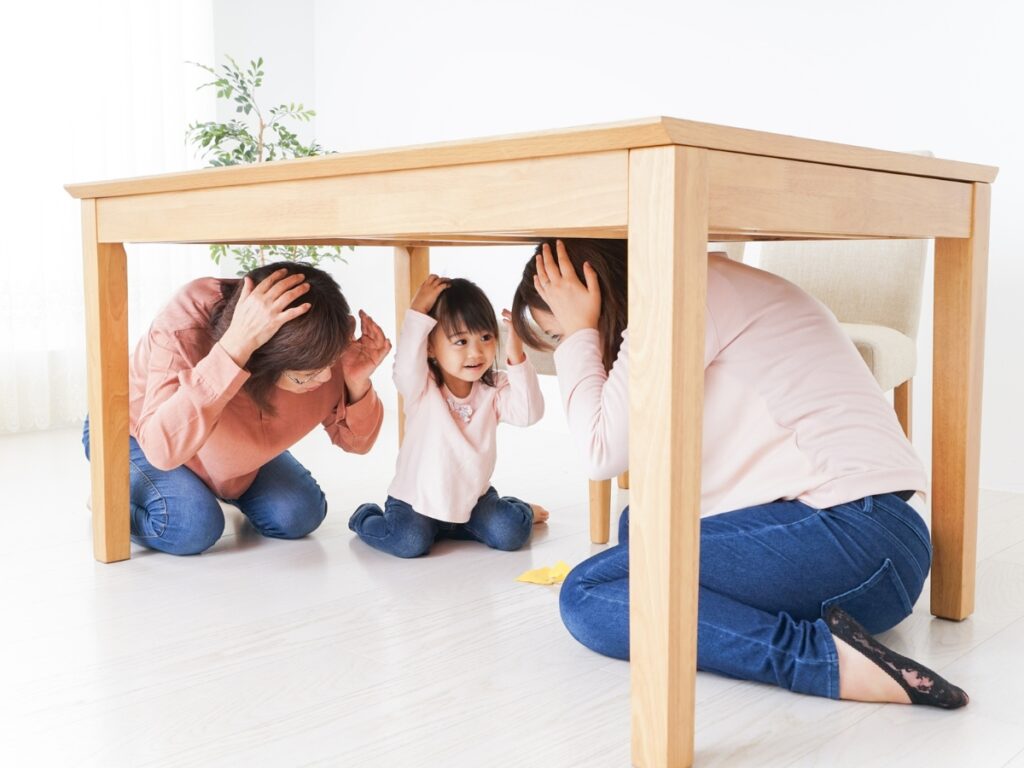
A family emergency plan is only useful if everyone can follow it when stress is high. In a real emergency, people tend to forget details, misplace items, or make decisions based on habit rather than logic. Practicing the plan helps turn it into something familiar, so family members do not have to figure everything out in the moment. It also makes weaknesses easier to spot, such as a meeting place that is not realistic, contact information that is outdated, or supplies that are missing.
Maintenance matters just as much as practice. Families change over time, and so do routines. Schools update procedures, work schedules shift, kids grow into new responsibilities, and moves or renovations change the layout of a home. When the plan stays current, it stays usable. When it is ignored for too long, it becomes a document that looks good but does not help when you actually need it.
How Often Should Families Conduct Emergency Drills And Update Their Plans?
Most families do well with drills at least twice a year. That schedule is frequent enough to keep the plan fresh without making it feel like a constant project. A drill does not have to be intense or frightening. It can be as simple as walking through the steps: where to meet, who calls the out-of-area contact, which exits to use, and where the emergency kit is stored. The purpose is repetition, not perfection.
Plan updates should happen anytime something significant changes. Moving to a new home is an obvious trigger, but other life changes matter too. If a child starts a new school, if a caregiver schedule changes, or if someone in the household develops a new medical need, the plan should be adjusted. Even small updates like new phone numbers, new locks, or a different meeting location should be reviewed together so everyone stays aligned.
It is also smart to review the plan seasonally, since risks can vary depending on the time of year. In some areas, summer brings storms or wildfires, while winter may bring power outages and travel disruptions. A short seasonal review keeps the plan practical and prevents surprises.
What Are Best Practices For Safeguarding Financial Documents And Vital Records?
Protecting vital records is one of the most overlooked parts of a family emergency plan, but it can save time and stress after a crisis. If you need to evacuate quickly or deal with property damage, having access to identification, insurance information, and key financial documents makes recovery much smoother.
Digital backups are a strong starting point. Scan or photograph important documents and store them securely, such as in encrypted storage or a trusted cloud service that uses strong security protections. The goal is to make sure you can access what you need even if physical documents are lost or damaged. Keep the file organization simple so you can find what you need quickly.
Physical copies still matter. Many families keep originals or certified copies in a fireproof and waterproof safe. If you choose this option, place the safe where it is less likely to be exposed to flooding and where it can be accessed quickly. You may also want a small “grab-and-go” folder with the most essential items for fast evacuations, especially if you live in an area where quick departures are common.
An updated emergency contact list is part of document readiness too. Include family contacts, insurance providers, financial institutions, medical providers, and any key service accounts you may need after an emergency. It is worth storing this list digitally and keeping a printed copy in your emergency kit, since phones may not always be available.
How The Core Parts Of A Family Emergency Plan Work Together
A complete family emergency plan is made up of pieces that support one another. The communication plan helps everyone reconnect and share updates when normal channels are disrupted. The emergency kit provides basic supplies that keep the household safer and more comfortable during disruptions. The evacuation strategy gives you a clear next step when staying home is not safe.
Practicing ties everything together. Drills reinforce communication habits, confirm that supplies are accessible, and make evacuation steps feel more straightforward. Maintenance keeps the plan accurate as life changes. When families practice and update their plan consistently, they are more likely to respond calmly, avoid confusion, and make decisions that protect everyone in the household.
Conclusion
Creating a comprehensive family emergency plan is one of the most important steps you can take to protect your loved ones during a crisis. While this guide provides a vital framework, achieving true peace of mind often requires professional insight into risk assessment, secure communication protocols, and tailored preparedness strategies. For expert guidance in developing a robust, actionable plan for your family’s unique needs, contact 4Horsemen Investigation & Security. Don’t wait for an emergency to strike. Call 404-680-0860 or visit our website for a free, confidential consultation today. Let us help you build a foundation of safety and confidence.