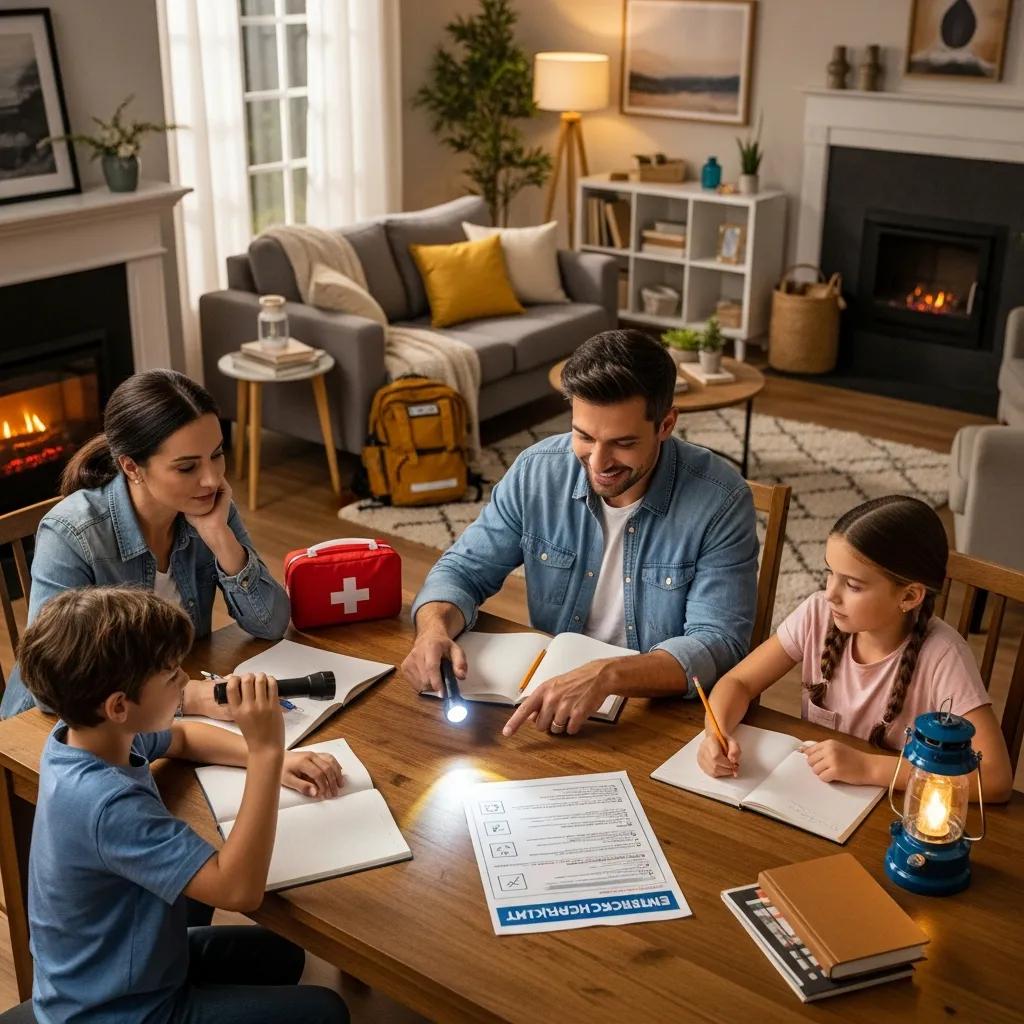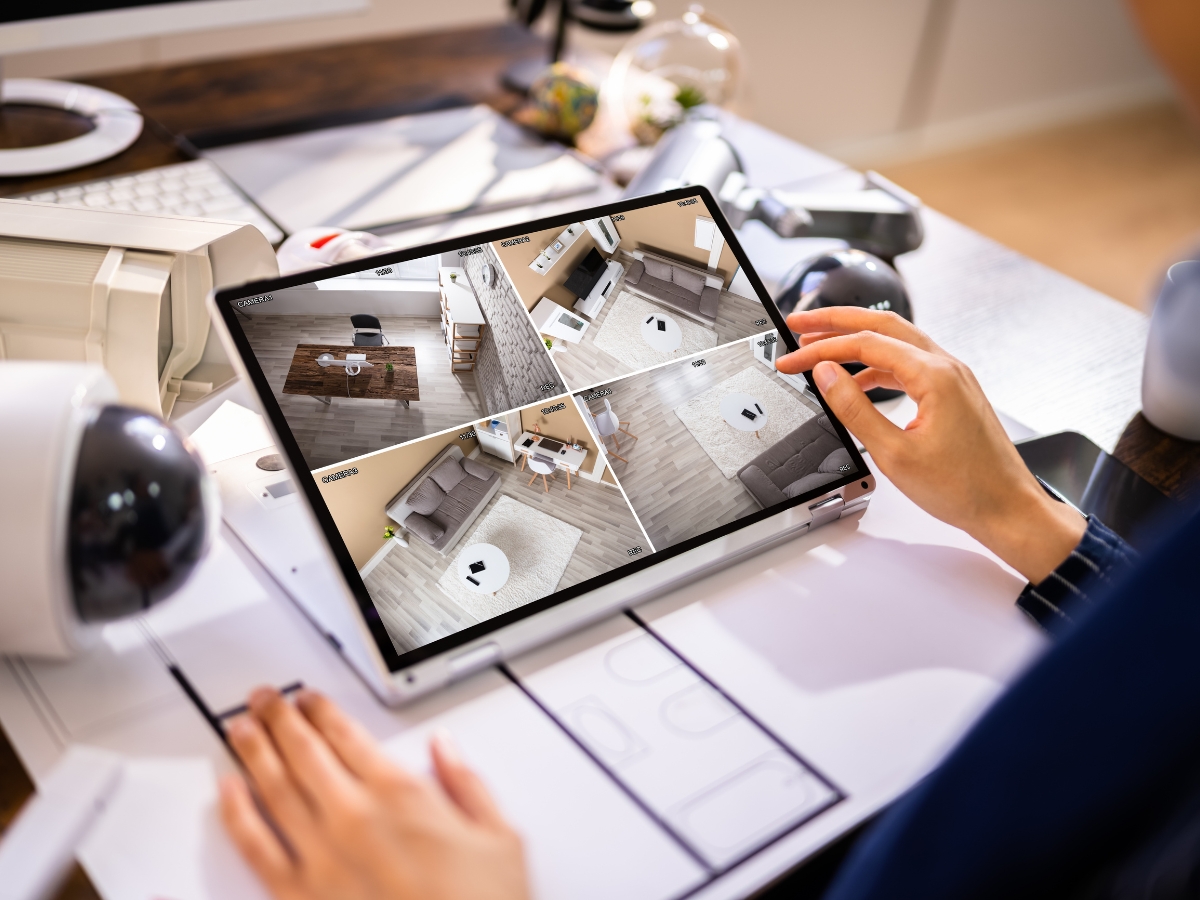
Creating a comprehensive home security checklist is one of the most effective ways to proactively protect your property, deter potential intruders, and ensure the safety of your family and belongings. From reinforcing entry points and installing modern alarm systems to implementing smart lighting and establishing neighborhood watch connections, a layered approach to security addresses both physical vulnerabilities and situational awareness. In this guide, we’ll walk you through an essential, actionable checklist designed to help you assess risks, strengthen defenses, and build a more secure living environment.
Home Security Checklist Every Homeowner Needs Right Now
What Are the Key Exterior Security Measures for Residential Protection?
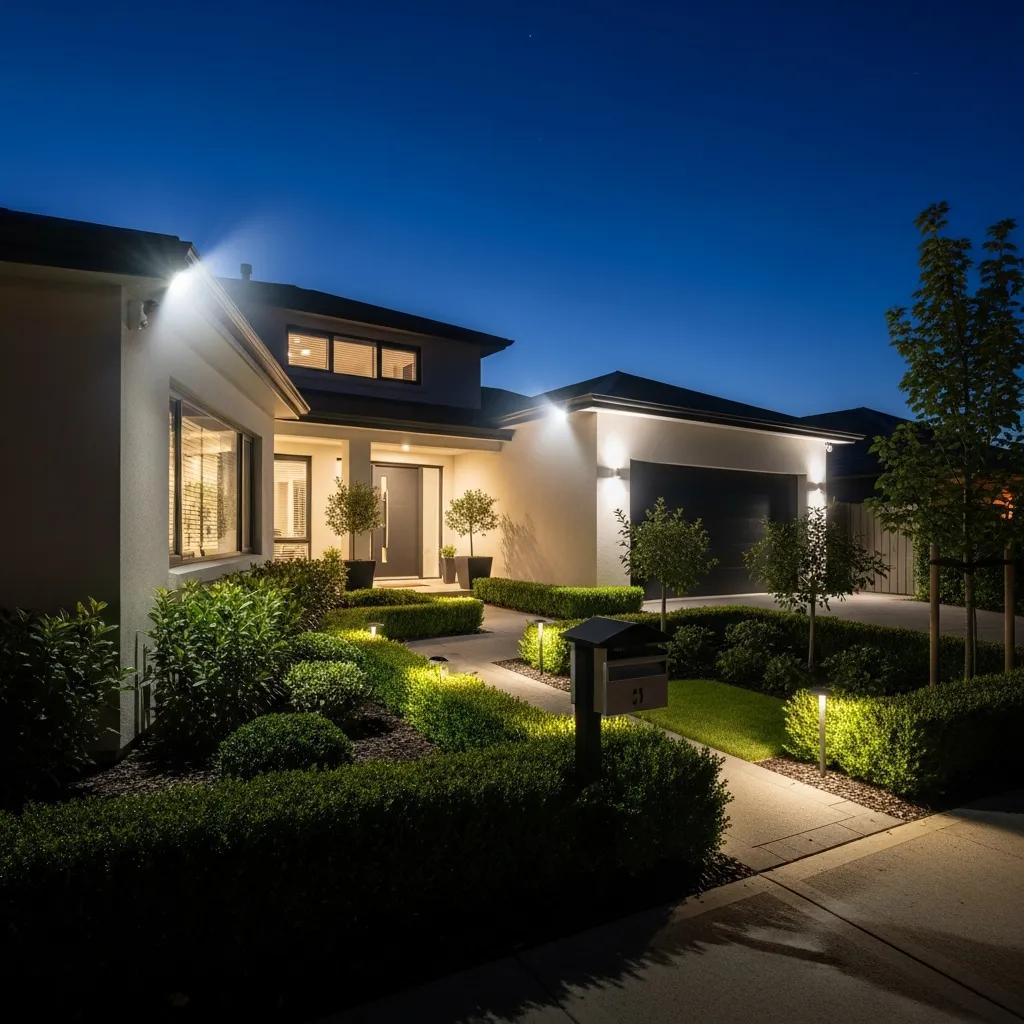
Securing the outside of your home is the first layer of protection in any practical home security checklist. Before you think about cameras or alarms, it helps to look at your doors, windows, garage, and yard the way an intruder might. The goal is simple: make it harder to get in, easier to be seen, and less appealing for anyone looking for an easy target. When you combine solid physical barriers with smart lighting and thoughtful landscaping, you create a property that is both welcoming for guests and difficult for burglars to approach unnoticed.
How Can You Secure Doors, Windows, and Garages Effectively?
When you build a practical home security checklist, the first place to focus is on the main entry points. Most break-ins still happen through a door or window, so strengthening those areas immediately improves your overall protection. The goal is not to turn your house into a fortress, but to make it difficult enough to enter that an intruder decides it is not worth the effort.
Start with the exterior doors you use every day. They should be solid core or metal, fitted with quality deadbolts that fully extend into the frame. Many homes have decent locks but weak frames, so it is worth reinforcing the strike plate area with longer screws that reach into the wall framing, not just the trim. This small upgrade makes it much harder for someone to kick a door in. If you have glass panels near the handle, consider a double cylinder deadbolt where allowed by code or a secondary lock placed far enough from the glass that it cannot be reached if a panel is broken.
Door hardware is only as strong as the structure around it, so look at hinges and side lights as part of the same system. Exterior hinges should have non-removable pins, especially on doors that open outward. On older homes, replacing worn hinges and weathered frames can tighten the fit of the door and remove gaps that make prying easier. Adding a viewer or smart doorbell at main entries also helps you see who is outside before you unlock anything, which is an important but often overlooked part of a home security checklist.
Windows deserve the same level of attention. Factory latches on many standard windows are meant for basic closure, not serious security. Adding secondary locks, sash pins, or keyed locks can keep a window from being forced open from the outside. In rooms where privacy and security matter most, applying security film to the glass can slow down attempts to break it, which buys time and creates noise. Pay special attention to basement and ground floor windows that sit behind shrubs or fences, since those hidden areas are more appealing to intruders.
Garages are another common weak spot. The main overhead door should close fully, seal against the ground, and be difficult to lift from the outside. If you use an automatic opener, disable any easy to reach emergency release handles or shield them so they cannot be pulled with a hook from outside. Side doors into the garage should be treated like any other exterior door, with a solid core and a proper deadbolt. The interior door from the garage into the house also belongs on your home security checklist, since it is effectively an exterior door once someone gets into the garage.
Taken together, these upgrades turn doors, windows, and garage entries into a coordinated barrier rather than a patchwork of weak points. When you review your home security checklist each year, revisiting these areas, checking hardware, and making small adjustments can go a long way toward keeping your home less attractive to intruders and more secure for the people living in it.
What Role Do Outdoor Lighting and Landscaping Play in Deterring Intruders?
Lighting and landscaping shape how safe your home feels and how exposed a potential intruder would be. Good exterior lighting does not mean flooding the entire yard with harsh light. Instead, focus on key zones. Entry doors, garage doors, side yards, and any secluded paths should have reliable fixtures that make it easy to see who is approaching. Motion-activated lights work well around corners and in areas that do not need to be lit all night, since sudden light often deters people who do not want to be noticed.
Landscaping is another important part of a realistic home security checklist. Overgrown shrubs, dense hedges, and low tree branches can create hiding spots near windows and doors. Keeping plants trimmed back so you have clear sightlines from the street and from inside the house makes it harder for someone to move around unseen. At the same time, thoughtful planting can guide people toward lit walkways and away from side yards or dark corners.
When you put all of these pieces together, you get more than a list of tasks. You create an exterior that works quietly in your favor every day: sturdy doors and windows that resist forced entry, a garage that is not an easy shortcut into the house, and a yard that is bright enough and open enough to discourage anyone who should not be there.
How Do Interior Safety Practices Enhance Home Security?
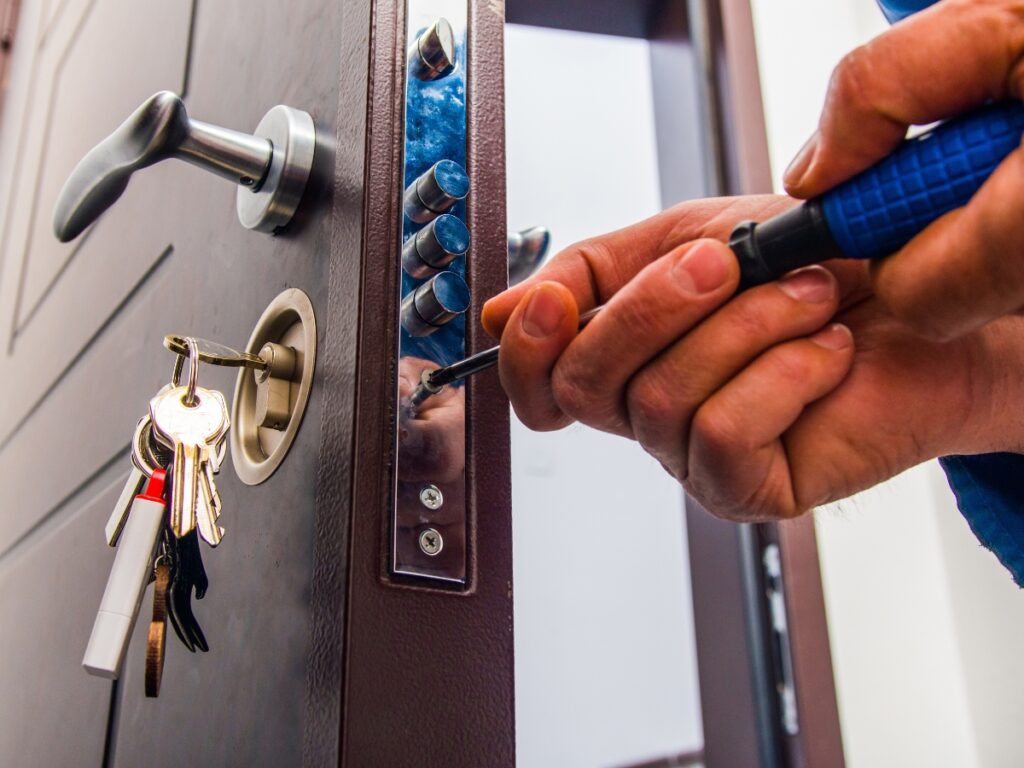
Interior safety practices are just as important as locks and lighting outside. Even if your doors and windows are secure, small oversights inside the home can leave gaps that determined intruders or opportunistic thieves can exploit. Treating your daily routines and interior setup as part of a thoughtful home security checklist helps protect not only your belongings, but also your privacy and personal information.
Start by thinking about how you use alarm systems and smart devices. Many people invest in security systems but forget to arm them during the day, share codes too freely, or reuse easy-to-guess PINs. Create household routines that include arming the system whenever you leave, even for a quick errand, and use unique codes for trusted family members instead of a single shared code. Avoid labeling key fobs or written notes with your address or full name, since those details can make it easier for someone to connect keys or access codes back to your home.
Valuables and sensitive documents deserve extra attention inside any home security checklist. Jewelry that lives on a dresser, laptops left near ground-floor windows, and important papers stacked in open view all increase risk if someone gains entry. A small, well-anchored safe or lockable cabinet is often enough for passports, financial documents, spare keys, and backup drives. For electronics, get in the habit of storing laptops, tablets, and cameras away from windows when you are not using them, and enable device tracking and strong passwords so stolen items are harder to access or resell.
Lighting and visibility inside your home also play a role in security. At night, leaving one or two interior lights on timers can make the home look occupied without wasting energy. In rooms visible from the street, use curtains or shades in the evening so outsiders cannot easily see your layout, valuables, or daily patterns. Simple measures like keeping entry hallways and stairwells well-lit reduce tripping hazards and make it easier to notice unfamiliar activity if you hear a noise.
Digital habits now sit firmly inside any modern home security checklist. Avoid sharing travel plans or real-time location updates on public social media, especially if your profile includes your city or photos of your house. Be cautious about letting delivery drivers or casual visitors see where you store spare keys, alarm panels, or home office setups. When you bring in new smart devices, change default passwords and update firmware so they are less vulnerable to unauthorized access.
Finally, communication within the household ties these interior safety practices together. Make sure everyone knows how to lock doors properly, arm and disarm the alarm without sharing codes outside the family, and respond if a smoke alarm or carbon monoxide detector sounds. Walk through what to do if someone knocks late at night, how to verify service workers before opening the door, and where emergency numbers and flashlights are kept. When everyone understands their part, interior safety becomes a shared routine rather than a list of rules.
By combining thoughtful interior habits with your existing exterior measures, you turn your home into a layered system of protection instead of relying on a single lock or device. Over time, these practices become second nature, improving your everyday comfort while quietly raising the level of security throughout your home.
What Are Best Practices for Protecting Valuables and Sensitive Data?
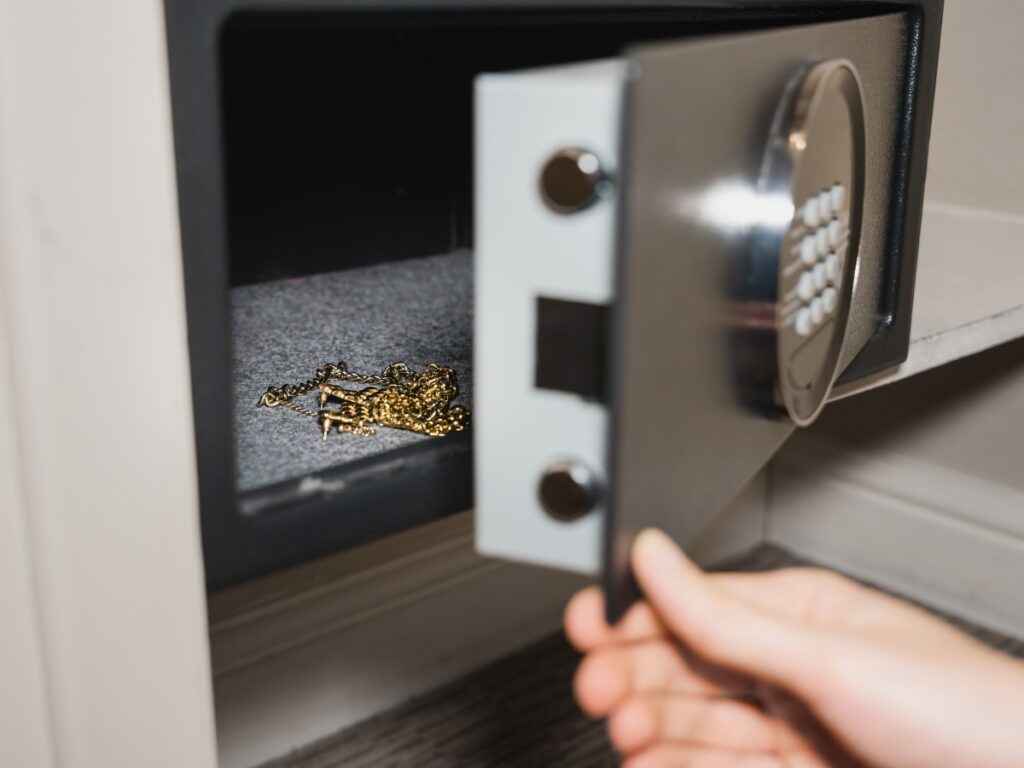
Protecting what matters most inside your home is just as important as securing doors and windows. A thoughtful home security checklist should include clear steps for safeguarding jewelry, heirlooms, important paperwork, and digital information, not just the building itself. When you treat valuables and sensitive data as part of your overall security plan, you reduce the impact of a break-in and make it harder for anyone to misuse what they find.
A good starting point is to remove temptation. Items that are easy to grab, like watches, tablets, small electronics, and cash, should not be left in plain sight on nightstands or near entry doors. Instead, get in the habit of keeping those belongings in less obvious spots or inside a dedicated storage area. This simple shift makes a quick burglary less rewarding and gives you more control over where high-value items live in your home.
For truly important belongings, a quality safe is worth considering. Look for a model that is both fire-resistant and designed to slow down forced entry, and have it anchored so it cannot be carried out of the house. Passports, birth certificates, titles, backup hard drives, small collections, and emergency cash are all good candidates for secure storage. When you review your home security checklist, think about which items you would be most devastated to lose and make sure they have a permanent place inside that safe.
Paper records still matter, even in a digital world. Financial statements, tax records, medical information, and legal documents should not be left in open file boxes or stacked on a desk near a window. Lockable file cabinets or drawers create a basic layer of protection that slows casual snooping and keeps sensitive data away from visitors, contractors, or anyone else who might be in your home. Shredding outdated documents that contain personal information is just as important as storing current paperwork, since discarded mail and records can be a source of identity theft.
Digital security belongs on your home security checklist as well. Laptops and tablets used for banking, work, or school should be password-protected, encrypted when possible, and set to require a login after short periods of inactivity. Turn on device tracking and remote wipe features so that, if something is stolen, you have a chance to locate it or at least protect the data. Storing backups in your safe or in a reputable cloud service helps you recover more quickly if a device is lost.
It also helps to keep a current inventory of your valuables. This does not have to be complicated. A simple list with photos, serial numbers where available, and approximate values stored in both printed and digital form is usually enough. In the event of a burglary, fire, or other loss, that record makes dealing with insurance much easier and gives you a clear picture of what is missing. Updating this list once or twice a year, or whenever you make a major purchase, keeps it accurate without becoming a chore.
Finally, remember that habits matter as much as hardware. Make a routine of locking away important items at the end of the day, closing interior doors to rooms that hold valuables when you are not home, and limiting who knows where documents, safes, and backups are stored. When these practices become part of your normal rhythm, they quietly strengthen your overall security and make your home a harder target, even if someone does manage to get inside.
How Can Smart Home Security Devices Improve Residential Safety?
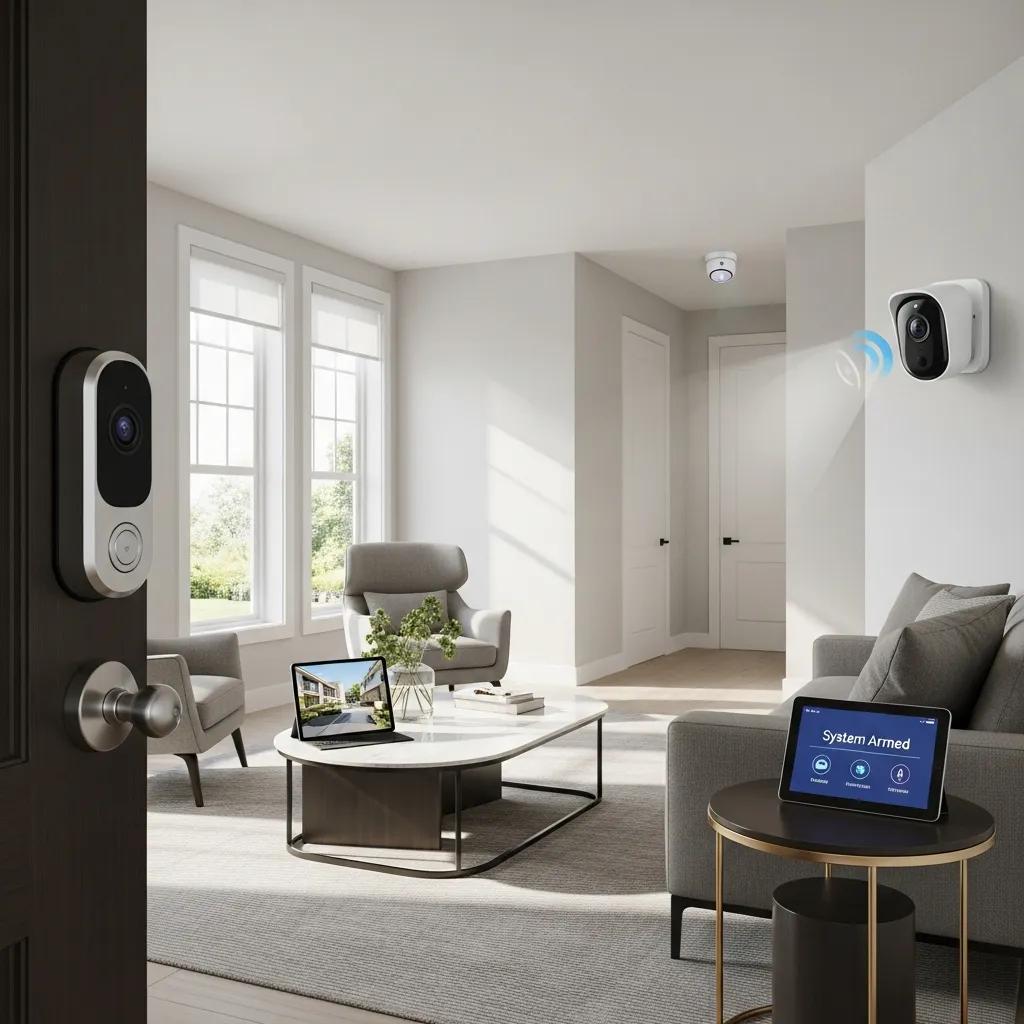
Smart home technology has made it easier to build a practical, layered home security checklist that fits real life. Instead of relying only on locks and porch lights, you can now combine cameras, smart locks, sensors, and alarms that work together and send updates straight to your phone. Used well, these devices give you better awareness of what is happening around your property and help you respond quickly when something is off.
Security cameras are often the first tool homeowners think of, and for good reason. Modern cameras can stream live footage, record clips when motion is detected, and send instant alerts if someone approaches your front door or moves around a side yard. Placing cameras near main entry points, the driveway, and any low, hidden windows gives you a clear view of the most vulnerable areas. When you review your home security checklist, think about how cameras can cover blind spots and provide evidence if a problem does occur.
Smart locks add another layer of control. Instead of hiding spare keys outside, you can issue temporary codes for guests, dog walkers, or contractors and remove them when they are no longer needed. Many smart locks integrate with phone apps, so you can check whether a door is locked and secure it remotely if you forgot on your way out. This reduces the risk that a door is left unsecured and makes it easier to maintain consistent locking habits for the entire household.
Connected alarm systems bring these elements together. A well-configured alarm system can monitor doors, windows, motion sensors, and sometimes smoke or carbon monoxide detectors. If a sensor is triggered, the system can sound a siren, send a notification, and, in some cases, contact a monitoring service. Even if you choose a self-monitored setup, having clear alerts on your phone helps you act quickly, whether that means checking a camera feed, calling a neighbor, or contacting authorities.
Smart lighting is another useful piece of equipment that belongs on a modern home security checklist. Timers and app-controlled lights can make a home look occupied when you are away, and motion-activated fixtures near entrances discourage someone from lingering in the dark. When combined with cameras and sensors, lighting can highlight movement and make recorded footage clearer and more useful.
It is also important to pay attention to how these devices connect and share information. Use strong, unique passwords for each account, enable two-factor authentication where possible, and keep device firmware updated. Good digital habits reduce the risk that someone could tamper with your system remotely. Taking a few minutes to review privacy settings and access permissions helps you control who can see camera feeds or unlock doors.
Finally, smart home devices work best when they support, rather than replace, basic physical security. Solid exterior doors, reliable locks, trimmed landscaping, and good outdoor lighting still matter. Smart technology simply gives you better visibility and faster responses. When you treat these tools as part of a thoughtful home security checklist, rather than gadgets you set and forget, they can significantly improve residential safety and give you more peace of mind day to day.
Why Are Security Habits and Professional Assessments Crucial for Property Protection?
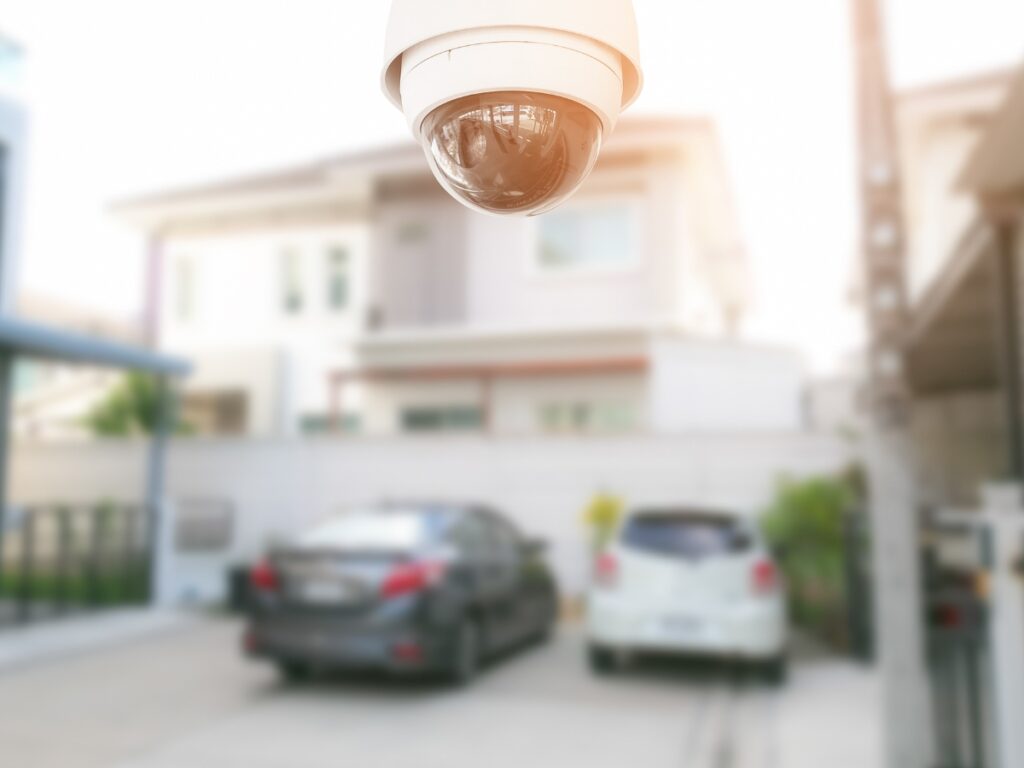
Strong locks and good hardware matter, but the way you use them day after day often has a bigger impact on safety. A practical home security checklist is not just a list you print once and forget. It is a set of habits you repeat until they become automatic. When you pair those habits with occasional help from a professional, you get a system that is harder to bypass and easier to maintain over time.
Regular reviews of your doors, windows, lighting, and alarm settings help you spot gaps that might have crept in as your routines changed. Maybe a side door is used more often now, a new window does not have a lock, or shrubs have grown tall enough to hide someone near an entry. Taking time a few times a year to walk around your home with a simple home security checklist keeps you aware of these small shifts before they turn into real vulnerabilities.
Professional assessments add another layer. A trained technician or security consultant looks at your property with a fresh set of eyes and current best practices in mind. They may notice weak door frames, outdated locks, poor camera angles, or dark corners you have learned to ignore because you see them every day. Many providers also know local crime trends and can suggest upgrades that match the risks in your area instead of selling you a generic package.
What Daily Routines Strengthen Home Security?
Daily routines are where a home security checklist becomes real. The basics still matter. Make a habit of checking that all doors and accessible windows are locked before you leave the house and again before bed. It helps to follow the same path each time, such as moving room to room in one direction, so you are less likely to forget a back door, sliding door, or garage entry.
Your alarm or smart security system should be part of that routine, not something you only arm on vacation. Set a rule for yourself and your family that the system is activated whenever the house is empty, even for short trips. If you work from home or come and go often, use app controls or simplified modes so arming and disarming does not feel like a hassle.
Deliveries deserve attention as well. Packages left on porches can invite both theft and extra attention to your property. When possible, use delivery instructions, lockers, or alternate pickup locations, and consider camera coverage at the main entry. Coordinating with a neighbor you trust can also reduce the time boxes sit outside in plain view.
It is also smart to treat your digital behavior as part of your home security checklist. Avoid posting real-time travel plans or location tags that advertise an empty house. Be cautious about who knows your daily schedule, and limit how many people have keys or door codes. When someone no longer needs access, update codes promptly.
Finally, combine these habits with periodic professional assessments. After you have built consistent routines, a security expert can help you refine them, suggest simple hardware upgrades, and confirm that your efforts match the actual risks around your home. Together, everyday habits and periodic evaluations create a practical, realistic approach to property protection that most households can maintain over the long term.
Why Security Habits and Expert Assessments Strengthen Home Protection
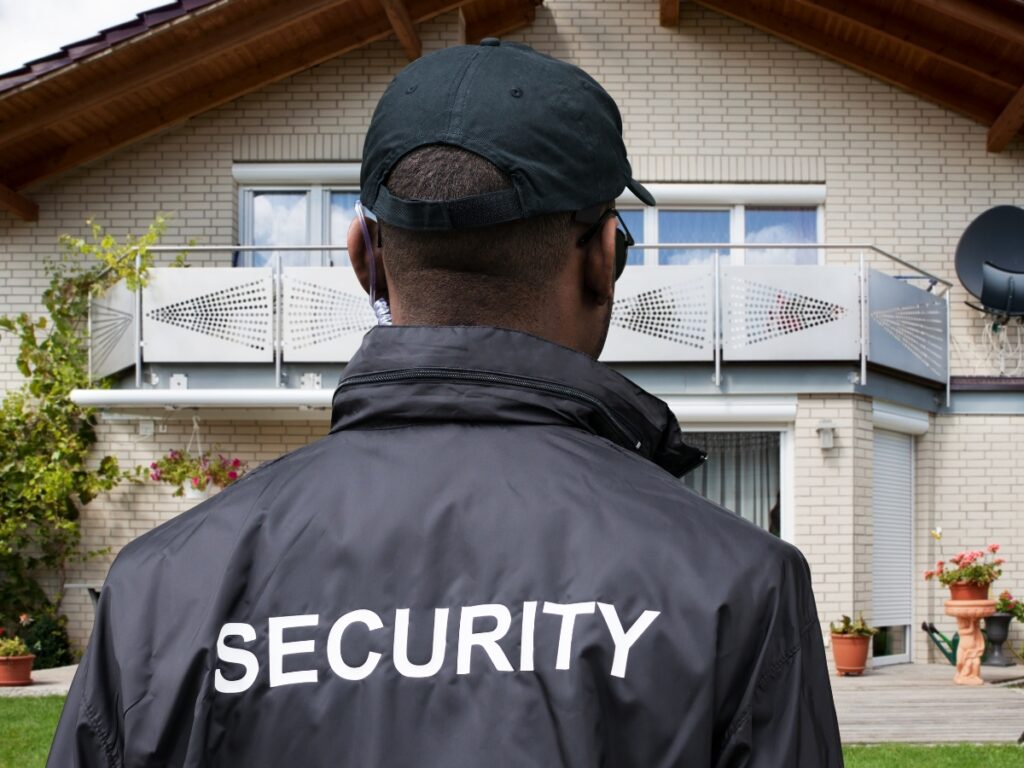
A solid home security checklist covers a lot of ground, but there are times when an outside perspective makes all the difference. That is where a professional security threat assessment comes in. Instead of guessing where your weak spots might be, you get a structured review of how your property actually holds up against common risks.
During an assessment, a security professional walks through your home much the way a determined intruder might. They look carefully at exterior doors, window locks, and garage access, then move on to sightlines, fencing, and how easy it would be for someone to approach without being noticed. Landscaping and lighting are part of this picture too. Overgrown shrubs, dark side yards, and hidden back entries are common issues that a homeowner may stop noticing in day-to-day life but which stand out immediately to an experienced assessor.
Your existing technology is also reviewed against a practical home security checklist. That includes placement and coverage of cameras, whether motion sensor lights are aimed and timed well, and how your alarm or smart home system is configured. Sometimes the hardware is fine, but settings or locations mean it is not doing as much as it could. A good assessment will point this out and offer clear, specific fixes rather than vague suggestions.
From there, you receive recommendations that match how you actually live in the home. Instead of a generic list of gadgets, you should expect a prioritized plan that starts with simple, high-impact steps. For one household, that might mean reinforcing a vulnerable back door and improving lighting around the driveway. For another, it could be adjusting camera angles, adding window locks on a ground-floor bedroom, and tightening up routines for arming the system at night. The best assessments respect your budget and focus on changes that genuinely reduce risk.
Many providers can also help with implementation. That might include installing new deadbolts, adjusting motion lights, adding or relocating cameras, or helping you configure app-based alerts so they are useful rather than overwhelming. Even if you choose to do some of the work yourself, having a written plan tied to a professional review makes your home security checklist far more actionable.
The table below gives a simple snapshot of common measures that often appear in these recommendations and how they perform in practice.
| Security Measure | Description | Effectiveness |
|---|---|---|
| Deadbolts | High quality locks on exterior doors | High |
| Motion Sensor Lights | Lights that activate with movement | High |
| Security Cameras | Cameras that monitor key areas | High |
| Smart Locks | Locks controlled and monitored by phone | High |
Bringing these pieces together, a professional threat assessment turns a basic home security checklist into a tailored plan for your property. When you combine that expert review with everyday habits like locking doors, managing deliveries, and using your alarm consistently, you create a layered defense that makes your home a much harder target without turning it into a fortress.
Conclusion
A proactive home security checklist is your first line of defense in creating a safe haven for your family and protecting your valuable property. While implementing physical safeguards like lighting and locks is crucial, partnering with a professional security firm provides a comprehensive layer of protection that deters and responds to threats. For a personalized assessment and robust security solutions tailored to your Atlanta home, contact 4Horsemen Investigation & Security. Don’t wait for a security breach to take action. Call 404-680-0860 or visit our website for a free, confidential consultation today. Let us help you build the peace of mind you deserve.