GPS tracking technology has revolutionized the fields of investigations and asset recovery, providing a discreet, highly accurate method for monitoring movement, establishing patterns, and locating stolen or missing property. When used legally and ethically by licensed professionals, these devices offer critical real-time data that can substantiate infidelity cases, support legal proceedings, or track down valuable assets. This guide explores how GPS tracking is applied in investigations and recovery efforts, detailing its capabilities, the legal framework governing its use, and the significant advantages it provides in building a compelling case.
How GPS Tracking for Investigations & Asset Recovery Works
How Does GPS Tracking Enhance Private Investigations?
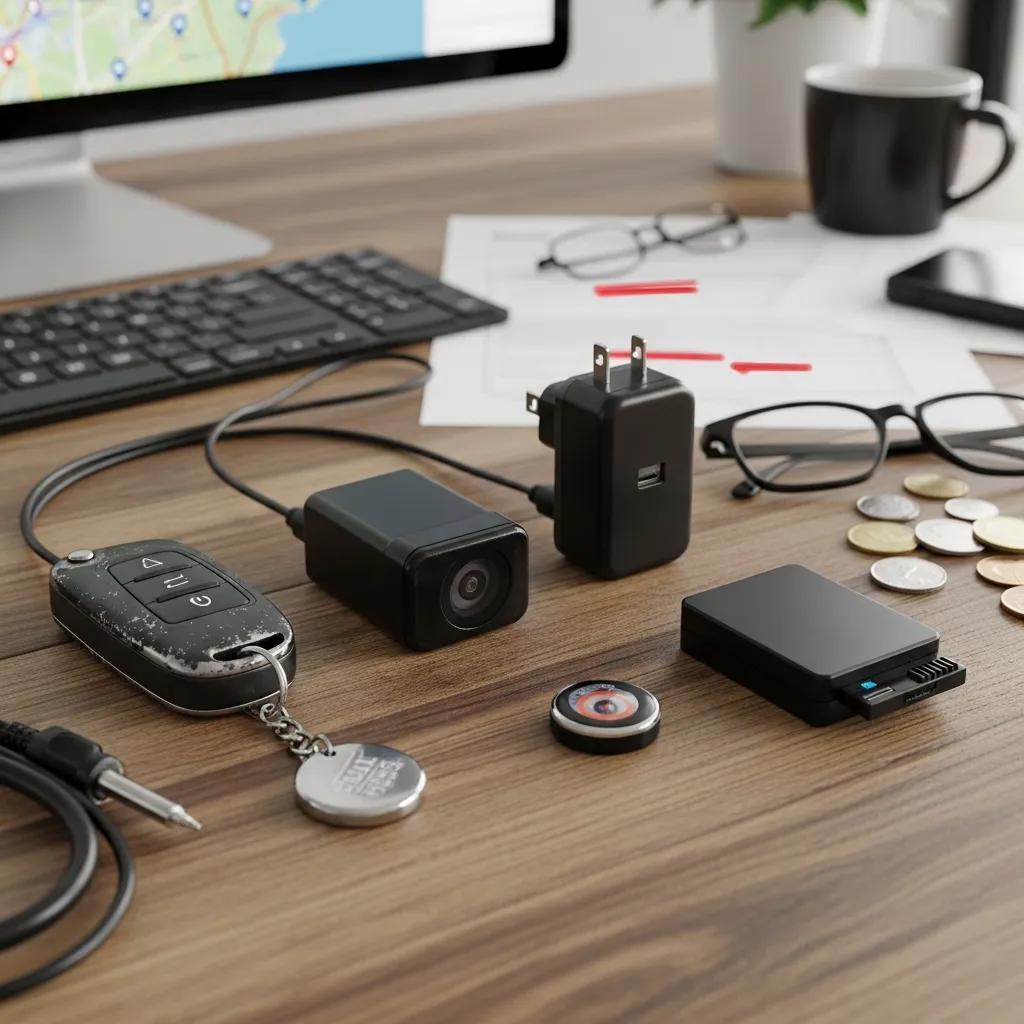
GPS tracking can be a powerful tool in private investigations because it helps establish patterns and timelines with more accuracy than relying on memory, visual observation alone, or inconsistent third-party information. When used appropriately, GPS tracking provides location data that can clarify where a subject has been, how long they stayed, and whether their movements match the claims being investigated. For investigators, that kind of objective information can reduce guesswork and help focus time and resources on the moments that matter most.
One of the biggest advantages is efficiency. Traditional surveillance often requires long hours in the field, and even experienced investigators can lose visual contact due to traffic, weather, or environmental obstacles. GPS tracking can help reduce those gaps by providing location updates that support better planning. It can also help confirm whether continued surveillance is necessary. If the data shows routine, predictable movement with no relevant activity, an investigator may be able to shift attention to other case needs rather than spending unnecessary time on low-value observation.
GPS tracking can also strengthen evidence collection by supporting clearer documentation. Instead of relying on general statements like “the subject traveled across town,” investigators can build a more specific timeline based on where the subject went and when. That timeline can then be paired with other forms of evidence, such as photos, video, witness statements, or records, to create a fuller picture. In many cases, location data is most useful when it supports corroboration. It helps confirm that other evidence aligns with real movement patterns, which can make findings more credible.
Another benefit is discretion. When location tracking is done lawfully, it can reduce the need for constant close-proximity surveillance, which lowers the chance of being noticed. It can also help investigators maintain safe distance and avoid decisions that might escalate risk in the field. For cases where verifying movement is the primary objective, GPS tracking can support a less intrusive, more controlled investigative approach.
It is important to note that the legal rules around GPS tracking vary by location and by the relationship to the vehicle or device being tracked. Responsible investigations treat legal compliance as part of the process, not an afterthought. When GPS tracking is used within appropriate boundaries, it can improve accuracy, strengthen documentation, and support more effective case work overall.
What Are The Benefits Of Real-Time GPS Surveillance For Investigators?
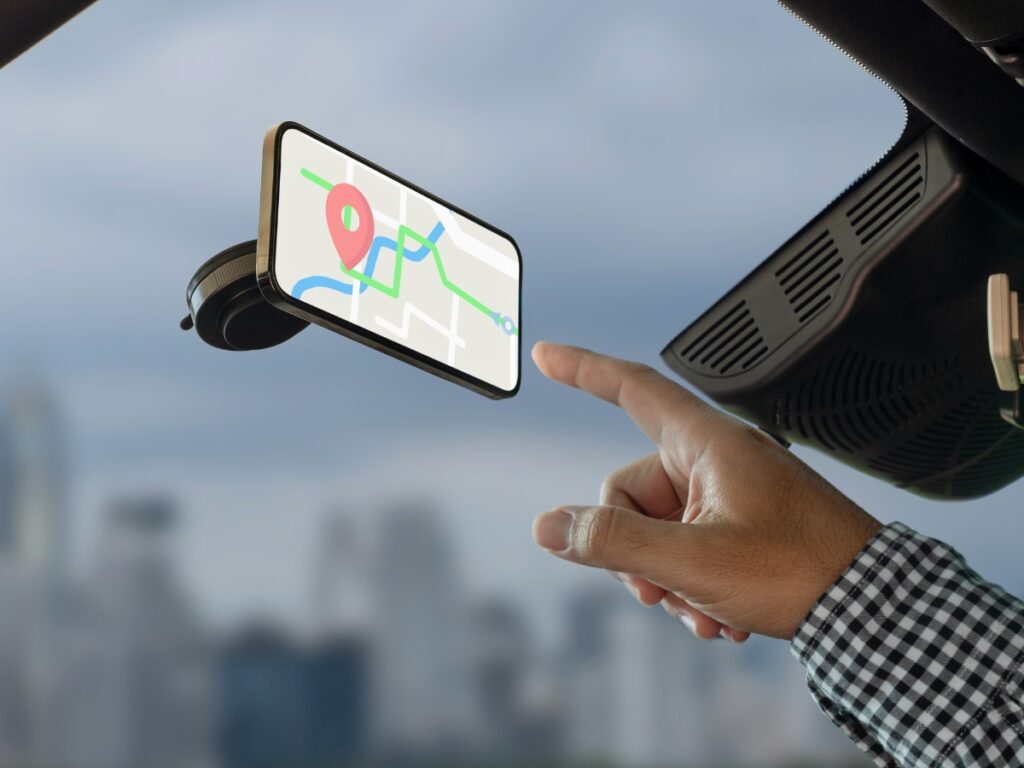
Real-time GPS surveillance offers several key benefits for investigators:
Immediate Location Data Supports Faster Decisions
Real-time GPS surveillance helps investigators make decisions based on what is happening right now, not what they think might be happening. When GPS tracking is available, an investigator can see movement as it occurs, which is useful when a subject changes routes, makes unexpected stops, or leaves a location quickly. Instead of spending time guessing where someone went or trying to regain visual contact after a gap, the investigator can respond with better timing and less wasted effort. That often means repositioning sooner, deciding whether continued surveillance is necessary, or shifting attention to another part of the case.
This is also where GPS tracking can reduce the strain of extended surveillance. Not every hour in the field produces useful results, and immediate location data can help prioritize the times and places most likely to matter. When used lawfully, GPS tracking can support a more controlled approach that focuses on relevant activity rather than nonstop observation.
GPS Data Can Strengthen Evidence Collection And Documentation
Another major advantage of GPS tracking is that it supports clearer documentation. Many investigations require a timeline that explains where a subject traveled, how long they stayed in certain places, and whether their behavior aligns with specific claims or concerns. Real-time GPS data can help create a more precise record of movement, which is often more reliable than memory or general observations alone.
GPS data is usually most valuable when it supports other evidence. It can reinforce photos, video, witness statements, or records by showing that the timing and location match. In legal or formal settings, that consistency can matter. It helps reduce ambiguity and makes it easier to explain findings in a way that feels grounded in facts rather than assumptions.
Efficiency Improves Case Resolution Times
Real-time GPS surveillance can shorten case timelines by helping investigators use their time and resources more effectively. When tracking shows routine patterns with no meaningful activity, investigators may be able to reduce unnecessary field hours. When tracking shows a higher-value movement pattern, it can help narrow in on the best windows for observation. That focused approach often leads to faster answers, fewer dead ends, and more efficient case progression.
This is one reason GPS tracking is often treated as a support tool rather than a replacement for other methods. It helps direct attention toward the moments that are most likely to produce relevant information, which can speed up resolution without sacrificing quality.
Real-Time Tracking Can Improve Discretion And Safety
In some cases, close-proximity surveillance increases the risk of being noticed, especially in high-traffic areas or places with limited exits. Real-time GPS tracking, when used legally, can reduce the need for constant tailing and help an investigator maintain a safer distance. It can also lower the chances of making risky moves to keep visual contact, such as aggressive lane changes or quick turns.
Because rules around GPS tracking vary by location and situation, investigators need to follow applicable laws and professional standards. When used within proper boundaries, GPS tracking supports faster decisions, stronger documentation, and a safer, more efficient investigative process.
How Do Covert GPS Trackers Support Discreet Investigations?
Covert GPS trackers can support discreet investigations by reducing the need for constant, close-range surveillance. When investigators can document movement patterns through GPS tracking, they may spend less time following a subject in person, which lowers the chance of being noticed and helps keep an investigation controlled. In many cases, the value is not just knowing where someone is in the moment, but building an accurate timeline that shows routine, frequency of visits, and how long stops last. That kind of documentation can help confirm or rule out claims faster than relying on observation alone.
Discretion matters because traditional surveillance has limits. Traffic, parking constraints, and visibility all increase the risk of losing contact or being detected. Covert tracking tools, when used lawfully, can reduce those gaps and help investigators focus field work on the moments most likely to produce relevant results. It is important to keep the purpose clear. GPS tracking is typically most useful as a supporting tool, paired with other evidence sources like photos, video, records, or interviews, rather than treated as the only source of truth.
What Makes Covert GPS Tracking Useful In Real Investigations?

The main benefit of covert GPS tracking is that it provides consistent data in situations where visual surveillance is difficult or impractical. For example, if a subject’s schedule changes often or involves multiple short stops, tracking can help establish patterns that would be easy to miss in person. It can also help an investigator decide when observation is necessary and when it is not, which makes the overall process more efficient.
Covert devices are designed to be unobtrusive, but that does not automatically make them appropriate for every case. Investigators have to weigh whether tracking data is actually relevant to the questions being asked. In many investigations, the key issue is behavior, not location. In those cases, GPS tracking is most helpful when it supports broader documentation rather than replacing it.
When Is Discretion Especially Important?
Discretion tends to matter most in sensitive matters where subjects may change behavior if they feel monitored. Relationship-related investigations are one example, although the legality of tracking in those situations varies widely and often depends on ownership, consent, and local privacy laws. Discretion is also important in workplace and asset-related cases, such as verifying the use of company-owned vehicles or equipment, or documenting movement tied to time-and-attendance concerns. In these scenarios, GPS tracking may be used to support a clearer timeline and reduce disputes about what occurred.
Even in legitimate situations, investigators should be cautious about scope. The goal should be to collect only what is relevant, for a defined purpose, and for an appropriate time window. That approach reduces risk and keeps the investigation focused.
What Legal And Ethical Boundaries Should Be Considered?
The most important point about covert GPS tracking is that legality is not universal. Rules vary by state and country, and they may depend on whether the person using the tracker owns the vehicle or property, has consent, or is operating under a specific legal authority. In many places, tracking a vehicle you do not own, or tracking someone without proper permission, can create serious legal problems. Because of that, professional investigators typically treat legal compliance as part of the investigative process, not a detail to address later.
Ethically, GPS tracking should be used with restraint. Location data can be highly sensitive, so it should be handled securely and shared only with authorized parties. When GPS tracking is used within legal boundaries, it can strengthen documentation, improve efficiency, and support discreet investigations. When it is used carelessly, it can undermine the entire case.
Ultimately, covert GPS trackers can be effective, but only when GPS tracking is applied responsibly, with clear purpose, lawful authority, and appropriate limits.
What Are the Key Applications of GPS Tracking in Asset Recovery?

Asset recovery is often a race against time. The longer a vehicle or piece of equipment is missing, the more likely it is to be moved, dismantled, or sold. That is where GPS tracking can make a practical difference. When location data is available quickly, investigators and owners can narrow the search, document movement patterns, and support faster coordination with the right parties.
In asset recovery work, GPS tracking is commonly used in three situations. The first is stolen vehicle recovery, where knowing the last known location and recent movement can help reduce delays. The second is tracking high-value equipment, which is especially relevant for businesses that rely on tools, trailers, or jobsite machinery that is frequently transported. The third is broader corporate asset monitoring, where companies want visibility into fleet vehicles and mobile assets to reduce loss, misuse, or unauthorized movement.
What makes these applications effective is not just the ability to “see a dot on a map.” It is the ability to create a clearer timeline. Investigators can often learn when an asset moved, how long it stayed in one place, and whether a pattern suggests storage, transport, or repeated site visits. That information can help guide next steps and prevent wasted time searching in the wrong area.
How Is GPS Used For Stolen Vehicle Recovery?
Stolen vehicle recovery is one of the most familiar uses of GPS technology because vehicles are mobile and can disappear quickly. When a vehicle has an active tracking system, location information can help establish where it is now, where it has been recently, and whether it is still moving. That can be useful when a vehicle is relocated multiple times in a short window, or when it is taken to a location that does not match the owner’s routine.
In many cases, GPS tracking supports quicker decision-making. Instead of relying only on witness reports or guesswork about likely destinations, an investigator can focus on confirming a current location and documenting changes. This can also reduce the amount of time spent attempting visual surveillance in areas where the vehicle may no longer be present.
It is important to keep expectations realistic. GPS data is typically one part of a recovery effort, not the entire solution. Recovery outcomes can depend on factors like how quickly the theft is discovered, whether tracking remains active, and how information is shared with the appropriate authorities.
How Does GPS Tracking Help Monitor High-Value Equipment And Corporate Assets?
For businesses, high-value equipment is often moved between sites, stored outdoors, or left in locations with limited oversight. That makes it vulnerable to theft and difficult to locate quickly when something goes missing. GPS tracking helps by creating visibility into where equipment is, when it moves, and whether that movement matches expected use.
Corporate asset monitoring can also support operational clarity. When companies have location and movement records for fleet vehicles, trailers, and mobile equipment, they can reduce confusion around who had the asset last, where it was parked, and when it left a jobsite. In recovery scenarios, that documentation can help narrow the timeline and reduce the number of possible locations to check.
A practical benefit is prevention as well. When assets are trackable and movement patterns are easier to verify, it can reduce unauthorized use and improve accountability, especially for items that change hands between teams or locations.
What Legal And Process Considerations Matter In Asset Recovery?
Using GPS data responsibly matters, especially when multiple parties are involved. Laws around tracking and access to location data can vary based on jurisdiction, ownership, consent, and the type of device being tracked. In many cases, the safest path is to ensure GPS tracking is tied to an asset you own or are authorized to monitor, and that any recovery actions are coordinated through proper channels.
From a process standpoint, GPS tracking works best when there is a clear plan for what happens after a location is identified. That includes documenting timelines, preserving relevant records, and coordinating next steps with the appropriate decision-makers. When GPS information is used with clear purpose and lawful authority, it can be one of the most effective tools available for locating and recovering valuable assets.has proven to be highly effective.
Which Asset Tracking Devices Are Best For High-Value Equipment?
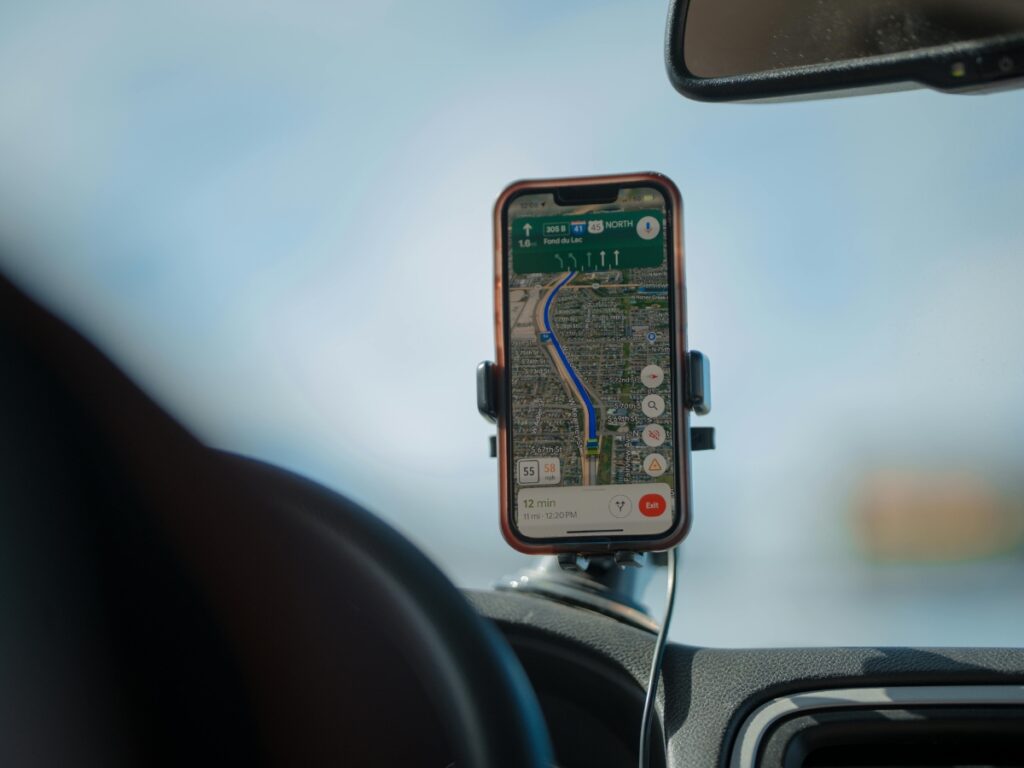
Choosing the right device for high-value equipment comes down to one question: what kind of visibility do you actually need day to day? Some businesses want basic location history in case a trailer or tool goes missing. Others need live updates because assets move between jobsites constantly. The best asset trackers are the ones that match your operating reality, not the ones with the longest feature list.
In most cases, GPS tracking is most valuable when it delivers dependable location data, holds up in rough conditions, and stays powered without constant babysitting. High-value equipment is often stored outdoors, transported on flatbeds, or left at sites where dust, rain, and vibration are normal. A tracker that performs well in a clean office environment may not survive that.
What Features Matter Most In A GPS Tracker For Equipment?
Start with tracking style. Real-time tracking is helpful when assets move frequently or when you need quick confirmation that equipment is still where it should be. If the primary goal is recovery and accountability, location history and motion alerts may be enough, especially if they capture clear timestamps and movement patterns. Either way, the “best” tracker is the one that produces reliable data without gaps.
Battery life is another major factor. Some trackers are rechargeable and need to be checked regularly, which works fine when the equipment is already on a routine maintenance schedule. Others are designed for long life with minimal charging, which is better for items that sit for long stretches or are stored off-site. Durability matters just as much. Look for a device built to handle moisture, heat, and physical impact, since equipment use is rarely gentle.
Signal performance is also worth considering. If your equipment is used in areas with weak cell coverage, you will want a tracker known for consistent reporting and strong connectivity. GPS tracking only helps if you can access the data when you need it, so coverage and reliability should carry more weight than minor convenience features.
How Should You Think About Cost Versus Benefit?
It is easy to get stuck comparing upfront cost, but the more useful comparison is the total risk you are trying to reduce. High-value equipment losses are rarely limited to the item itself. Downtime, missed deadlines, and replacement lead times can be just as expensive. A tracker that costs more but performs consistently may provide better value than a cheaper option that drops signals or requires frequent maintenance you cannot realistically keep up with.
Subscription fees also matter. Many systems require ongoing service for location reporting and alerts. When comparing options, consider the full cost over time, not just the device price. The right setup is one you can sustain, because inconsistent use often turns tracking into a false sense of security.
How Can Reviews And Real-World Feedback Help You Choose?
User reviews can be useful, but only if you read them for patterns rather than hype. Look for repeated comments about signal reliability, battery performance, and how the device holds up over months of field use. Pay attention to whether reviewers are tracking equipment similar to yours, since a tracker that works well on a fleet vehicle may perform differently on a piece of compact machinery or a trailer that sits.
It also helps to look for feedback on the software experience. Even the best hardware is frustrating if the app is hard to use, alerts are inaccurate, or location updates are delayed. For most businesses, the day-to-day value of GPS tracking comes from clear, quick information that helps you make decisions without extra steps.
What Makes A Tracker “Best” For High-Value Equipment?
The best asset tracker is the one that fits your environment, supports your workflow, and delivers dependable location data with minimal maintenance. Focus on durability, battery strategy, and consistent reporting first, then consider features like alerts and reporting tools. When used responsibly and for legitimate asset management, GPS tracking can reduce loss risk, improve accountability, and help you respond faster when something moves that should not.
What Legal Considerations Govern GPS Tracking For Investigations In Georgia?
If you are using GPS tracking in an investigation, the first priority is making sure the method is lawful for the situation, not just effective. In Georgia, the legal boundaries tend to revolve around privacy expectations, consent, and whether the investigator has a legitimate right to access the property involved. The practical takeaway is that you should think in terms of “Do I have authority to be doing this?” rather than “Can this device do it?”
Georgia’s privacy laws include restrictions on certain kinds of surveillance in “private places,” and they can come into play if a method crosses into areas where someone has a reasonable expectation of privacy. For example, Georgia’s eavesdropping and surveillance statute addresses recording or observing activities in private places without consent, with specific exceptions.
It is also worth noting that Georgia lawmakers have considered updates that more directly address electronic location tracking. A 2025 bill (SB 97) proposed limitations on placing or using electronic monitoring devices to track a person’s physical location without lawful consent, along with listed exceptions. As of the legislative tracking source, SB 97 was introduced and referred to committee in February 2025. Because bills can change status, investigators should verify the current law before relying on any proposed language.
Are Private Investigators Allowed To Use GPS Trackers Legally?
Private investigators can use tools that support lawful investigations, but they are not exempt from privacy, trespass, or stalking-related laws. In Georgia, private detective businesses are regulated under Title 43, Chapter 38, and the state maintains a licensing board and rules for the profession. From a risk standpoint, licensing matters because an investigator’s work product can be challenged if the investigation was conducted outside professional or legal boundaries.
A common misconception is that GPS tracking is automatically legal if you are a licensed investigator. In reality, legality depends on the facts: who owns the vehicle or asset, who has authorized the tracking, where the tracker is placed, and whether any access involved crossing onto property without permission. Even when the goal is legitimate, the method can still create exposure if it involves unauthorized access or monitoring.
What Consent And Ownership Rules Apply To GPS Surveillance?
Consent and ownership are usually the clearest guardrails. Tracking an asset you own, lease, or are authorized to manage is generally treated differently than tracking an asset that belongs to someone else. The ownership question matters because it influences whether you have the legal authority to install or use a device on the property in the first place.
When consent is required, it is not just a formality. Consent should be informed, specific to what is being tracked, and documented in a way that is easy to defend later. If the matter ends up in a civil dispute or a criminal proceeding, clean documentation often matters as much as the location data itself.
It also helps to understand the difference between private-party tracking and government tracking. For law enforcement, the U.S. Supreme Court has held that placing a GPS device on a vehicle and using it to monitor movements is a “search” under the Fourth Amendment, generally requiring a warrant. That standard does not automatically map onto private investigations, but it shows how seriously courts treat location monitoring when it involves installation and ongoing tracking.
How Can Investigators Stay Compliant While Using GPS Tracking?
The safest approach is to build a compliance habit into your workflow. Confirm authority before any installation, document consent and ownership clearly, and avoid methods that require entering private property without permission. If a case involves protective orders, domestic situations, or heightened privacy concerns, be especially careful, because the legal and safety stakes are higher.
Finally, keep in mind that GPS tracking law can be fact-specific and can change over time. For any investigation where legality is not crystal clear, it is smart to consult qualified Georgia counsel or a compliance professional so the investigation stays defensible from start to finish.
How Does 4Horsemen Investigations & Security Deliver Advanced GPS Tracking Services?
When GPS tracking is used in an investigation, results depend on more than the device. The value comes from how the tracking plan is built, how the data is interpreted, and how the information is documented in a way that supports the case goal. 4Horsemen Investigations & Security approaches GPS tracking as one part of a broader investigative process, with an emphasis on accuracy, discretion, and clear reporting.
Rather than treating tracking as a one-size tool, the team focuses on matching the approach to the situation. An asset recovery case, for example, often requires quick location confirmation and a reliable movement timeline. A private investigation may require tracking that supports pattern-building over time, especially when the key question is about routine, frequency, and duration of stops. In both scenarios, GPS tracking is most effective when it is combined with other case information and used to guide next steps, not replace them.
Experience also matters in how tracking data is handled. 4Horsemen’s team includes professionals with law enforcement and federal backgrounds, which can inform how evidence is gathered, how documentation is organized, and how risks are managed during an active investigation. The goal is to keep work focused and defensible, with GPS tracking used responsibly as a way to reduce guesswork and improve clarity.
What Is The Process For Consultation, Strategy, And Execution?
Most investigations start with a consultation that defines what the client actually needs to know. That early step is important because tracking is only useful when it answers a specific question. During consultation, the focus is typically on the objective of the case, what outcomes matter, and what constraints exist, such as time sensitivity, asset type, or the need for discretion.
From there, a strategy is developed around the situation rather than a generic template. In practical terms, that means deciding what kind of location information is needed, how often updates should be reviewed, and how the tracking data will be used alongside other investigative methods. A strong strategy also considers what a “useful” finding looks like, whether that means establishing a consistent pattern, identifying a key location, or confirming movement tied to a specific event.
Execution is where discipline matters. The purpose is to gather GPS tracking data in a way that supports timely decisions and clean documentation. Updates should be consistent, reporting should be clear, and the overall approach should stay focused on the case objective. When tracking is done well, it helps reduce wasted time, supports safer field decisions, and makes it easier to explain findings in a straightforward timeline.
Can Client Success Stories Demonstrate Effective Asset Recovery?
Client outcomes often show why GPS tracking is widely used in asset-related cases. Location data can help narrow the search area, confirm movement patterns, and reduce delays that can make recovery harder. That said, the strongest success stories usually reflect more than the technology itself. They reflect a clear plan, proper interpretation of the data, and a process that connects tracking results to practical action.
In asset recovery, GPS tracking can help confirm whether an item is stationary, frequently moved, or stored at a repeat location. For business equipment, tracking can support accountability by showing when a trailer or piece of equipment left a site and when it returned. For corporate assets, GPS tracking can add oversight by documenting movement history and reducing disputes about where assets were last used.
Below is a simple view of how GPS tracking is commonly applied in investigations and asset recovery:
| Application | Description | Benefit |
|---|---|---|
| Stolen Vehicle Recovery | Tracking a vehicle’s location and movement | Supports faster location confirmation |
| High-Value Equipment Tracking | Monitoring equipment that moves between sites | Helps reduce loss and improve accountability |
| Corporate Asset Monitoring | Oversight of fleet and mobile assets | Improves visibility into asset use and movement |
Used correctly, GPS tracking supports stronger timelines, better decision-making, and more efficient investigations. The key is pairing the technology with a process that stays focused, compliant, and evidence-driven.nd results in their investigative efforts.
Conclusion
GPS tracking technology has revolutionized the fields of investigation and asset recovery, providing real-time intelligence and irrefutable evidence that can make the difference between uncertainty and resolution. Whether locating stolen property, monitoring suspicious activity, or gathering critical information for legal proceedings, professional-grade GPS surveillance offers unmatched precision and reliability. For discreet, legally compliant GPS tracking solutions tailored to your specific needs, trust the experienced investigators at 4Horsemen Investigation & Security. Ready to uncover the truth and recover what’s yours? Call 404-680-0860 or visit our website for a free, confidential consultation today. Let our expertise guide you to the answers you deserve.