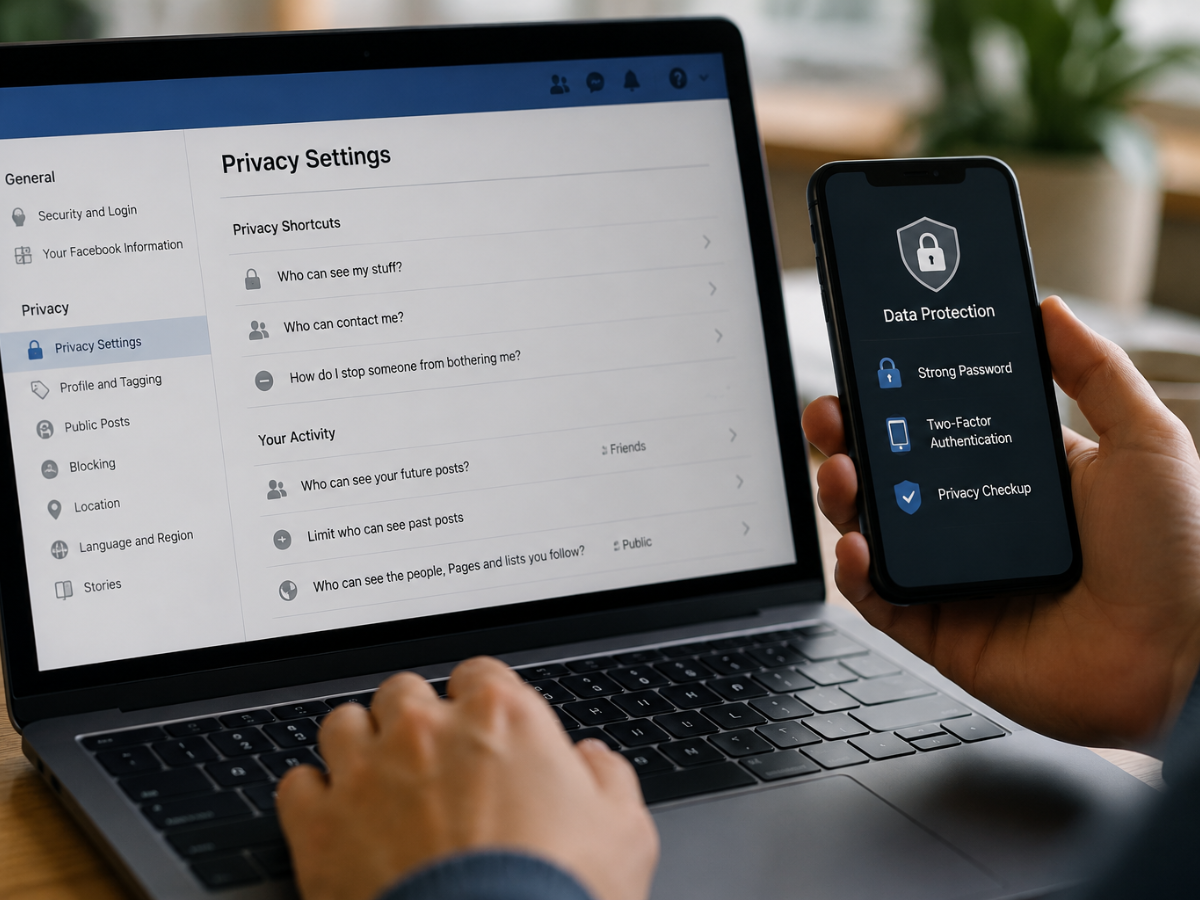
Scams are becoming more sophisticated, and many are tailored to target specific cities and communities. In a fast-growing area like Atlanta, residents and businesses are increasingly facing fraudulent schemes that can lead to financial loss and compromised personal information.
Staying informed is the first step toward protecting yourself. Atlanta fraud awareness means understanding how local scams operate, from phone and email phishing attempts to rental fraud and impersonation schemes.
These tactics often rely on urgency and familiarity, making them harder to spot without the right knowledge. By recognizing common warning signs and knowing how these scams work, you can respond more confidently and reduce the risk of falling victim to fraudulent activity in your area.
Atlanta Fraud Awareness: How to Spot Scams Fast
What Are the Most Common Local Scams And How Do They Impact Communities?

Scams continue to evolve, and in a large, fast-moving city like Atlanta, they can affect both individuals and businesses in different ways.
Staying informed is a key part of fraud awareness, especially as many scams now blend online tactics with real-world interactions. When people understand how these schemes work, they are better equipped to recognize red flags early and avoid costly mistakes.
Beyond financial loss, scams can also create hesitation and distrust. Residents may become wary of legitimate opportunities, while businesses may face reputational damage or operational disruptions.
This broader impact makes fraud awareness an important part of protecting not just personal finances, but the stability of the local community.
Common Types Of Fraud Seen In Local Markets
Several types of fraud show up consistently in Atlanta’s consumer and business environments. While the details may vary, many scams follow familiar patterns that rely on urgency, confusion, or misplaced trust.
Identity theft remains one of the most damaging forms of fraud. It often begins with stolen personal information, which is then used to open accounts, make purchases, or access financial resources. Victims may not realize what has happened until significant damage has already been done.
Online fraud has also become more widespread. Phishing emails, fake websites, and impersonation scams are designed to look legitimate at first glance. These tactics rely on convincing messages that prompt quick action, such as clicking a link or sharing sensitive details.
Investment scams tend to target people looking for new financial opportunities. They often promise unusually high returns with little risk, which can be appealing but unrealistic. Once money is transferred, it is rarely recoverable.
Rental scams are another common issue in growing cities. Fraudsters create fake listings, collect deposits, and disappear before the renter ever sees a property. These scams can be especially frustrating because they often exploit urgent housing needs.
Why These Scams Continue To Succeed
Understanding why scams work is just as important as recognizing the types themselves. Many successful schemes rely on timing and emotional pressure rather than technical sophistication. A message that feels urgent or authoritative can lead people to act quickly without verifying details.
In some cases, scammers gather small pieces of information over time, making their approach feel more personalized and believable. This is why fraud awareness is not just about spotting obvious threats, but also about slowing down and questioning unexpected requests.
Another factor is convenience. Digital communication allows scams to reach a large number of people quickly. Even if only a small percentage respond, the impact can still be significant.
The Broader Impact On Residents And Businesses
The effects of fraud go beyond individual losses. For residents, dealing with identity theft or financial scams can take months to resolve and may affect credit, savings, and peace of mind. For businesses, fraud can lead to disrupted operations, data breaches, or a loss of customer confidence.
Local economies can also feel the impact. When scams become more common, trust in transactions declines, and people may hesitate to engage in legitimate business activities. This ripple effect highlights why fraud awareness is essential at both the personal and organizational levels.
How Can Individuals And Businesses Effectively Prevent Fraud?

Preventing fraud takes more than reacting to problems after they happen. It requires a steady, proactive approach that builds awareness into everyday decisions.
For both individuals and organizations, strong fraud awareness starts with understanding where risks exist and putting simple safeguards in place before issues arise.
In cities like Atlanta, where both digital and in-person transactions are common, prevention efforts need to cover multiple angles. From personal habits to company-wide policies, the goal is to reduce opportunities for fraud while making suspicious activity easier to spot.
Practical Strategies That Reduce Fraud Risk
One of the most effective ways to prevent fraud is through consistent education. When people know what to look for, they are far less likely to fall for common tactics.
For individuals, this might mean staying updated on new scam trends and being cautious with unsolicited messages. For businesses, it often involves regular staff training so employees can recognize suspicious requests, unusual transactions, or attempts to access sensitive data.
Another key step is limiting access to important information. Businesses that restrict who can view financial records or customer data reduce the chances of internal or external misuse. Even simple changes, such as using role-based access or requiring approvals for certain actions, can make a noticeable difference.
Many organizations also choose to work with professional security providers. These services can assess vulnerabilities, recommend improvements, and help build systems that are harder to exploit.
While not every business needs a complex solution, having a structured plan in place strengthens overall fraud awareness and response.
Building Everyday Habits That Support Fraud Awareness
Beyond formal strategies, everyday habits play a major role in prevention. Taking a moment to verify unexpected requests, double-checking payment details, and avoiding rushed decisions can prevent many common scams. Fraud often relies on urgency, so slowing down is a simple but effective defense.
For individuals, protecting personal information is essential. This includes being mindful of what is shared online, using secure passwords, and avoiding unfamiliar links or attachments. These small actions contribute to stronger fraud awareness over time and reduce exposure to risk.
Businesses benefit from similar habits on a larger scale. Regularly reviewing transactions, monitoring account activity, and maintaining clear internal communication can help catch issues early.
When teams are encouraged to question unusual activity rather than ignore it, potential problems are more likely to be addressed quickly.
Understanding How Identity Theft Protection Works
Identity theft protection services are designed to add another layer of security, particularly for individuals who want ongoing monitoring. These services track changes in credit reports and personal data, helping detect unusual activity before it escalates.
Credit monitoring is one of the most common features. It alerts users when there are new accounts, inquiries, or changes that may indicate unauthorized use. This early warning system allows people to act quickly, which can limit damage.
Fraud alerts are another useful tool. When placed on a credit profile, they signal to lenders that additional verification is needed before approving new credit. This makes it harder for someone else to open accounts using stolen information.
Some services also offer identity restoration support. If fraud does occur, these programs guide users through the process of reporting the issue, correcting records, and regaining control of their accounts. This support can save time and reduce stress during an already difficult situation.
Creating A Stronger Prevention Mindset
Effective fraud prevention is not built on a single action. It comes from a combination of awareness, preparation, and consistent follow-through. Whether at the individual or business level, the most reliable protection comes from staying informed and taking small, deliberate steps to reduce risk.
By making fraud awareness part of daily routines and long-term planning, both residents and organizations can create a more secure environment. Over time, these efforts not only prevent losses but also build confidence in everyday transactions and interactions.
What Role Do Private Investigation Services Play In Fraud Detection?

When fraud becomes complex or difficult to trace, private investigation services can play an important role in uncovering what happened and helping resolve the issue.
While basic fraud awareness helps prevent many scams, some situations require deeper analysis, evidence gathering, and a structured approach that goes beyond what individuals or businesses can handle on their own.
Private investigators often step in when there are multiple parties involved, unclear financial activity, or ongoing patterns that need to be documented. Their work supports both prevention and resolution by identifying how the fraud occurred and what steps can reduce future risk.
How Professional Fraud Investigations Typically Work
Firms like 4Horsemen Investigation and Security approach fraud cases methodically, starting with a detailed review of the situation.
The first step usually involves an initial consultation where the investigator gathers key information, including timelines, financial records, and any suspicious communications. This stage helps clarify the scope of the issue and identify potential leads.
From there, a customized strategy is developed. No two fraud cases look exactly the same, so investigative methods are adjusted based on the type of scam, the available evidence, and the desired outcome.
This might involve tracking financial transactions, verifying identities, or analyzing digital activity to identify inconsistencies. The final phase focuses on execution and documentation. Investigators collect evidence in a way that is organized and usable, often compiling detailed reports that clients can reference.
In some cases, these findings may also support legal action or insurance claims. This structured process adds a level of clarity that is difficult to achieve without professional support.
How Investigators Strengthen Fraud Awareness Efforts
Beyond resolving individual cases, private investigators also contribute to broader fraud awareness. By identifying patterns and common tactics used in scams, they help individuals and businesses better understand where vulnerabilities exist.
For example, an investigation might reveal how a scammer gained access to personal information or why a particular process made it easier for fraud to occur. These insights can then be used to improve internal systems, adjust security practices, or train employees more effectively.
This practical feedback loop makes fraud awareness more actionable. Instead of relying on general advice, businesses and individuals can apply lessons based on real situations, which often leads to stronger long-term protection.
Real-World Impact Of Professional Investigations
Case outcomes highlight the value of experienced investigation services. In one example, a coordinated identity theft operation affecting multiple victims was uncovered through careful tracking of financial and digital activity.
By connecting patterns across different cases, investigators were able to build a clear picture of how the scheme operated. The collected evidence not only helped stop the activity but also supported recovery efforts for those affected.
Situations like this show how professional involvement can turn a confusing or overwhelming problem into something more manageable and structured.
For businesses, similar investigations can prevent ongoing losses by identifying internal weaknesses or external threats early. For individuals, they can provide a path forward when dealing with identity theft or financial fraud that feels difficult to resolve alone.
When To Consider Professional Investigation Services
Not every situation requires outside help, but there are clear signs when professional support may be useful. Repeated suspicious activity, unexplained financial discrepancies, or scams involving multiple parties often benefit from a more thorough investigation.
In these cases, combining personal fraud awareness with expert analysis can lead to better outcomes. Investigators bring experience, tools, and a level of objectivity that helps move the process forward efficiently.
Ultimately, private investigation services are not just about solving problems after they occur. They also play a role in strengthening fraud awareness by helping people understand how scams happen and how to prevent them in the future.
Which Consumer Protection Resources And Legal Options Are Available For Fraud Victims In Georgia?

Recovering from fraud can feel overwhelming, but there are clear steps and resources available to help. In Georgia, both individuals and businesses have access to consumer protection agencies and legal pathways designed to address financial harm and hold offenders accountable.
Building strong fraud awareness is not only about prevention but also about knowing what to do if something goes wrong. Understanding your options early can make the recovery process more manageable and improve the chances of resolving the issue effectively.
How To Report Fraud And Access State Support
One of the first steps after experiencing fraud is reporting the incident through the appropriate channels. In Georgia, the Department of Law’s Consumer Protection Division serves as a central resource for complaints and guidance.
Filing a report creates an official record and may contribute to broader investigations into similar scams. The complaint process typically involves providing detailed information about what happened, including dates, communications, and any financial transactions.
While this may take some time, thorough documentation strengthens the case and helps agencies assess patterns across multiple reports.
Beyond reporting, these agencies often provide practical support. This can include guidance on protecting accounts, recommendations for next steps, and direction toward additional resources.
For many victims, this support is a key part of rebuilding confidence after an incident. Strengthening fraud awareness at this stage also helps prevent repeat exposure to similar schemes.
Understanding Legal Paths For Fraud Victims
In addition to consumer protection resources, legal options may be available depending on the situation. Civil lawsuits are one potential route, allowing victims to seek financial recovery for losses.
These cases focus on compensation rather than punishment, and they often rely on clear evidence of harm and responsibility.
Criminal prosecution is another avenue. When fraud is reported to law enforcement, investigators may pursue charges against those responsible.
If a case moves forward, the outcome could include penalties such as fines or imprisonment. While this process can take time, it plays an important role in discouraging future fraudulent activity.
In some cases, courts may order restitution. This means the individual responsible for the fraud is required to repay the victim as part of the sentencing process. While restitution does not always cover the full loss, it can provide some financial relief and a sense of resolution.
How Documentation Strengthens Your Case
Whether working with consumer protection agencies or pursuing legal action, documentation is essential. Keeping records of emails, receipts, bank statements, and any communication related to the fraud helps establish a clear timeline. This information can support both investigations and legal claims.
Many victims underestimate how valuable these details can be. Even small pieces of information may connect to larger patterns or confirm key aspects of a case. Developing strong documentation habits is a practical extension of fraud awareness and can make a meaningful difference during recovery.
Combining Support And Prevention Moving Forward
While the focus after fraud is often on recovery, it is also an opportunity to strengthen long-term protection. Many victims take steps such as monitoring financial accounts more closely, updating passwords, and reviewing privacy settings. These actions help reduce future risk and rebuild a sense of control.
For businesses, this may involve updating internal policies or improving employee training. Lessons learned from one incident can lead to stronger systems and better preparedness overall. In this way, fraud awareness becomes both a response and a forward-looking strategy.
How Are Recent Fraud Statistics Shaping Awareness And Prevention Efforts?

Fraud trends are not static. They shift as technology changes and as scammers adjust their tactics. In cities like Atlanta, recent data has become a valuable tool for improving fraud awareness and guiding prevention strategies.
By understanding where fraud is increasing and how it is being carried out, both individuals and organizations can respond more effectively.
Statistics do more than highlight risk. They help prioritize attention. When certain types of scams begin to rise, it becomes easier to focus education, resources, and protective measures where they are needed most.
What Current Data Reveals About Local Fraud Trends
Recent reports from Georgia law enforcement agencies show a noticeable increase in online fraud cases. As more transactions move online, scammers have found new opportunities to exploit digital platforms.
Phishing attempts, impersonation schemes, and fraudulent websites are becoming more common, often targeting people through email, text, or social media.
Identity theft also continues to represent a significant portion of reported fraud. In many cases, it accounts for a large share of complaints, sometimes exceeding a third of all reported incidents.
This type of fraud often involves stolen personal information that is used to open accounts, make purchases, or access financial assets.
These patterns point to a clear takeaway. Fraud awareness needs to extend beyond traditional scams and include digital behaviors. Many incidents now begin with a simple online interaction, which makes early recognition even more important.
Turning Data Into Practical Prevention Strategies
While statistics provide insight, their real value comes from how they are used. Businesses and security professionals often analyze this data to identify common entry points for fraud. This could include weak verification processes, gaps in employee training, or outdated security practices.
By focusing on these areas, organizations can build more targeted prevention strategies. For example, if online fraud is increasing, efforts may shift toward improving digital security and educating users about suspicious links or requests.
If identity theft is a growing concern, there may be more emphasis on protecting personal data and monitoring account activity.
This approach moves fraud awareness from general advice to something more specific and actionable. Instead of trying to guard against everything at once, prevention efforts can focus on the most likely threats.
How Industry Professionals Apply These Insights
Companies like 4Horsemen Investigation and Security use fraud data to refine their services and stay aligned with current risks. By tracking trends, they can adjust their consulting strategies to match what clients are actually facing rather than relying on outdated assumptions.
One way this shows up is in tailored security planning. Rather than offering a one-size-fits-all solution, strategies are built around the types of fraud that are most common in a given environment. This makes prevention efforts more relevant and effective.
Training programs are another area where data plays a key role. As new scams emerge, training materials can be updated to reflect real-world scenarios. This keeps employees and clients informed about current tactics, which strengthens overall fraud awareness.
Community engagement is also part of this process. Workshops, seminars, and educational outreach help share insights beyond individual clients. When more people understand what is happening locally, it becomes harder for scams to succeed on a larger scale.
Strengthening Awareness Through Ongoing Learning
Fraud prevention is not a one-time effort. It requires ongoing attention and a willingness to adapt as new information becomes available. Statistics provide a snapshot of what is happening now, but they also signal where things may be heading.
For individuals, this means staying informed and adjusting habits as needed. For businesses, it involves regularly reviewing policies, updating systems, and continuing education efforts. In both cases, strong fraud awareness is built through consistency rather than isolated actions.
Using Trends To Stay Ahead Of Fraud
Recent data makes one thing clear. Fraud is becoming more sophisticated, but it is also more predictable when patterns are studied carefully. By paying attention to trends and applying those insights in practical ways, both individuals and organizations can stay a step ahead.
In the end, fraud awareness is most effective when it is informed by real-world data and applied through everyday decisions. This combination of knowledge and action creates a stronger, more resilient approach to preventing fraud over time.
Where Can Residents And Businesses Find Trusted Scam Alerts?

Staying current with scam activity is one of the most practical ways to strengthen fraud awareness. New tactics appear regularly, and many scams succeed simply because people have not seen them before.
Reliable, up-to-date information helps close that gap and gives both individuals and businesses a clearer sense of what to watch for. In a city like Atlanta, where digital and in-person transactions are constant, having access to trustworthy alerts can make everyday decisions more informed and less reactive.
Reliable Sources For Local And National Scam Updates
There are several well-established sources that consistently provide accurate information about emerging scams. The Georgia Department of Law’s Consumer Protection Division is one of the most relevant for local updates.
It regularly shares alerts about fraud affecting residents across the state, along with guidance on how to respond.
The Better Business Bureau is another useful resource, particularly for identifying scams that target consumers and small businesses. Its alerts often include real examples, which makes it easier to recognize similar situations in real life.
At the national level, the Federal Trade Commission publishes ongoing updates about fraud trends, including detailed breakdowns of common schemes and prevention tips. While broader in scope, these insights often reflect patterns that eventually show up at the local level as well.
Using a combination of these sources helps build a more complete picture. Local updates highlight immediate risks, while national data provides context and early warnings about trends that may spread.
Turning Information Into Practical Awareness
Access to information is only useful if it leads to action. One of the most effective ways to improve fraud awareness is to regularly check trusted sources and stay familiar with current scam tactics.
This does not require constant monitoring, but a consistent habit of reviewing updates can make a noticeable difference.
For example, recognizing the tone of a phishing message or the structure of a fake listing becomes much easier after seeing similar cases reported. Over time, this familiarity helps people pause and question situations that might otherwise seem routine.
Businesses can take this a step further by sharing updates internally. When teams are aware of current scams, they are more likely to identify suspicious activity early and avoid costly mistakes. This creates a culture where fraud awareness becomes part of daily operations rather than an occasional concern.
How Personalized Guidance Can Strengthen Prevention
While public resources provide a strong foundation, some individuals and organizations benefit from more tailored support. Firms like 4Horsemen Investigation and Security offer consultation services that focus on identifying specific vulnerabilities and recommending targeted solutions.
This process often begins with an assessment of current practices. By reviewing how information is handled, how transactions are verified, and where potential gaps exist, professionals can develop a clearer picture of risk.
From there, customized strategies can be introduced to improve protection without disrupting normal operations. Ongoing support is another advantage of this approach.
As fraud tactics change, having access to updated insights and guidance helps keep prevention efforts aligned with current threats. This reinforces fraud awareness in a way that is both practical and adaptable.
Building A Consistent Awareness Routine
The most effective fraud prevention strategies are built on consistency. Checking reliable sources, discussing potential risks, and staying open to updated information all contribute to stronger protection over time. These habits do not need to be complex, but they do need to be maintained.
For individuals, this might mean reviewing alerts periodically and being cautious with unexpected communications. For businesses, it could involve regular training sessions or quick updates shared across teams. In both cases, the goal is to keep fraud awareness active rather than reactive.
Staying Informed And Prepared
Fraud continues to evolve, but access to trusted information makes it easier to stay ahead. By relying on credible sources and combining that knowledge with practical habits, both residents and businesses can reduce their exposure to risk.
In the end, fraud awareness is not about anticipating every possible scam. It is about staying informed enough to recognize when something does not feel right and taking the time to verify before acting. That simple shift can prevent many issues before they begin.
Conclusion
Awareness is your first and most powerful line of defense against the growing wave of scams targeting Atlanta residents. When you suspect fraud or need professional assistance in investigating suspicious activity, trust the experienced investigation team at 4Horsemen Investigation & Security.
Ready to safeguard your peace of mind? Call 404-680-0860 or visit our website to schedule your free, confidential consultation today. Let our experts help you uncover the truth and stay one step ahead of those who seek to deceive.