Large events don’t run on logistics alone. They rely on planning that anticipates risks before they happen. From private gatherings to corporate functions and public events, safety is a critical part of the experience.
Professional event security planning in Atlanta helps organizers manage crowds, control access, and respond quickly to unexpected situations without disrupting the flow of the event.
In a busy city with diverse venues and event types, security planning needs to be tailored, not generic. Factors like guest count, location, layout, and timing all influence the level of coverage required. A well-structured plan coordinates personnel, entry points, communication, and emergency response in advance.
When security is handled with foresight and precision, events feel organized, controlled, and safe for everyone involved.
Event Security Planning in Atlanta for Safer, Smoother Events
What Are The Essential Services Included In Atlanta Event Security Planning?
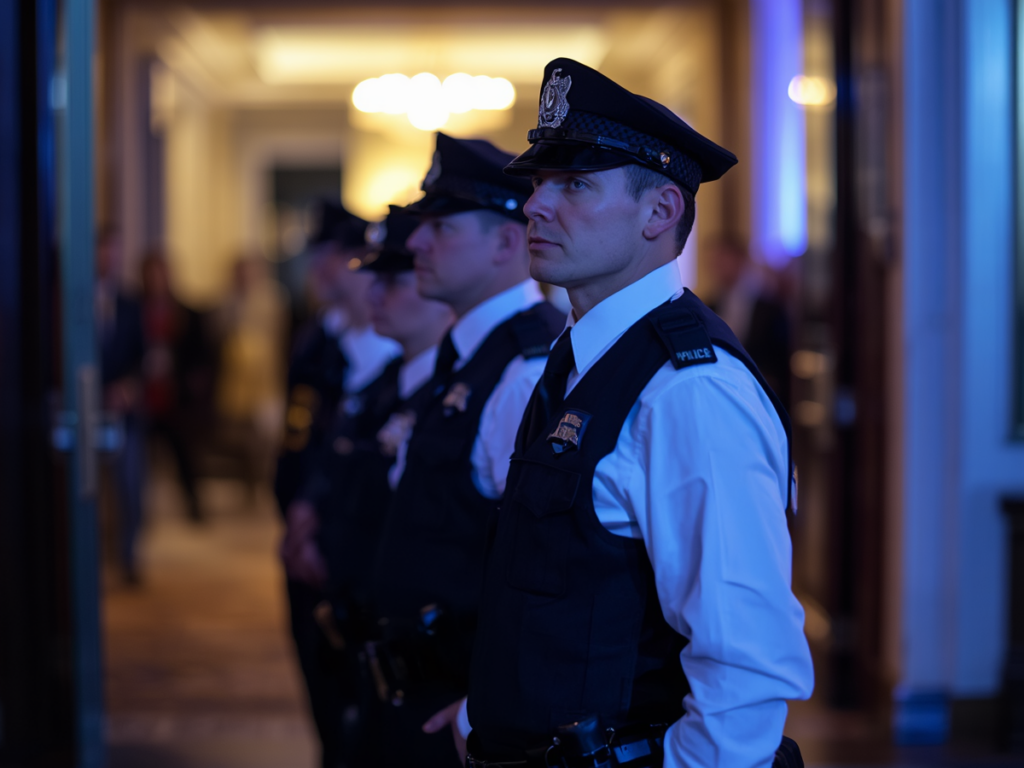
Planning for event security involves more than simply having personnel on site. It requires a coordinated approach that considers the size of the event, the type of crowd, and the specific risks tied to the location. In Atlanta, event security planning typically includes a range of services designed to support both safety and smooth operations.
These services work together to reduce disruptions, manage access, and respond effectively if issues arise. Whether the event is small and private or larger and public, the goal is to create an environment where guests can feel comfortable without security becoming intrusive.
Security Personnel and On-Site Presence
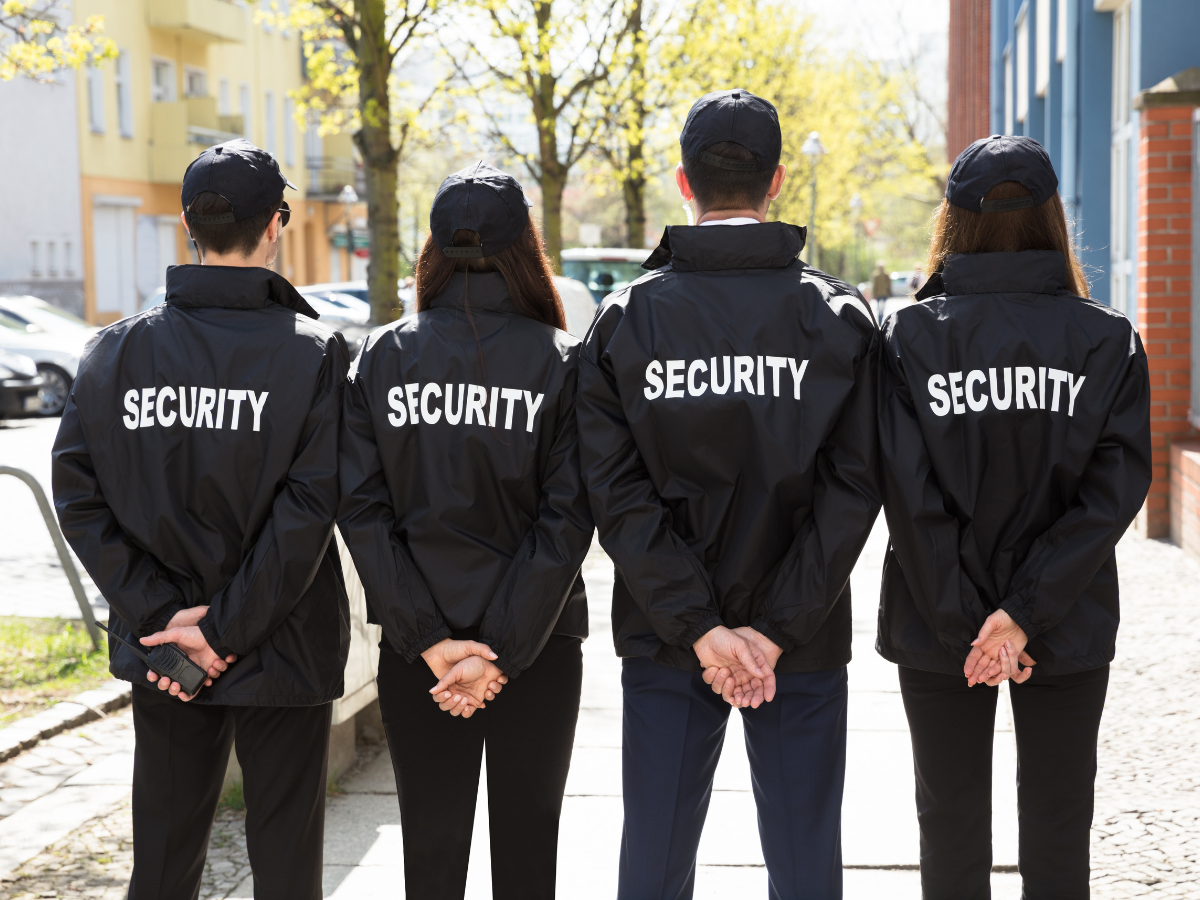
One of the most visible aspects of event security is the presence of trained guards. Depending on the event, this may include both armed and unarmed personnel. Their role is not only to respond to incidents but also to act as a deterrent.
Unarmed guards are often positioned at entrances, checkpoints, and high-traffic areas where crowd flow needs to be monitored.
Armed personnel may be used in situations where there is a higher level of risk or where additional protection is required. The choice between these options depends on the nature of the event and the expectations of the organizers.
A consistent and professional presence helps maintain order and gives attendees a sense that the event is being managed carefully.
Executive Protection And Guest Safety
For events that involve high-profile guests or speakers, executive protection may be included as part of the overall plan. This service focuses on individual safety rather than general crowd management. It often involves advance planning, secure movement through the venue, and close coordination with event staff.
This type of event security is typically more discreet, with the goal of minimizing visibility while still providing effective protection. It allows guests to move through the event comfortably while reducing potential risks.
Security Assessments And Risk Planning
Before an event takes place, a security assessment is often carried out to identify potential concerns. This process looks at factors such as venue layout, entry points, expected attendance, and surrounding conditions.
A thorough assessment helps determine what level of event security is appropriate. It also allows organizers to plan for different scenarios, from minor disruptions to more serious incidents. By addressing these details early, it becomes easier to avoid reactive decisions during the event itself.
Roving Patrols And Active Monitoring
In addition to fixed security positions, roving patrols play an important role in maintaining awareness across the venue. These teams move throughout the space, checking for issues that may not be visible from a single location.
This approach helps cover larger areas more effectively and allows for quicker response times if something unexpected occurs. Roving patrols are especially useful at events with multiple zones, outdoor areas, or changing crowd dynamics.
Their presence adds another layer to event security by ensuring that all parts of the venue are regularly monitored.
Training And Preparedness For Security Teams
Well-trained personnel are a key part of effective event security planning. Training programs often include areas such as situational awareness, communication, and emergency response procedures. Some teams may also receive more specialized instruction, depending on the needs of the event.
Preparation helps ensure that security staff can respond calmly and appropriately under pressure. It also supports better coordination between team members, which is essential during fast-moving situations.
Bringing It All Together For Safer Events
When these services are combined, they create a structured approach to managing safety. Event security is not built on a single element but on how each part works together. From initial planning to on-site monitoring, every step contributes to a more controlled and organized environment.
By understanding how these services function, event organizers can make informed decisions that support both safety and the overall experience.
How Do Armed And Unarmed Security Guards Enhance Event Safety?
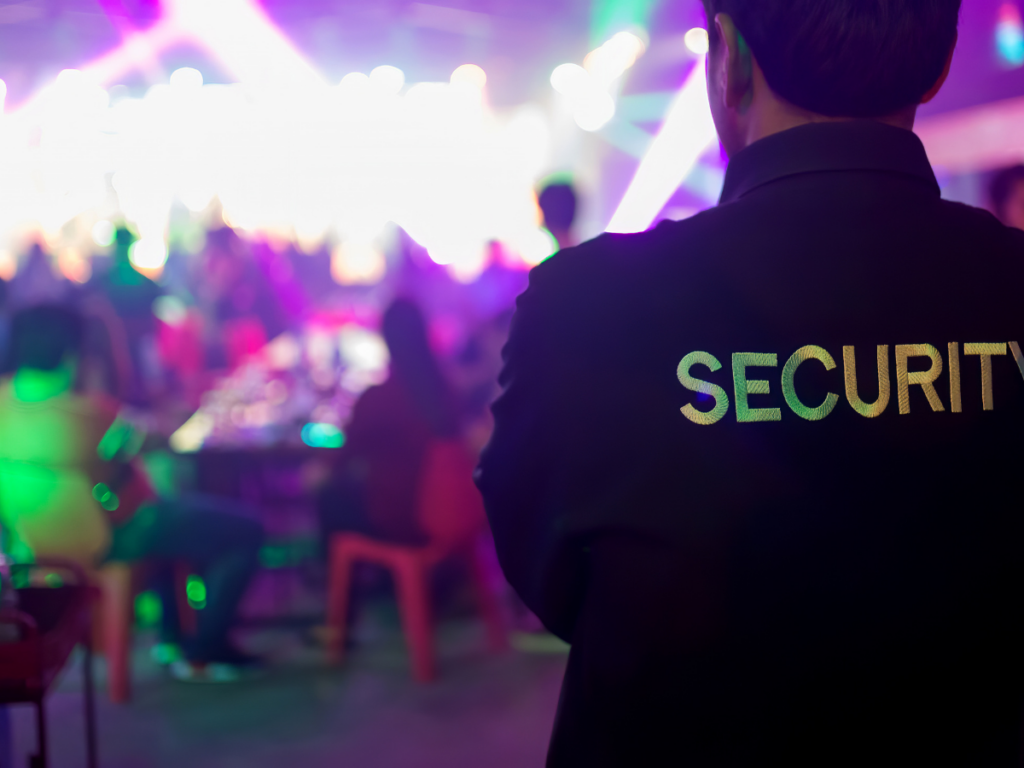
Armed and unarmed security guards play different but complementary roles in event security. Their presence alone can influence behavior and help prevent issues before they escalate.
While both types of guards are trained to handle situations, the level of response they provide depends on the nature of the event.
Unarmed guards are commonly used for crowd management and general oversight. They monitor entrances, guide attendees, and handle minor disruptions.
Because they are not equipped with weapons, they are often seen as more approachable, which can help de-escalate situations and maintain a calm atmosphere.
Armed guards are typically assigned to events where there is a higher level of risk or where additional protection is needed.
Their presence acts as a stronger deterrent, especially in environments that involve high-profile guests or sensitive operations. In these cases, event security becomes more focused on prevention and readiness rather than visibility alone.
Balancing Visibility And Approachability In Security Planning
One of the key challenges in event security planning is finding the right balance between visibility and comfort. Too much visible security can make an event feel restrictive, while too little can leave gaps in coverage. This is why many events use a mix of both armed and unarmed personnel.
Visible security at entry points can help control access and set expectations early. At the same time, less visible monitoring within the event space allows guests to move freely without feeling watched. This balance helps maintain a positive experience while still supporting safety.
Event security is most effective when it blends into the environment rather than dominating it. Guests should feel secure, but not distracted by the presence of security teams.
Matching Security Levels To Event Type
Different events require different levels of protection. A corporate meeting or private function may focus more on controlled access and guest verification, while a larger public event may need broader crowd management and active monitoring.
High-stakes environments often call for a more structured approach, including the use of armed guards and additional coordination between security teams. On the other hand, community events or smaller gatherings may rely more on unarmed personnel who can manage flow and respond quickly to minor issues.
Understanding these differences helps ensure that event security is both appropriate and effective. Choosing the right level of coverage reduces unnecessary risk without adding unnecessary complexity.
Creating A Safer And More Organized Event Experience
When planned carefully, event security supports more than just safety. It helps create a sense of order that allows events to run as intended. Guests can focus on the experience, while organizers have confidence that potential issues are being managed.
By combining trained personnel with thoughtful planning, event security becomes a structured part of the event rather than an afterthought. This approach leads to a more organized environment where both safety and guest experience are supported.
What Role Does Executive Protection Play in Corporate and VIP Events?

Executive protection is a key part of event security, especially when an event involves high-profile guests, executives, or public figures.
While general security focuses on the crowd and overall environment, executive protection is centered on the safety of specific individuals. This requires a more detailed and controlled approach that begins well before the event itself.
At corporate gatherings, private functions, and large-scale events, the presence of executive protection helps reduce potential risks while allowing the event to proceed without disruption. It is not only about responding to threats, but also about preventing them through careful planning and awareness.
How Executive Protection Fits Into Event Security Planning
Executive protection is typically integrated into the broader event security plan rather than handled separately. This ensures that all security efforts work together, from entry control to on-site monitoring.
Coordination between teams allows for quicker communication and a more organized response if something unexpected occurs.
One of the first steps involves assessing the venue and identifying possible vulnerabilities. This may include reviewing entry points, access routes, and areas where crowd movement could become difficult to manage. By addressing these factors early, event security teams can reduce uncertainty and create a more controlled environment.
This planning stage is essential because it shapes how protection is carried out during the event. It also helps determine how visible or discreet the security presence should be.
Maintaining Discretion While Providing Protection
A major goal of executive protection is to remain effective without drawing unnecessary attention. In many cases, protection teams operate quietly in the background, allowing guests to move freely while still maintaining a high level of awareness.
This balance is important for corporate and VIP events, where the atmosphere often needs to remain professional and relaxed.
Too much visible security can change the tone of the event, while too little can leave gaps in coverage. Event security works best when it supports the experience rather than interrupting it.
Discreet positioning, controlled movement, and clear communication between team members all contribute to this balance.
Monitoring Movement And Managing Access
Another important part of executive protection involves managing how individuals move through the event space. This includes coordinating arrivals and departures, guiding movement between areas, and ensuring that access is controlled where needed.
Monitoring guest flow helps reduce congestion and allows security teams to respond more quickly if concerns arise. It also ensures that high-profile individuals can navigate the event without unnecessary delays or exposure to risk.
In this way, executive protection supports both safety and organization. It helps maintain structure while allowing the event to continue as planned.
Supporting A Safe And Structured Event Environment
When done properly, executive protection strengthens the overall event security strategy. It adds a focused layer of protection that works alongside broader measures such as crowd management and on-site monitoring.
This combination creates a more stable environment where potential issues are addressed early and handled efficiently. Guests are able to focus on the event itself, while organizers benefit from a clearer sense of control.
By integrating executive protection into event security planning, corporate and VIP events can operate with a level of preparation that supports both safety and a smooth experience.
How Does Crowd Control Management Ensure Safety at Atlanta Events?

Crowd control is one of the most important parts of event security, especially at larger gatherings where movement and space need to be managed carefully.
Without a clear plan, even a well-organized event can become difficult to manage once attendance increases. The goal of crowd control is not to restrict people, but to guide movement in a way that keeps the environment safe and predictable.
At events in Atlanta, crowd control management focuses on maintaining flow, reducing congestion, and making sure attendees can move comfortably between different areas. When done well, it helps prevent confusion and lowers the chances of incidents that could disrupt the event.
What Are Effective Crowd Control Strategies And Technologies?
Effective crowd control begins with thoughtful layout and clear direction. Physical elements such as barriers and entry points help define where people should move, while signage provides guidance without requiring constant intervention. These simple tools can make a noticeable difference in how smoothly an event runs.
Trained personnel are another key part of the process. Security teams are positioned throughout the venue to monitor movement, assist attendees, and respond quickly if needed. Their presence supports the overall event security plan by helping maintain order without creating unnecessary tension.
Technology has also become more common in event security. Monitoring systems can track crowd density and highlight areas where movement is slowing down.
This allows teams to adjust in real time rather than waiting for a problem to develop. In some cases, aerial views or surveillance tools are used to get a broader perspective of the space, especially for outdoor or large-scale events.
These tools do not replace human oversight, but they do provide additional awareness that helps security teams make better decisions.
How Crowd Movement Affects Safety Planning
Crowd movement is not always predictable, which is why understanding how people behave in groups is an important part of event security planning. Factors such as event type, layout, and timing all influence how crowds gather and move.
For example, a concert with a central stage will create different movement patterns compared to a conference with multiple rooms.
In a tightly packed setting, small disruptions can spread quickly if not managed early. In a more open layout, the focus may shift toward guiding people between areas without creating bottlenecks.
Recognizing these differences allows security teams to adjust their approach. Planning for expected behavior makes it easier to prevent overcrowding and keep pathways clear, which is essential in both routine situations and emergencies.
Preparing For Changing Conditions During Events
Conditions at an event can change quickly, especially as attendance increases or as different activities begin. Crowd control plans need to be flexible enough to adapt without causing confusion.
This often involves:
- Adjusting entry and exit points based on crowd flow
- Repositioning staff to areas that need more attention
- Communicating clearly with attendees when changes occur
These adjustments are part of maintaining effective event security throughout the duration of the event. Rather than relying on a fixed plan, teams stay aware of what is happening in real time and respond accordingly.
Supporting A Safe And Organized Event Experience
When crowd control is handled properly, it becomes almost unnoticeable to attendees. People are able to move through the space comfortably, and the event feels organized without being restrictive. This is a sign that event security is working as intended.
By combining planning, trained personnel, and real-time monitoring, crowd control management helps create a safer environment for everyone involved. It supports both the practical side of safety and the overall experience, allowing events in Atlanta to run smoothly from start to finish.
Why Choose 4Horsemen Investigations & Security for Special Event Security in Atlanta?
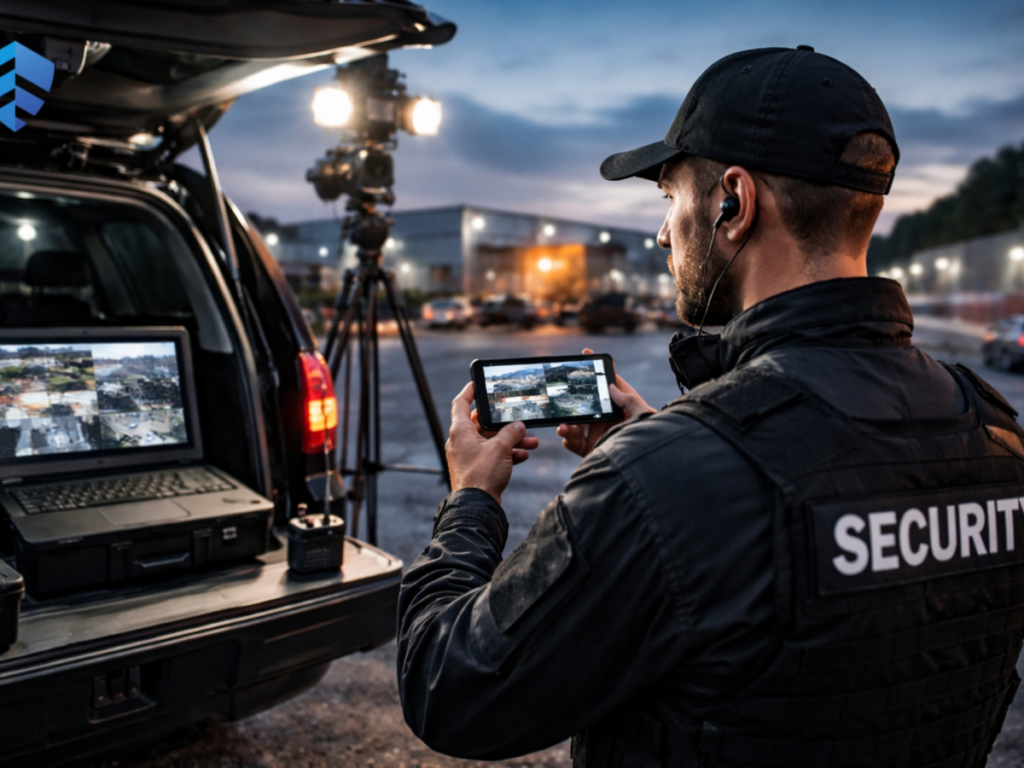
Selecting the right team for event security is an important part of planning any event, especially in a city like Atlanta, where venues and crowd sizes can vary widely.
A reliable security provider brings more than just personnel. They offer structure, preparation, and the ability to adapt as conditions change.
4Horsemen Investigations & Security is often recognized for its experience and approach to planning. The company draws from a background in federal and law enforcement work, which shapes how it handles risk assessment and on-site coordination.
This level of experience can be useful for events that require a more structured and responsive approach to event security.
What Federal Grade Expertise And Rapid Response Capabilities Do They Offer?
One of the key strengths of 4Horsemen Investigations & Security is its foundation in federal-level training and real-world experience.
Team members often come from backgrounds where attention to detail and quick decision-making are essential. This influences how event security plans are built and how they are carried out during an event.
Preparation typically begins with a review of the venue and the specific needs of the event. This may include identifying potential vulnerabilities, evaluating access points, and planning how security personnel will be positioned. Rather than applying a standard approach, the process is adjusted based on the scale and type of event.
Another important factor is response time. Event security often requires adjustments on short notice, and having a team that can organize and implement a plan quickly can make a difference. From initial planning to execution, the focus is on creating a system that can be put in place efficiently without overlooking key details.
How Structured Planning Supports Event Security Outcomes
A well-planned approach to event security reduces uncertainty during the event itself. When roles are clearly defined and communication is established in advance, it becomes easier to manage both expected and unexpected situations.
This includes coordination between different parts of the security team, such as those managing entry points, monitoring movement, and handling any issues that arise. Each part of the operation supports the others, creating a more stable and organized environment.
With this level of planning, event organizers are better equipped to maintain control without interrupting the flow of the event. Guests are able to move freely, while security teams remain aware of what is happening across the venue.
How Confidentiality And Professionalism Strengthen Event Security
Confidentiality is an important part of event security, particularly for corporate functions, private events, and gatherings involving high-profile individuals. Handling information carefully helps protect both the event and the people involved.
Professionalism also plays a role in how security is perceived. A well-trained team knows how to interact with guests, manage situations calmly, and maintain a consistent presence throughout the event. This helps create an environment that feels organized without being overly restrictive.
When confidentiality and professionalism are prioritized, event security becomes more effective overall. It supports both safety and the overall experience, allowing the event to proceed without unnecessary distractions.
Creating A Reliable Approach To Event Security In Atlanta
Choosing a team with experience and a structured process can make event security more predictable and easier to manage. By combining preparation, responsiveness, and clear communication, security providers like 4Horsemen Investigations & Security contribute to a more controlled event environment.
This approach allows organizers to focus on the event itself, knowing that safety and coordination are being handled with care.
How Is Event Risk Assessment Conducted For Successful Security Planning?
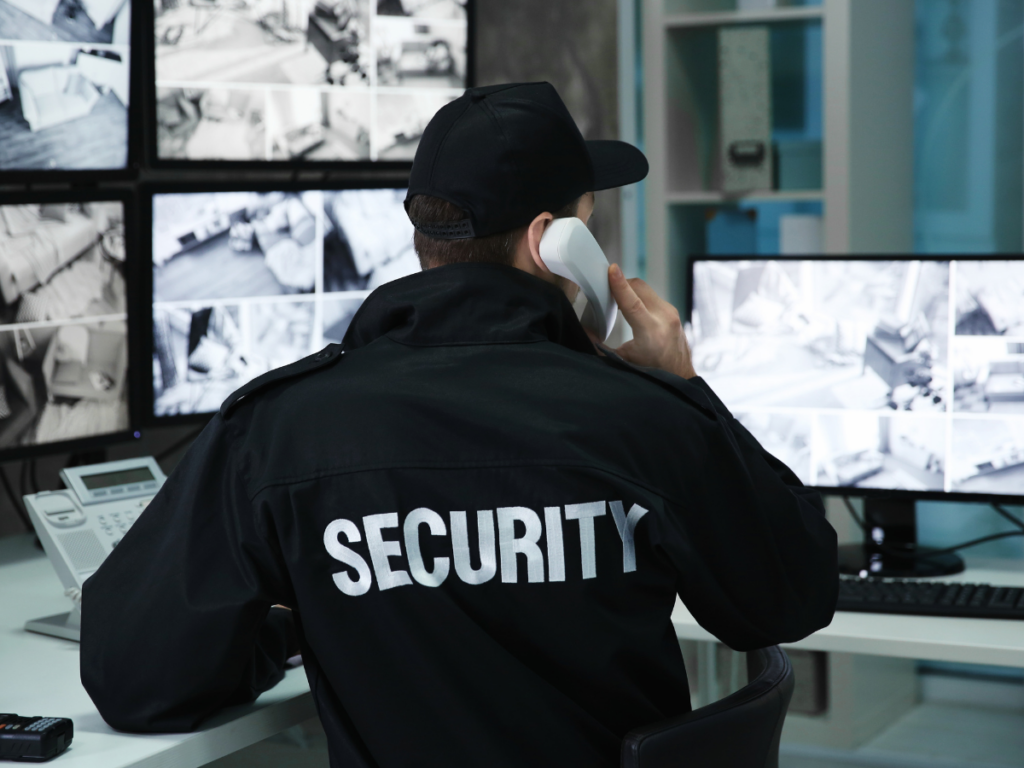
A strong event security plan usually begins with a clear understanding of potential risks. Event risk assessment is the process of identifying those risks early and deciding how they should be managed before the event takes place. This step helps prevent reactive decisions and supports a more controlled, organized environment from the start.
Rather than relying on a single checklist, risk assessment is typically built around the specific details of each event. Factors such as venue layout, guest profile, timing, and expected attendance all influence how event security is planned and executed.
Starting With An Initial Consultation
The first step in event risk assessment often involves a detailed consultation. This is where organizers and security teams review the purpose of the event, the location, and any concerns that may affect safety. These discussions help set expectations and provide a foundation for the rest of the planning process.
During this stage, attention is given to practical details. Entry points, emergency access routes, and areas where crowds may gather are all considered. By identifying these elements early, event security teams can begin shaping a plan that reflects the real conditions of the venue.
This early collaboration makes it easier to align security measures with the overall structure of the event.
Developing A Custom Security Strategy
Once the initial information is gathered, the next step is to create a tailored strategy. Event security is most effective when it is designed around the specific needs of the event rather than applied as a general solution.
A custom strategy may include decisions about personnel placement, monitoring methods, and how communication will be handled during the event. Timelines are also established to ensure that each part of the plan is implemented in a coordinated way.
This structured approach helps reduce confusion and allows security teams to operate more efficiently. It also provides a clear reference point if adjustments need to be made as the event approaches.
Training And Real World Preparation
Preparation does not stop at planning. Training is often included to ensure that security teams are familiar with the environment and ready to respond if needed. In some cases, this involves practicing scenarios within the actual venue so that team members understand how to navigate the space.
This type of preparation supports faster and more effective responses. When security personnel know the layout and have already considered possible situations, they are better equipped to handle unexpected challenges without hesitation.
Training also helps improve coordination between team members, which is essential for maintaining consistent event security throughout the event.
Expanding Awareness And Coordination
In certain situations, risk assessment may extend beyond the immediate event team. For private or high-profile gatherings, additional individuals such as family members or close staff may be included in basic safety planning. This ensures that everyone understands how to respond in different scenarios.
Clear communication plays an important role here. Establishing simple protocols and expectations helps reduce confusion and allows for a more organized response if issues arise. This added layer of awareness supports the overall effectiveness of event security.
Maintaining Ongoing Support And Flexibility
Event security planning does not end once the event begins. Conditions can change, and risk assessment is often an ongoing process that continues through the duration of the event. Security teams monitor activity, adjust their approach if needed, and stay prepared for new developments.
Ongoing support may include updating strategies, repositioning personnel, or refining communication based on what is happening in real time. This flexibility helps maintain a stable environment even as conditions shift.
By combining early planning with continuous awareness, event security becomes more adaptable and reliable. This approach allows organizers to manage risks more effectively while keeping the focus on the event itself.
What Are The Key Steps In Identifying Threats And Vulnerabilities?

Identifying threats and vulnerabilities is a core part of event security planning. Without a clear understanding of potential risks, it becomes difficult to put the right safeguards in place. This process is not just about spotting obvious issues, but also about recognizing how different factors can interact during an event.
A well-structured approach helps security teams prepare for a range of situations while keeping the event organized and manageable. Each step builds on the previous one, creating a plan that is both practical and adaptable.
Starting With An Initial Consultation
The process usually begins with a detailed consultation. This stage focuses on understanding the purpose of the event, the venue, and any specific concerns that may affect safety. It is also a chance to identify expectations and clarify what level of event security is needed.
During this phase, attention is given to elements such as crowd size, guest profile, and layout. Entry points, restricted areas, and emergency access routes are reviewed to get a clear picture of how the space will function. These details provide the foundation for identifying where vulnerabilities may exist.
By taking the time to assess these factors early, security teams can avoid gaps that might otherwise be overlooked.
Developing A Custom Strategy
Once the initial assessment is complete, the next step is to create a strategy tailored to the event. Event security plans are most effective when they reflect the specific conditions of the venue and the type of gathering being held.
A custom strategy outlines how security personnel will be positioned, how access will be managed, and how communication will flow during the event. It also defines priorities, helping teams focus on the areas that require the most attention.
This step ensures that the response is not generic. Instead, it is designed to address the actual risks identified during the consultation.
Conducting A Defense Assessment
A closer evaluation of the venue or environment helps identify how well it can handle potential issues. This includes reviewing physical features such as lighting, visibility, and access control, as well as considering how people are expected to move through the space.
This type of assessment highlights both strengths and weaknesses. For example, a venue may have strong entry control but limited visibility in certain areas. Recognizing these details allows event security teams to adjust their plan and reinforce areas that need additional attention.
This step adds another layer of clarity, making the overall plan more effective.
Planning Tactical Responses
After identifying risks and evaluating the environment, the focus shifts to response planning. Event security is not only about prevention but also about being ready to act if something unexpected happens.
Response plans are developed for different scenarios, ranging from minor disruptions to more serious incidents. These plans outline how security teams should respond, who is responsible for specific actions, and how communication will be handled.
Having these procedures in place helps reduce uncertainty and allows for quicker, more coordinated responses.
Maintaining Ongoing Awareness And Support
Event security planning does not stop once the strategy is in place. Conditions can change, and new challenges may arise as the event approaches or unfolds. Ongoing support allows security teams to adjust their approach as needed.
This may involve updating plans, repositioning personnel, or refining communication based on real-time observations. Staying flexible ensures that the security plan remains effective throughout the event.
By combining preparation with continuous awareness, event security becomes more reliable and better equipped to handle a range of situations.
How Are Customized Security Plans Developed For Different Event Types?

Every event comes with its own set of challenges, which is why a one-size-fits-all approach rarely works for event security.
A private gathering, a corporate function, and a large public event all require different levels of planning, coordination, and oversight. Customized security plans are designed to reflect these differences, ensuring that safety measures align with the specific needs of each event.
Rather than applying a standard checklist, the process focuses on building a plan around the details that matter most. This allows event security to remain both effective and flexible, adapting to the environment and the type of crowd expected.
Starting With A Clear Understanding Of The Event
The first step in developing a customized plan is understanding the event itself. This includes reviewing the purpose, location, guest profile, and expected attendance. These details shape how event security should be structured and what areas require the most attention.
For example, a corporate event may prioritize controlled access and guest verification, while a large outdoor gathering may focus more on crowd movement and monitoring. By identifying these priorities early, security teams can begin to outline a plan that fits the situation rather than forcing a generic approach.
This early stage also helps highlight potential concerns that may not be obvious at first glance.
Building A Strategy Around Specific Needs
Once the event details are clear, the next step is to develop a strategy that reflects those needs. This includes deciding how security personnel will be positioned, how entry and exit points will be managed, and how communication will be handled throughout the event.
A customized strategy also considers timing. Planning is not limited to the event itself but includes setup, arrival periods, and departure flow. Each phase presents different challenges, and event security needs to account for these transitions to maintain consistency.
By structuring the plan in this way, security teams can operate with greater clarity and coordination.
Adapting To Different Event Environments
Different venues and event types introduce unique variables that influence security planning. Indoor spaces may require a focus on controlled access and visibility, while outdoor events often involve larger areas and changing conditions.
Crowd behavior also varies depending on the setting. A seated event will have different movement patterns compared to one where attendees are constantly circulating.
Understanding these differences helps event security teams adjust their approach and avoid congestion or confusion. Customization allows the plan to respond to these variables rather than treating all events the same.
Coordinating Execution And Ongoing Adjustments
Once the plan is in place, the focus shifts to execution. Event security teams follow the established strategy while remaining aware of changes that may occur during the event. Conditions can shift quickly, and the ability to adapt is an important part of maintaining safety.
Coordination between team members ensures that adjustments can be made without disrupting the flow of the event.
This may involve repositioning personnel, managing access differently, or responding to changes in crowd movement. Regular communication helps keep the plan aligned with what is happening in real time.
Creating A Practical And Reliable Security Approach
Customized planning makes event security more practical and reliable. By focusing on the specific details of each event, security teams can reduce uncertainty and respond more effectively to different situations.
This approach supports both safety and organization. Guests are able to move through the event comfortably, while organizers have a clearer sense of control.
When event security is built around the actual needs of the event, it becomes a natural part of the overall experience rather than an added layer of complexity.
Conclusion
Comprehensive event security planning is the foundation of any successful gathering in Atlanta, ensuring that guests can celebrate, connect, and enjoy themselves with complete peace of mind.
From crowd management and access control to emergency response coordination, professional security transforms potential vulnerabilities into seamless, protected experiences.
For expert security solutions tailored to your event’s unique size and scope, trust 4Horsemen Investigation & Security.
Ready to host with confidence? Call 404-680-0860 or visit our website to schedule your free consultation today. Let our experienced team safeguard your event, so you can focus on creating unforgettable moments.