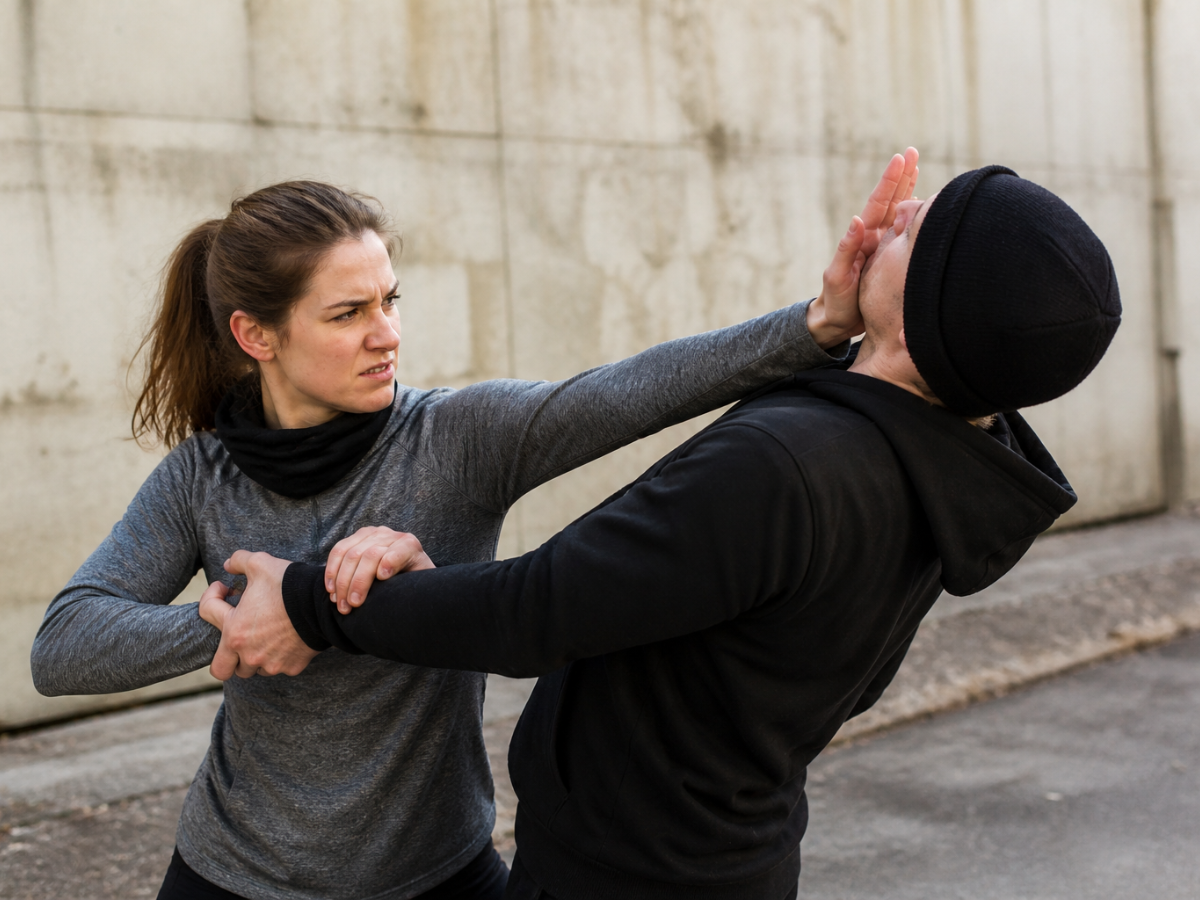
Personal safety isn’t about reacting in the moment alone. It starts with awareness, preparation, and understanding how to avoid or handle risky situations before they escalate. Self defense fundamentals provide a practical foundation for building confidence and staying in control when it matters most.
Effective self defense goes beyond physical techniques. It includes situational awareness, boundary setting, and recognizing early warning signs. Knowing when to disengage, create distance, or respond appropriately can make a critical difference.
With the right strategies and mindset, you can improve your ability to protect yourself, stay alert in different environments, and approach everyday situations with greater confidence and control.
Self Defense Fundamentals for Everyday Safety
Essential Tips And Strategies For Personal Safety

Building strong personal safety habits starts with understanding the role of awareness, preparation, and consistent decision-making.
While techniques are important, true confidence often comes from knowing how to recognize situations early and respond appropriately. That is where self defense fundamentals begin to make a real difference in everyday life.
One of the most effective ways to improve safety is by sharpening situational awareness. This goes beyond simply looking around. It means actively noticing changes in your environment, paying attention to how people are behaving, and trusting your instincts when something feels off.
For example, choosing a well-lit path instead of a shortcut or noticing when someone is following too closely are small decisions that can prevent larger problems. Over time, this awareness becomes second nature and reduces the chances of being caught off guard.
Developing A Practical Safety Mindset
Preparation is just as important as awareness, but it works best when it feels realistic and manageable. Instead of trying to plan for every possible scenario, focus on a few clear responses you can rely on.
Knowing where exits are in public spaces, keeping your phone accessible, and having a simple plan for getting help can make a meaningful difference in stressful moments.
Self defense fundamentals often emphasize this type of practical thinking. The goal is not to memorize complex moves but to build habits that support quick, clear decisions.
For instance, positioning yourself closer to exits, maintaining personal space, and staying aware of your surroundings all contribute to a stronger sense of control.
It is also helpful to think through common situations ahead of time. Walking to your car at night, using public transportation, or traveling in unfamiliar areas all come with different considerations.
By mentally rehearsing what you would do in these situations, you reduce hesitation and improve your ability to act confidently if needed.
Building Connections With Local Resources
Personal safety is not something you have to manage alone. Becoming familiar with local resources can provide an added layer of support. This might include knowing the nearest police stations, understanding how to contact emergency services quickly, or being aware of community programs focused on safety.
Incorporating these resources into your routine can make them easier to access when it matters most. For example, saving emergency numbers in your phone or identifying safe locations in your area can help you respond more efficiently in unexpected situations.
These small steps reinforce the practical side of self defense fundamentals by connecting awareness with action.
Turning Awareness Into Consistent Habits
The most effective safety strategies are the ones that become part of your daily routine. Rather than treating personal safety as something separate, it helps to integrate it into everyday decisions.
Locking doors, checking surroundings before entering a space, and staying present while walking in public areas are all simple habits that add up over time.
Consistency is what makes these strategies effective. The more often you practice awareness and preparation, the more natural they feel. This reduces stress and allows you to focus on what matters without constantly worrying about potential risks.
By combining awareness, preparation, and access to local support, you create a balanced approach to personal safety. Self defense fundamentals are not just about physical techniques.
They are about building a mindset that helps you move through the world with confidence, clarity, and a stronger sense of control.
What Are the Most Effective Basic Self-Defense Moves for Beginners?
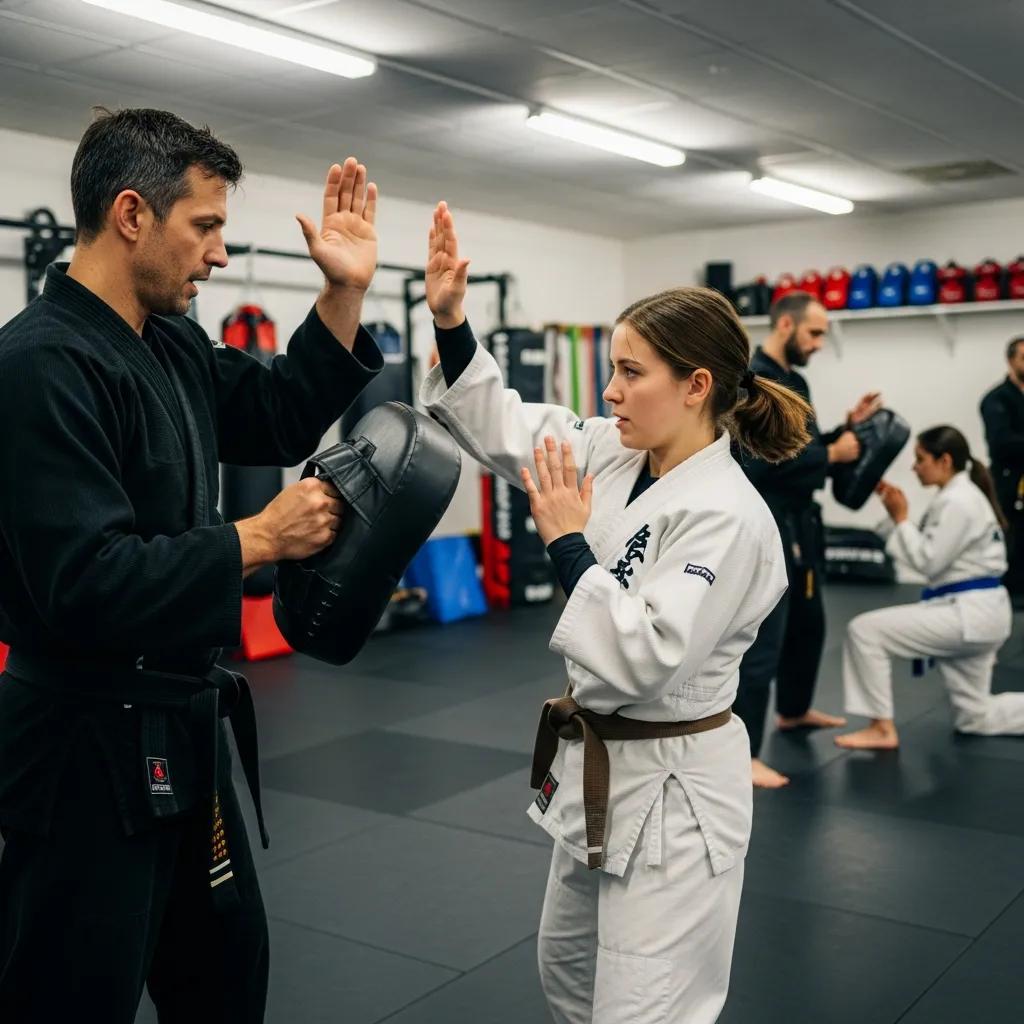
Learning a few reliable techniques can make a meaningful difference when it comes to personal safety. For beginners, the goal is not to master dozens of moves but to understand a small set of actions that are simple, effective, and easy to recall under pressure.
This is where self defense fundamentals come into play, focusing on awareness, quick reactions, and creating an opportunity to get to safety.
The most effective techniques tend to target vulnerable areas and work in close-range situations. A palm strike, for example, is often easier to execute than a closed-fist punch and can be directed toward the nose or chin to disrupt an attacker.
Knee strikes are another practical option, especially when distance is limited. A well-placed knee can create just enough space to break away and move out of danger. Elbow strikes also fall into this category, offering a strong, controlled motion that can be used when someone is within arm’s reach.
How To Perform Simple Physical Defense Techniques Safely
While these movements are straightforward, practicing them correctly matters. The focus should always be on control and awareness rather than force. Practicing with a partner in a safe, supervised setting allows you to understand proper positioning and timing without risking injury.
It is also important to approach training with the right mindset. Self defense fundamentals are built around escaping a situation, not engaging in prolonged conflict.
Each movement should be thought of as a way to create space and give yourself a chance to leave safely. For example, after a palm or knee strike, the next step should be to move away rather than stay in place.
Repetition plays a key role here. The more familiar these motions become, the more naturally they will come to you in stressful moments. Even a short, consistent practice routine can help build confidence and improve reaction time.
Which Martial Arts Techniques Translate Best To Real-World Safety?
Many martial arts disciplines offer useful techniques, but not all of them are designed with real-world situations in mind. For beginners, it helps to focus on systems that emphasize practicality and adaptability.
Techniques drawn from disciplines like judo and karate are often highlighted because they can be applied in unpredictable environments.
Judo, for instance, teaches how to use balance and leverage to your advantage. A simple throw can help you break free if someone grabs you, even if they are physically stronger. Karate focuses on quick, direct strikes that are easy to learn and execute.
The key is not to rely on any single style but to understand how these techniques fit into broader self defense fundamentals. Each method should support your ability to stay aware, react quickly, and exit the situation safely.
Building Confidence Through Practice And Awareness
Physical techniques are only one part of effective self-defense. Being able to recognize potential threats early can often prevent a situation from escalating in the first place.
Paying attention to body language, changes in your environment, and your own instincts can help you make safer decisions before anything physical happens. In addition to learning specific moves, regular practice drills can reinforce both awareness and response.
Simple exercises, such as practicing how to break free from a wrist grab or how to reposition yourself quickly, can build muscle memory over time. This kind of preparation makes it easier to act without hesitation if needed.
Ultimately, self defense fundamentals are about combining awareness, preparation, and practical movement. By focusing on a few effective techniques and practicing them consistently, beginners can develop the confidence and skills needed to handle challenging situations more safely.
How Can Situational Awareness Improve Your Personal Safety?

Situational awareness is one of the most important aspects of staying safe, and it often matters more than physical strength or technique.
At its core, it is about noticing what is happening around you and understanding how it might affect your safety. When practiced consistently, it becomes a natural part of how you move through everyday environments.
This is why situational awareness is considered a key part of self defense fundamentals. Rather than reacting after something has already gone wrong, awareness allows you to spot potential issues early.
For example, noticing someone behaving unusually or recognizing that an area feels unsafe can give you time to change direction, leave, or seek help. These small, early decisions are often what prevent situations from escalating in the first place.
Building Everyday Awareness Habits
Improving situational awareness does not require complex training. It starts with simple habits that you can build into your daily routine. One of the most effective is environmental scanning.
This means taking a few seconds to observe your surroundings when you enter a space. Notice where exits are, who is nearby, and anything that feels out of place. Another helpful approach is practicing mindfulness. Staying present helps you avoid distractions, especially in environments where attention is important.
Looking down at your phone while walking or zoning out in unfamiliar places can reduce your ability to respond quickly if something changes. Some people also find value in running through simple mental scenarios.
For instance, thinking about what you would do if you needed to leave quickly or where you would go for help can make your response feel more automatic if the situation arises. These habits strengthen self defense fundamentals by connecting awareness with action.
Recognizing Early Signs Of Potential Danger
Being aware is only useful if you know what to look for. Certain behavioral and environmental cues can signal that something is not right.
Pay attention to individuals who display sudden aggression, erratic movements, or an unusual level of focus on others. These behaviors can indicate a heightened risk and are worth taking seriously.
Environmental changes can also provide important clues. A normally busy area that suddenly becomes quiet, poor lighting, or blocked pathways can all affect your sense of safety. Trusting your instincts in these moments is important. If something feels off, it is usually worth creating distance and reassessing.
The goal is not to become overly anxious but to stay observant without being distracted. Over time, this balance becomes easier to maintain and helps you respond calmly rather than react impulsively.
Turning Awareness Into Consistent Practice
Like any skill, situational awareness improves with repetition. One way to build this skill is by integrating it into your daily routine. Whether you are commuting, shopping, or walking through a parking area, take a moment to check your surroundings. These small check-ins build a habit that strengthens over time.
Practicing with others can also be helpful. Talking through safety strategies with friends or family can reinforce what to look for and how to respond. It also makes the process feel more practical and less abstract.
Another effective method is light scenario practice. This does not need to be formal training. Simply imagining how you would respond to common situations can improve confidence and reduce hesitation. When combined with physical techniques, this approach rounds out the broader scope of self defense fundamentals.
What Verbal Self-Defense Strategies Help De-Escalate Threats?

Not every dangerous situation requires a physical response. In many cases, the ability to communicate clearly and confidently can prevent things from escalating at all.
Verbal self-defense focuses on setting boundaries, reducing tension, and creating space to leave safely. As part of self defense fundamentals, these skills are often just as important as physical techniques.
At its core, verbal self-defense is about control. The way you speak, the words you choose, and how you carry yourself can influence how another person responds.
A calm but firm voice can signal confidence, while clear language removes ambiguity. Instead of engaging emotionally, the goal is to stay grounded and focused on ending the interaction safely.
Using Assertive Communication To Prevent Conflict
Assertive communication sits between passivity and aggression. It allows you to express your boundaries without escalating the situation. This balance is essential in tense moments, where tone and delivery can change the outcome.
Body language plays a significant role here. Standing upright, maintaining appropriate eye contact, and keeping your movements steady can reinforce what you are saying.
These nonverbal cues often carry as much weight as your words. When combined with a firm, even tone, they help establish presence without provoking further conflict.
The key is to keep your message simple and direct. Overexplaining or raising your voice can create confusion or escalate emotions. Instead, short and clear statements tend to be more effective. This approach aligns with self defense fundamentals by prioritizing clarity, control, and safety over confrontation.
Choosing Words That Create Space And Distance
The phrases you use in a stressful situation should aim to create distance and signal your intent. Rather than arguing or engaging in back-and-forth conversation, it is more effective to set a boundary and repeat it if necessary.
Statements like “I need you to step back” or “I do not want any trouble” communicate your position without inviting debate. If the situation continues, reinforcing your message with “I am calling for help” can shift the dynamic by introducing consequences without escalating aggression.
Tone matters just as much as the words themselves. A steady, controlled voice helps keep the interaction from becoming more heated. Speaking too softly may not be taken seriously, while shouting can increase tension. Finding that middle ground takes practice but becomes easier over time.
Practicing Verbal Responses In Real Situations
Like any skill, verbal self-defense improves with repetition. Practicing responses ahead of time can help reduce hesitation in the moment. This does not require formal training. Even mentally rehearsing how you would respond in common situations can make a difference.
For example, think about how you would react if someone invaded your personal space or behaved aggressively in a public setting.
Having a few go-to phrases ready can make your response feel more natural and controlled. This preparation supports self defense fundamentals by helping you stay composed when it matters most.
It is also helpful to practice with others in a safe environment. Role-playing different scenarios can build confidence and highlight how tone, posture, and wording all work together. Over time, these elements begin to feel more instinctive.
Strengthening Confidence Without Escalation
Verbal self-defense is not about winning an argument. It is about managing a situation in a way that protects your safety. By focusing on clear communication, steady body language, and simple boundaries, you reduce the chances of conflict turning physical.
When combined with awareness and basic physical techniques, these strategies create a well-rounded approach to personal safety.
Self defense fundamentals are most effective when they include both verbal and physical skills, allowing you to respond appropriately to a wide range of situations while maintaining control and confidence.
Which Safety Tools And Technology Enhance Personal Security?

Modern safety tools can add an extra layer of protection when used alongside awareness and practical skills. While no device replaces good judgment, the right tools can support quick responses and help you stay connected in uncertain situations.
When combined with self defense fundamentals, these technologies become part of a broader, more reliable approach to personal safety. Many of today’s safety tools are designed to be simple and accessible.
The goal is not to overwhelm you with features but to give you a fast, clear way to get attention or alert someone if needed. Choosing the right option often depends on your routine, comfort level, and the environments you move through daily.
How Personal Alarms And Safety Apps Support Quick Responses
Personal alarms are one of the most straightforward tools available. With the press of a button, they emit a loud, attention-grabbing sound that can disrupt a situation and draw focus from others nearby. This sudden noise can discourage unwanted behavior while giving you a moment to move away and get to a safer location.
Safety apps take a slightly different approach by focusing on communication. Many allow you to share your location in real time, send alerts to trusted contacts, or quickly reach emergency services.
Some apps also include features like timed check-ins or automatic alerts if you do not respond within a set period. These tools are especially useful when traveling alone or navigating unfamiliar areas.
Used together, alarms and apps reinforce self defense fundamentals by helping you act quickly and stay connected. They are not meant to replace awareness but to support it when timing matters most.
Why Wearable Devices Offer Discreet Protection
Wearable safety devices are designed for convenience and subtlety. Unlike larger tools, they can be integrated into everyday items such as bracelets, necklaces, or watches. This makes them easy to carry without drawing attention, which can be important in certain situations.
Many of these devices include features similar to safety apps, such as location sharing or emergency alerts. The difference is in how quickly they can be activated.
A simple press or gesture can send a signal to preselected contacts, often without needing to unlock a phone. This ease of use can make a meaningful difference in high-stress moments.
Another advantage is consistency. Because wearable devices are part of what you already use daily, you are less likely to forget them. This reliability supports self defense fundamentals by ensuring you always have access to a basic safety tool when you need it.
Choosing Tools That Fit Your Daily Routine
Not every safety tool works for every person. The most effective option is one that fits naturally into your lifestyle. If you prefer something simple and immediate, a personal alarm may be the right choice. If staying connected is your priority, a safety app or wearable device might be more useful.
It is also important to spend time becoming familiar with whichever tool you choose. Knowing how it works, how to activate it quickly, and when to use it can improve your confidence. A tool is only helpful if you feel comfortable using it without hesitation.
Technology works best when it supports habits you already practice. When paired with awareness, clear communication, and practical decision-making, these tools become an extension of self defense fundamentals rather than a replacement for them.
Integrating Technology Into A Broader Safety Approach
Safety tools are most effective when they are part of a larger strategy. They should complement your awareness, preparation, and ability to respond calmly in different situations. By combining these elements, you create a more balanced and adaptable approach to personal security.
Whether it is a simple alarm or a more advanced device, the goal remains the same. You want to create options that help you stay in control, respond quickly, and move to safety when needed.
When used thoughtfully, technology can play a valuable role in strengthening self defense fundamentals and supporting everyday confidence.
What Home Security Tips Strengthen Your Personal Safety at Home?

Building a safer home starts with understanding how everyday choices shape your level of protection. While many people focus on external threats, strong personal safety often comes down to preparation, consistency, and awareness.
Practicing self defense fundamentals at home means creating an environment that reduces risk while giving you more control over unexpected situations.
One of the most effective ways to do this is by focusing on your home’s entry points. Doors and windows are the most common access points, so reinforcing them should be a priority.
Solid-core doors, reliable locks, and properly secured window latches can make a meaningful difference. These are not just physical upgrades. They act as deterrents, making your home less appealing to anyone looking for an easy opportunity.
At the same time, modern technology can add another layer of protection. Smart home devices, such as motion sensors and mobile-connected cameras, allow you to monitor your space even when you are not there.
This kind of visibility supports self defense fundamentals by helping you stay informed and respond quickly if something feels off.
How To Secure Entry Points And Use Safety Equipment
Once you understand the importance of entry points, the next step is applying practical solutions that hold up in real life. Strengthening doors and windows is not only about adding locks, but also about choosing materials that are harder to break or bypass.
Reinforced frames, deadbolts, and secure hinges all contribute to a more resilient setup. Beyond physical reinforcement, safety equipment plays a key role in how well your home can respond to potential threats.
Security cameras and alarm systems are especially useful because they create both awareness and accountability. Even the presence of visible cameras can discourage unwanted activity before it starts.
What makes this approach effective is how it combines prevention with response. Instead of relying on a single layer of protection, you are building a system that works together.
This aligns closely with self defense fundamentals, which emphasize preparation, awareness, and the ability to act when necessary. When your home is equipped with the right tools, you are not just reacting to situations, you are actively reducing the chances of them happening in the first place.
What Are Best Practices For Home Safety Awareness?
Even the most secure home can fall short without consistent awareness. Safety is not something you set up once and forget. It is something you maintain through daily habits and attention to detail.
Simple routines, like checking that doors are locked before bed or confirming that security systems are active, can prevent small oversights from becoming larger problems.
Awareness also extends beyond your immediate space. Getting to know your neighbors and staying connected to your community adds another layer of protection that technology alone cannot provide. When people look out for one another, unusual activity is more likely to be noticed and addressed quickly.
This broader approach reflects a deeper understanding of self defense fundamentals. It is not just about reacting to danger, but about recognizing patterns, staying alert, and creating a network of support.
Over time, these habits become second nature, making safety feel less like a task and more like part of your everyday life. By combining physical security, smart tools, and ongoing awareness, you create a home environment that supports both comfort and confidence.
How Can You Avoid Danger In Everyday Situations?

Avoiding danger in daily life often comes down to awareness and small, consistent habits. It is not about being overly cautious, but about noticing details that others might overlook.
Practicing self defense fundamentals in everyday settings means staying present in your environment and recognizing when something does not feel quite right.
For example, paying attention to changes in behavior around you, such as someone lingering too long or moving in a way that feels out of place, can give you time to adjust your actions.
This might mean crossing the street, entering a nearby store, or simply creating more distance. These small decisions add up and can significantly reduce your exposure to risk.
Another important aspect is how you handle your personal belongings. Keeping items like your phone, wallet, and bag secure and within reach helps prevent opportunistic theft. It also allows you to stay focused on your surroundings instead of being distracted or caught off guard.
What Are Practical Personal Safety Strategies When Traveling?
Travel introduces new environments, which can make it harder to rely on routine. This is where preparation becomes especially important. Before arriving at a destination, taking the time to research the area can give you a clearer sense of what to expect.
Knowing which neighborhoods are well-trafficked and which areas are best avoided helps you make more informed decisions once you are there. Choosing accommodations with strong reviews and visible security measures can also make a difference in how safe you feel.
It is not just about comfort, but about minimizing unnecessary risks. When moving around an unfamiliar place, sticking to well-lit streets and populated areas, especially after dark, is a simple but effective way to stay safer.
These choices reflect self defense fundamentals by focusing on prevention rather than reaction. When you plan ahead and stay aware, you reduce the likelihood of encountering situations that require a more direct response.
How To Recognize And Avoid High-Risk Environments
Not all environments carry the same level of risk, and being able to tell the difference is a valuable skill. High-risk environments often share certain characteristics, such as poor lighting, limited visibility, or a lack of foot traffic. They may also feel unpredictable, with people behaving in ways that seem tense or erratic.
Learning to read these cues takes practice, but it becomes more intuitive over time. Environmental scanning, or regularly checking what is happening around you, helps you stay one step ahead. This does not mean constantly looking for danger, but rather maintaining a general awareness of your surroundings.
Trusting your instincts plays a key role here. If a place or situation feels uncomfortable, there is usually a reason, even if you cannot immediately identify it.
Acting on that feeling by leaving or changing direction is a practical application of self defense fundamentals. It is a reminder that your safety is more important than staying in a situation that does not feel right.
How To Respond Effectively During A Personal Safety Threat
Even with strong awareness and preparation, situations can still arise where you need to act quickly. In these moments, your response matters more than perfection. Staying as calm as possible allows you to think clearly and choose the best available option.
Recognizing that a situation is escalating is the first step. This might involve noticing changes in tone, body language, or proximity.
Once you identify a potential threat, creating distance should be a priority whenever possible. Moving toward a safer, more populated area or positioning yourself near an exit can give you more control.
It is also helpful to be aware of your surroundings in advance so you know where you could go if needed. Identifying places like open businesses, security stations, or well-lit areas can make your response faster and more effective.
At its core, self defense fundamentals are about giving yourself options. By staying aware, preparing ahead of time, and responding with intention, you place yourself in a stronger position to handle unexpected situations with confidence.
Where Can You Find Reliable Self-Defense Training And Resources?
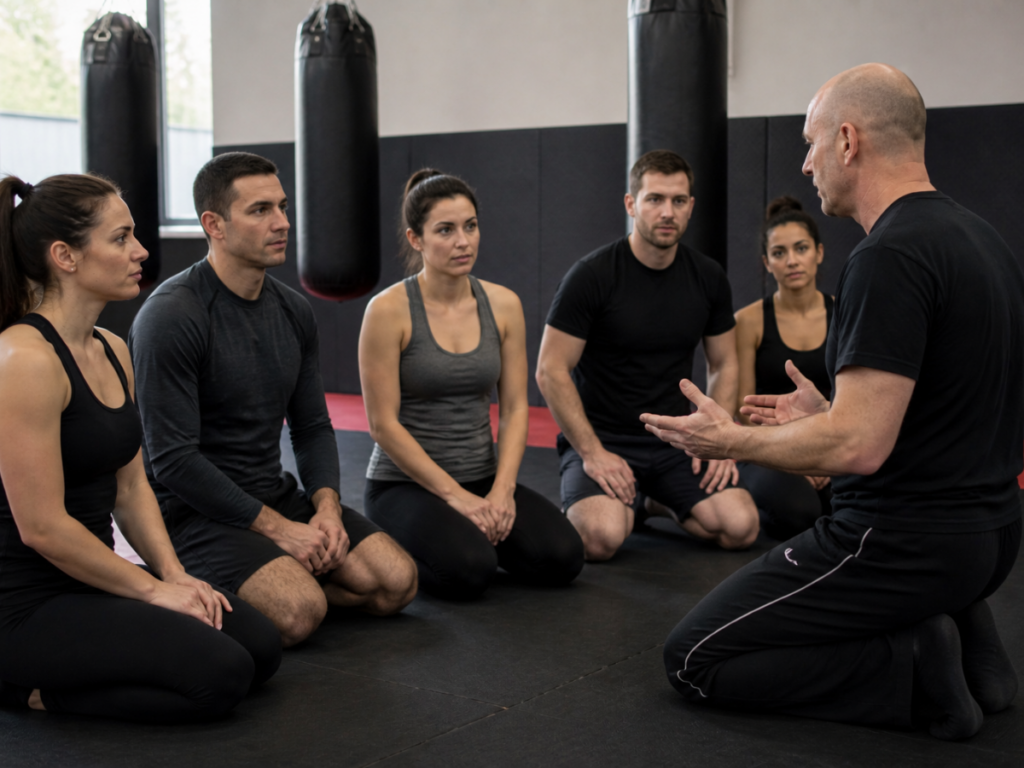
Finding the right training is an important step in building real confidence in your personal safety. While there are many options available, not all of them offer the same level of quality or practicality.
When you are learning self defense fundamentals, it is important to choose resources that focus on real-world situations rather than overly choreographed techniques.
Local training options are often a strong place to start. Community centers, martial arts studios, and fitness facilities frequently offer self-defense classes designed for beginners.
These in-person settings give you the chance to practice movements, ask questions, and get immediate feedback. That kind of hands-on learning is difficult to replace, especially when you are trying to build muscle memory and improve your reaction time.
At the same time, online resources can complement in-person training. Instructional videos and structured courses allow you to review techniques at your own pace and reinforce what you have learned.
When used together, these options create a more well-rounded approach to understanding self defense fundamentals without relying on a single method.
What To Look For In A Self-Defense Class For Beginners?
Choosing the right class can make a noticeable difference in how effective your training feels. For beginners, the goal is not just to learn techniques, but to understand how and when to use them. This is where the quality of instruction becomes especially important.
An experienced instructor should be able to explain concepts clearly while also demonstrating how they apply in real situations.
Look for someone with a background in self-defense, martial arts, or personal safety training who emphasizes practical application over performance. The best classes focus on awareness, decision-making, and simple movements that are easy to remember under pressure.
Class structure also plays a role in how much you take away from each session. A balanced approach that includes both explanation and hands-on practice helps you connect theory with action.
Instead of memorizing steps, you begin to understand why certain responses work, which is a key part of developing strong self defense fundamentals.
Which Organizations Provide Authoritative Safety Information?
Beyond classes and courses, reliable information from established organizations can help reinforce what you are learning. These sources often focus on prevention, awareness, and community-based safety strategies, which are all essential parts of personal protection.
Government agencies and local law enforcement departments frequently provide workshops, guides, and public safety programs.
These resources are usually grounded in real data and local experience, making them highly relevant to everyday situations. They may cover topics such as crime prevention, situational awareness, and how to respond effectively in emergencies.
Engaging with these programs can also give you a better understanding of how safety works within your community. It connects the individual skills you are building with broader efforts to reduce risk and improve public awareness.
This perspective supports self defense fundamentals by showing that personal safety is not just about individual action, but also about staying informed and connected.
When you combine hands-on training, credible online resources, and guidance from trusted organizations, you create a more complete foundation. This layered approach helps you build skills that are not only practical, but also adaptable to different situations over time.
Conclusion
Mastering self-defense fundamentals is about more than physical techniques—it’s about cultivating situational awareness, confidence, and the ability to make quick decisions under pressure.
By understanding your surroundings, trusting your instincts, and learning practical strategies for de-escalation and response, you empower yourself to navigate the world with greater safety and peace of mind.
For professional training and expert guidance tailored to real-world scenarios, trust 4Horsemen Investigation & Security. Ready to take control of your personal safety?
Call 404-680-0860 or visit our website to schedule your free consultation today. Let our experienced instructors equip you with the skills and confidence to protect yourself and those you love.