Whether you’re heading to work, walking your dog, exercising, or exploring the city, personal safety should always be part of the journey.
While Atlanta offers vibrant neighborhoods, parks, and business districts, staying aware of your surroundings is essential for reducing risk and responding confidently to unexpected situations.
Walking safety tips for personal protection help Atlanta residents develop habits that increase awareness, improve decision-making, and enhance overall security. Simple actions like choosing well-lit routes, minimizing distractions, and recognizing potential warning signs can make a significant difference in everyday situations.
By combining preparation with situational awareness, you can navigate the city more confidently and make personal safety a natural part of your daily routine.
Walking Safety Tips for Atlanta Residents
What Are the Current Urban Crime Trends Affecting Walking Safety In Atlanta?

Staying informed about local crime trends is an important part of personal safety, especially for people who regularly walk for exercise, commuting, or recreation.
Understanding how crime patterns vary across Atlanta can help residents make smarter decisions about where to walk, what times of day are safest, and which areas may require extra caution.
While no neighborhood is completely free from crime, awareness of local conditions can play a valuable role in reducing risk.
As part of a broader approach to personal safety, keeping up with local crime reports and community updates complements other walking safety tips such as staying alert, choosing well-traveled routes, and avoiding distractions while walking.
How Have Crime Rates Changed In Atlanta Neighborhoods?
Crime trends in Atlanta have varied from one neighborhood to another in recent years. Some communities have seen improvements in public safety due to increased community involvement, neighborhood watch programs, and targeted law enforcement efforts.
Other areas have continued to experience challenges related to property crimes, theft, or isolated incidents of violent crime. Because crime trends can shift over time, it’s important to avoid relying on outdated information or assumptions.
A neighborhood that experienced elevated crime rates several years ago may have improved significantly, while other areas may face new concerns. Reviewing recent crime maps, city data, and local news reports can provide a more accurate picture of current conditions.
For pedestrians, understanding these trends can be especially useful when planning walking routes. Areas with strong foot traffic, active businesses, and visible community activity often provide a greater sense of security than isolated locations with limited visibility.
Why Local Awareness Matters For Pedestrian Safety
Knowing the character of a neighborhood goes beyond simply looking at crime statistics. Factors such as street lighting, sidewalk conditions, traffic volume, and the presence of other pedestrians all influence how safe a walking environment feels.
Even in relatively safe areas, walkers should remain aware of their surroundings and avoid becoming distracted by mobile devices or headphones. One of the most effective walking safety tips is maintaining situational awareness so you can respond quickly to changing conditions.
Local community groups, neighborhood associations, and city resources can also provide valuable information about areas where residents feel comfortable walking and locations where extra caution may be warranted.
Which Areas In Atlanta Are Often Considered Safer For Walking Alone?
Several Atlanta neighborhoods are frequently recognized for their walkability, community engagement, and active public spaces. Areas such as Virginia-Highland, Inman Park, and portions of Midtown are popular among pedestrians due to their combination of sidewalks, local businesses, parks, and regular foot traffic.
These neighborhoods often benefit from strong community involvement and infrastructure that supports walking. Well-maintained sidewalks, pedestrian crossings, and active streetscapes can contribute to a safer and more enjoyable walking experience.
However, even in highly walkable communities, personal safety practices remain important. Walking during daylight hours when possible, staying on established routes, and letting someone know your plans are simple precautions that can increase peace of mind.
Using Crime Trends To Make Smarter Walking Decisions
The goal of reviewing crime trends is not to avoid walking altogether but to make informed choices. Understanding which areas experience higher levels of activity, which routes are well-traveled, and when pedestrian traffic is highest can help reduce potential risks.
Many residents use crime mapping tools, neighborhood forums, and local safety alerts to stay informed about changing conditions.
Combined with practical walking safety tips such as remaining visible, carrying a charged phone, and avoiding isolated shortcuts, this information can help create safer daily routines.
Staying Safe While Enjoying Atlanta On Foot
Walking remains one of the healthiest and most accessible ways to stay active, explore neighborhoods, and commute short distances. By paying attention to local crime trends and making thoughtful route choices, pedestrians can enjoy the benefits of walking while minimizing potential risks.
Ultimately, the most effective walking safety tips combine awareness, preparation, and good judgment. Staying informed about neighborhood conditions allows Atlanta residents to walk with greater confidence and make decisions that support their personal safety.
What Personal Safety Tips Can Enhance Walking Safety In Atlanta?
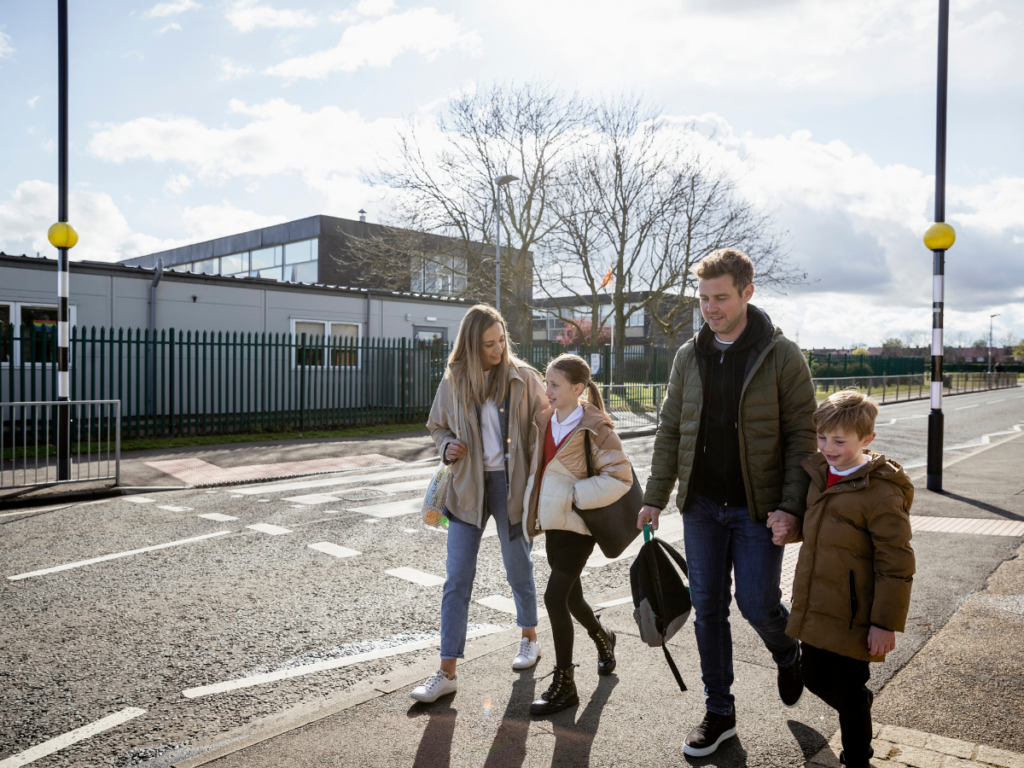
Whether you’re walking for exercise, commuting, or simply enjoying the city, adopting a few practical habits can significantly improve your safety. While no strategy can eliminate every risk, being prepared and aware can help you navigate Atlanta more confidently.
One of the most effective walking safety tips is maintaining awareness of your surroundings. It’s easy to become distracted by text messages, social media, or phone calls, but staying alert allows you to notice potential hazards, changes in your environment, or unusual behavior nearby.
The more aware you are, the more time you have to react if a situation develops. Trusting your instincts is equally important. If a street, parking area, or interaction feels uncomfortable, don’t ignore that feeling.
Changing your route, entering a nearby business, or moving toward a more populated area can be a smart decision. Personal safety often comes down to recognizing situations early and responding before they escalate.
Keeping personal belongings secure can also reduce your vulnerability. Bags should remain zipped and close to your body, while expensive items such as phones, jewelry, and electronics should be used discreetly when walking in public. Simple precautions like these can make you a less appealing target for theft.
How To Stay Safe When Walking Alone At Night In Atlanta
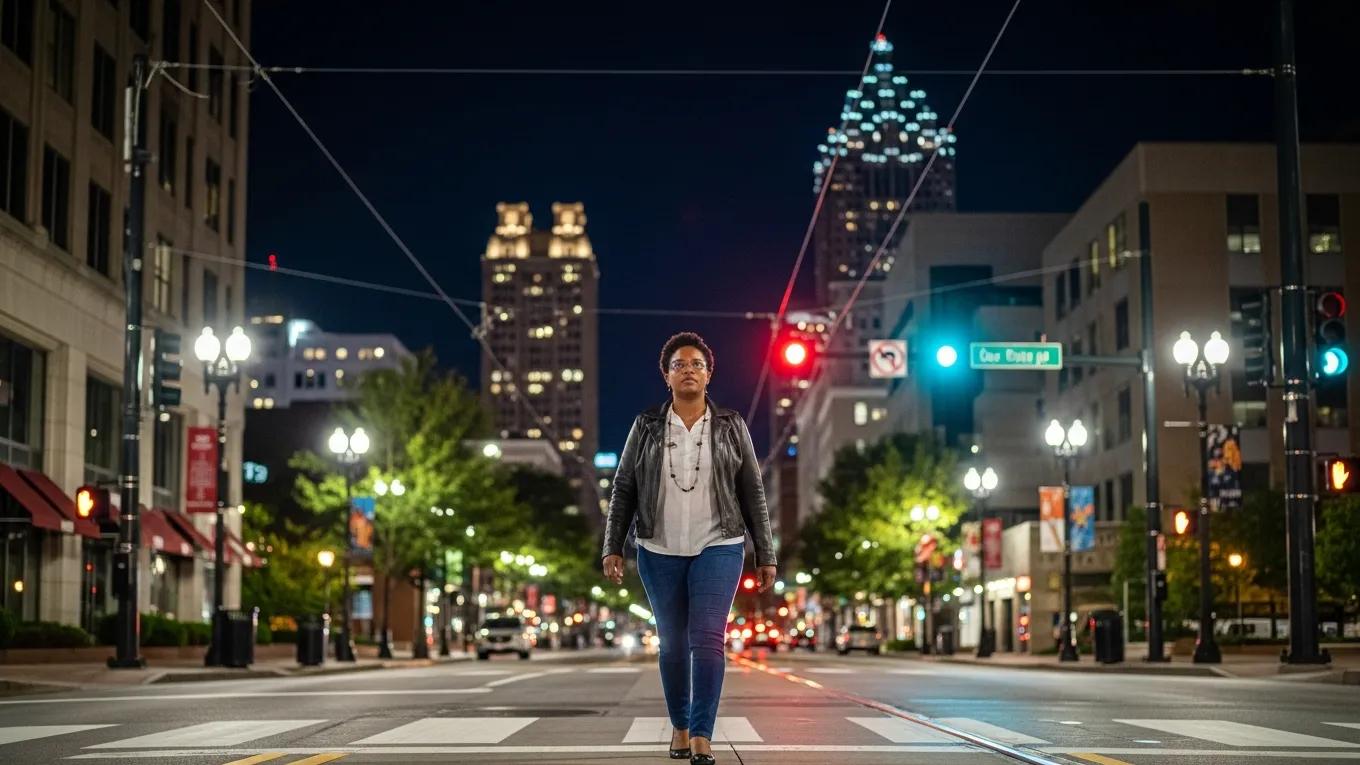
Walking after dark requires a different level of awareness and preparation. Visibility is lower, pedestrian traffic may decrease, and potential hazards can be harder to identify. For this reason, choosing your route carefully is one of the most important walking safety tips for nighttime travel.
Whenever possible, stick to well-lit streets with regular foot traffic and active businesses. Areas that are populated and visible tend to provide a greater sense of security than isolated side streets or shortcuts. Even if a route is slightly longer, the added visibility is often worth it.
It’s also helpful to minimize distractions while walking at night. Keeping your phone accessible is important for emergencies, but constantly looking at the screen can reduce your awareness of what’s happening around you.
If you’re listening to audio, consider keeping the volume low enough to hear traffic, conversations, and other environmental sounds.
Why Communication Adds An Extra Layer Of Security
When walking alone, especially after dark, letting someone know your plans can provide additional peace of mind. Sharing your destination, expected route, or estimated arrival time ensures that someone is aware of your whereabouts if plans change unexpectedly.
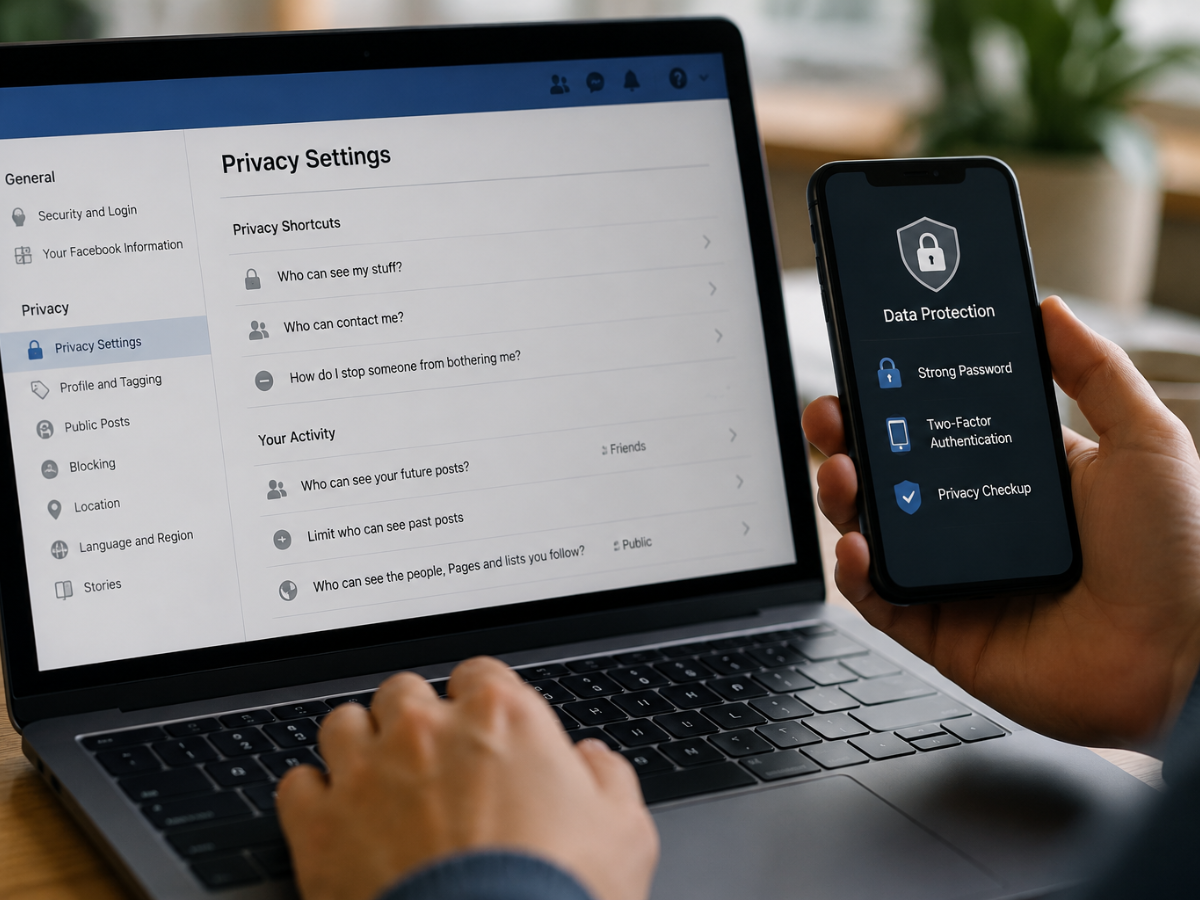
Many people also use location-sharing features on their smartphones when traveling alone. While technology should never replace situational awareness, it can serve as a useful backup measure that helps friends or family stay informed.
Avoiding High-Risk Situations Before They Develop
A proactive mindset is often more effective than reacting to a problem after it occurs. Instead of focusing solely on self-defense, consider how to avoid potentially risky situations altogether.
For example, avoid isolated parking lots, poorly lit pathways, and areas where visibility is limited. If you notice unusual activity ahead, don’t hesitate to cross the street, change direction, or move toward a busier location. These small adjustments can help reduce unnecessary exposure to risk.
Another valuable strategy is walking with purpose. Confident body language, good posture, and awareness of your surroundings can make you appear less vulnerable and more difficult to target.
Building Safer Walking Habits Every Day
The best walking safety tips are often the simplest ones practiced consistently. Staying alert, choosing well-traveled routes, securing personal belongings, and trusting your instincts can all contribute to a safer experience.
Whether you’re walking during the day or at night, developing these habits can help you feel more confident and prepared. In a city as active and diverse as Atlanta, personal safety starts with informed decisions, awareness, and a willingness to prioritize your well-being whenever you’re on foot.
Why Emergency Preparedness Matters For Walking Safety

Personal safety involves more than staying aware of your surroundings. Being prepared for unexpected situations can make a meaningful difference if an emergency occurs while you’re out walking.
Whether you’re commuting, exercising, or running errands, having a simple plan in place can help you respond more effectively and reduce panic during stressful situations.
One of the most practical walking safety tips is to think about emergency scenarios before they happen. Knowing who to contact, where to go for assistance, and how to communicate your location can help you act quickly when every second matters.
Creating A Personal Emergency Response Plan
An emergency response plan does not need to be complicated. It can be as simple as identifying trusted contacts, saving important phone numbers in your device, and familiarizing yourself with safe locations along your regular walking routes.
For example, if you frequently walk in a particular neighborhood, take note of nearby businesses, public buildings, or well-populated areas where you could seek help if necessary. Knowing your options ahead of time allows you to make faster decisions during an emergency.
It’s also a good idea to keep your phone charged before heading out and enable location services if you use safety or navigation apps. These small preparations can provide valuable support when needed.
How Sharing Your Plans Improves Safety
Another effective strategy is letting someone know where you’re going and when you expect to arrive. This simple habit is especially valuable when walking alone, traveling after dark, or exploring unfamiliar areas.
Friends or family members who know your route and expected schedule are more likely to notice if something seems wrong. Many smartphone apps also allow real-time location sharing, providing an additional layer of reassurance for both you and your loved ones.
Among the many walking safety tips available, communication remains one of the easiest and most effective ways to enhance personal security.
Practicing Emergency Awareness
Preparedness is not just about having a plan. It is also about developing the ability to recognize potential problems early. Paying attention to your environment, identifying exits and safe locations, and noticing changes in your surroundings can help you avoid situations before they become emergencies.
For instance, if a route suddenly becomes isolated or poorly lit, having alternative paths in mind can help you adjust quickly. Likewise, knowing how to contact emergency services and communicate your location accurately can save valuable time if assistance is needed.
Building Confidence Through Preparation
Emergency preparedness is ultimately about confidence and readiness, not fear. When you have a plan and understand how to respond to unexpected situations, you can enjoy your walks with greater peace of mind.
Combined with other walking safety tips such as staying alert, choosing well-traveled routes, and trusting your instincts, emergency preparedness creates a more complete approach to personal safety.
Taking a few moments to prepare before heading out can help ensure that you’re ready for whatever situations may arise while walking in an urban environment.
What Are Effective Risk Mitigation Techniques For Urban Walkers?
Urban environments offer plenty of opportunities for walking, but they also present unique challenges that require awareness and preparation. Developing habits that reduce your exposure to risk can help you feel more confident and secure, whether you’re walking to work, exercising, or exploring the city.
One of the most valuable walking safety tips is to stay actively aware of your surroundings. Rather than walking on autopilot, make a habit of periodically scanning the area around you.
Pay attention to nearby people, traffic patterns, and any unusual activity that seems out of place. This level of awareness allows you to identify potential concerns early and make adjustments before a situation escalates.
Why Situational Awareness Is Your First Line Of Defense
Situational awareness is not about being fearful or suspicious of everyone around you. Instead, it involves staying engaged with your environment and avoiding distractions that reduce your ability to respond to changing conditions.
For example, constantly looking at your phone or wearing headphones at a high volume can limit your awareness of approaching vehicles, cyclists, or individuals nearby. By remaining attentive, you give yourself more time to react and make informed decisions.
Many personal safety experts consider awareness one of the most effective walking safety tips because it can help prevent problems before they occur.
Choosing Safer Routes Whenever Possible
The route you choose can significantly influence your overall safety. Whenever possible, select paths that are well-lit, well-maintained, and regularly used by other pedestrians.
Areas with active businesses, visible traffic, and consistent foot traffic generally provide a greater sense of security than isolated shortcuts or poorly lit side streets.
This becomes especially important during early morning or evening hours when visibility is reduced. While a shorter route may seem convenient, a slightly longer path through a more populated area is often the safer choice.
Before heading out, consider familiarizing yourself with the area and identifying alternative routes. Having backup options can be useful if construction, road closures, or unexpected circumstances require a change in plans.
Creating A Personal Safety Plan
Preparation is another important aspect of risk mitigation. Developing a personal safety plan gives you a clear framework for responding to unexpected situations.
A simple plan might include identifying emergency contacts, saving important phone numbers, and knowing where safe public locations are along your regular routes. Coffee shops, stores, community centers, and other populated spaces can provide assistance if needed.
If you frequently walk alone, especially at night, consider sharing your route and expected arrival time with a trusted friend or family member. This extra layer of communication can provide additional peace of mind.
Preparing For Unexpected Situations
While most walks are uneventful, it’s helpful to think through how you would respond if something unexpected happened. Knowing where to seek help, how to contact emergency services, and what steps to take if you feel unsafe can help you remain calm and decisive under pressure.
Trusting your instincts also plays an important role. If a situation, location, or person makes you uncomfortable, do not hesitate to change direction, enter a public space, or leave the area. Acting early is often the most effective way to avoid unnecessary risk.
Combining Awareness And Preparation
The most effective walking safety tips combine awareness, route planning, and preparation. No single strategy can eliminate every risk, but consistently applying these practices can significantly improve your safety while walking in urban areas.
By staying attentive, choosing populated routes, and maintaining a simple personal safety plan, you can reduce potential risks and enjoy the many benefits that walking provides. A proactive approach allows you to move through the city with greater confidence while remaining prepared for unexpected situations.
Which Personal Protection Devices Are Recommended For Walking Safety In Atlanta?
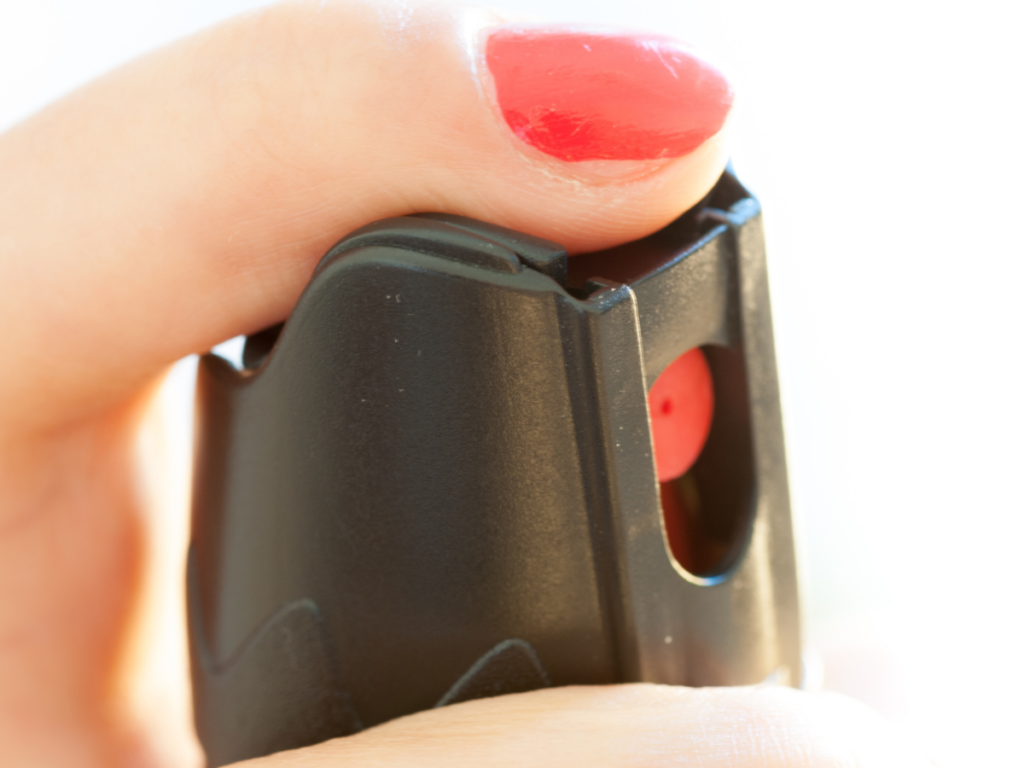
While awareness and route planning remain the foundation of personal safety, some people choose to carry personal protection devices for additional peace of mind. These tools are not a substitute for good judgment, but they can serve as part of a broader personal safety strategy when used responsibly and legally.
Among the most commonly recommended options are pepper spray, personal alarms, and self-defense keychains. Each serves a different purpose and may be appropriate depending on an individual’s comfort level, walking habits, and local regulations.
When combined with practical walking safety tips, these devices can help individuals feel more prepared while navigating urban environments.
Understanding Common Personal Safety Tools
Pepper spray is one of the most widely used self-defense products because it is compact, easy to carry, and designed to temporarily incapacitate an attacker, allowing time to create distance and seek help. Many walkers choose pepper spray because it offers a non-lethal option that can be accessed quickly in an emergency.
Personal alarms work differently. Rather than physically deterring a threat, they emit a loud sound intended to draw attention and alert nearby people. In crowded or populated areas, this sudden noise can discourage unwanted behavior and increase the likelihood that others will notice a developing situation.
Self-defense keychains are another popular option due to their portability and convenience. Because they are often attached to everyday items, they can be easily accessed when needed. However, users should understand how to use any self-defense tool safely and responsibly before carrying it.
What Self-Defense Tools Are Legal In Georgia?
Anyone considering personal protection devices should first become familiar with Georgia’s laws regarding self-defense products. Pepper spray is generally legal for personal protection, making it a common choice among individuals seeking additional security while walking.
Personal alarms are also widely permitted and can be carried without many of the restrictions associated with other defensive tools. Their primary purpose is to attract attention rather than physically engage with a threat, making them a practical option for many people.
Because laws can change over time and certain restrictions may apply, it is always wise to review current state and local regulations before purchasing or carrying any self-defense device.
How To Choose The Right Personal Alarm
Not all personal alarms are created equal. When selecting one, look for a model that produces a loud, attention-grabbing sound and can be activated quickly under stress. Simplicity matters. A device that is difficult to operate may not be useful during an emergency.
Battery life is another consideration. Regularly testing and maintaining the alarm ensures it will function properly if needed. Some models also include additional features such as flashing lights, which can improve visibility and attract attention at night.
Using Pepper Spray Safely And Effectively
If you choose to carry pepper spray, take time to learn how it works before relying on it. Many manufacturers provide training materials or practice instructions that can help users become familiar with proper handling and deployment.
Choose a product with a safety mechanism that helps prevent accidental discharge while still allowing quick access when necessary. It is also important to store the device properly and check expiration dates periodically to ensure reliability.
Like any personal safety tool, pepper spray is most effective when paired with situational awareness. Knowing when to create distance, seek assistance, and avoid dangerous situations remains one of the most valuable walking safety tips available.
Combining Tools With Smart Safety Habits
Personal protection devices can provide an additional layer of confidence, but they work best as part of a comprehensive safety approach. The most effective walking safety tips still include staying alert, choosing well-lit routes, avoiding distractions, and trusting your instincts.
By combining practical safety habits with appropriate personal protection tools, Atlanta residents can better prepare themselves for a variety of situations while maintaining confidence and peace of mind during their daily walks.
How Do Georgia’s Self-Defense Laws Impact Personal Protection While Walking?

Understanding Georgia’s self-defense laws can help pedestrians make informed decisions about personal safety. While carrying certain self-defense tools may provide added peace of mind, it is important to understand both the legal requirements and the responsibilities that come with their use.
Knowing what is permitted under state law allows individuals to incorporate personal protection measures into their overall safety plan with greater confidence.
For many people, legal awareness is just as important as practical preparation. Alongside common walking safety tips such as staying alert, choosing well-lit routes, and avoiding distractions, understanding self-defense laws can help individuals respond appropriately if they ever face a threatening situation.
What Are The Legal Considerations For Carrying Self-Defense Devices In Atlanta?
Before carrying any self-defense tool, it is important to verify that it complies with Georgia law. While certain products are generally legal for personal protection, regulations may govern how they are carried, used, or possessed in specific locations.
For example, some individuals choose to carry pepper spray, personal alarms, or other non-lethal safety devices while walking.
However, carrying a device legally does not automatically mean it can be used in every circumstance. The context of the situation and whether a person reasonably believes they are facing a threat can influence how self-defense laws apply.
Because laws can change and exceptions may exist, reviewing current state and local regulations is always a good practice. Staying informed helps ensure that your personal protection strategy remains both effective and legally compliant.
Why Legal Knowledge Matters For Personal Safety
Many people focus on purchasing self-defense tools without fully understanding the laws that govern their use. Taking time to learn about self-defense regulations can prevent misunderstandings and help individuals make better decisions during stressful situations.
Knowing your rights and responsibilities can also increase confidence. When you understand what actions are legally justified and what tools are permitted, you are better equipped to respond calmly and appropriately if an incident occurs.
Legal awareness should be viewed as another component of personal preparedness, much like learning walking safety tips or creating an emergency response plan.
How Does Georgia Law Regulate Pepper Spray And Other Safety Tools?
Pepper spray is one of the most commonly carried personal protection devices because it is compact, affordable, and generally legal for self-defense purposes.
However, Georgia law may include requirements regarding the possession and use of such products, making it important to understand current regulations before carrying them.
Other personal safety tools, including alarms and certain self-defense accessories, may also be permitted under state law. These devices can provide an added layer of security without requiring extensive training or maintenance.
Regardless of the device chosen, responsible ownership is essential. Users should familiarize themselves with proper operation, safety precautions, and any legal restrictions that may apply. Carrying a tool without knowing how to use it effectively can limit its usefulness in an emergency.
Combining Legal Awareness With Practical Safety Habits
Personal protection devices should complement, not replace, good safety practices. The most effective walking safety tips still focus on prevention, awareness, and smart decision-making.
Choosing well-traveled routes, remaining aware of your surroundings, and trusting your instincts can help reduce the likelihood of encountering dangerous situations in the first place.
Self-defense tools are most effective when they are part of a broader personal safety strategy that includes preparation and situational awareness.
Staying Safe And Informed
Georgia’s self-defense laws play an important role in shaping how individuals approach personal protection while walking. Understanding what is legal, when self-defense may be justified, and how safety tools can be used responsibly helps create a more informed approach to personal security.
When combined with practical walking safety tips and strong situational awareness, legal knowledge can help Atlanta residents walk with greater confidence while remaining prepared for unexpected situations.
What Are The Safest Walking Routes And Neighborhood Profiles In Atlanta?
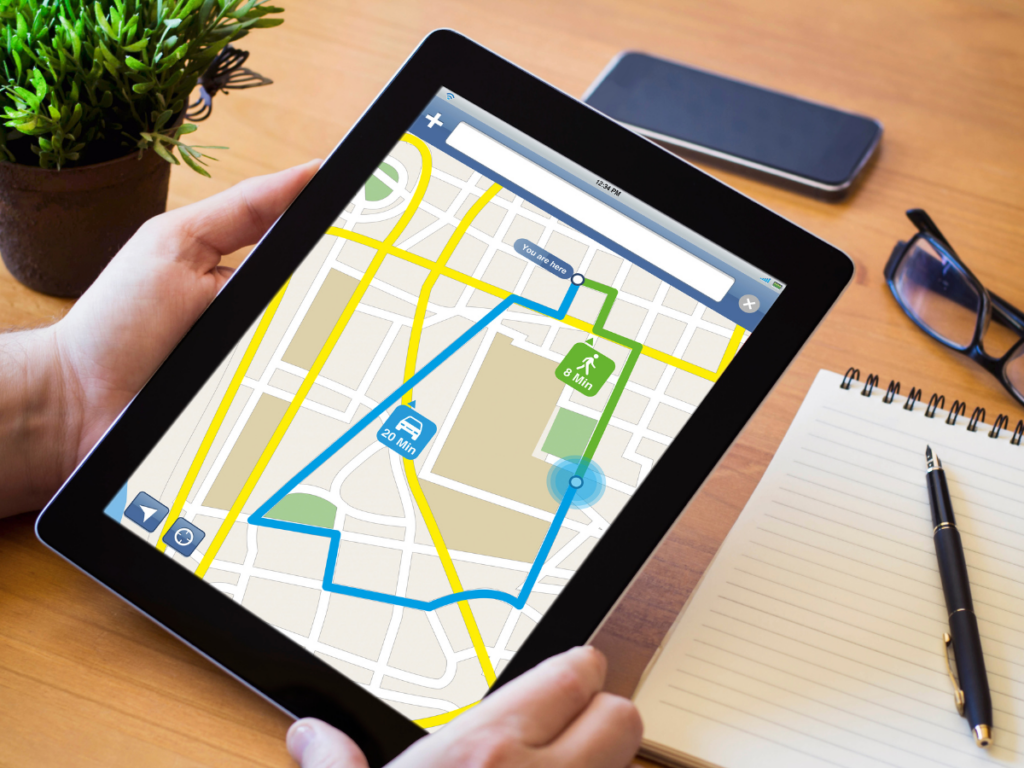
Choosing where to walk can be just as important as knowing how to stay safe while walking. Atlanta is home to many pedestrian-friendly neighborhoods, but safety conditions can vary from one area to another.
Understanding neighborhood characteristics and planning routes carefully can help reduce risk and make walking a more enjoyable experience.
One of the most practical walking safety tips is to think about your route before leaving home. Rather than focusing only on distance or convenience, consider factors such as lighting, pedestrian traffic, visibility, and the overall activity level of the area.
Well-planned routes can help you avoid unnecessary risks and increase your confidence while walking.
What Makes A Walking Route Safer?
A safe walking route is typically one that offers good visibility, regular foot traffic, and easy access to businesses or public spaces. Streets with active storefronts, restaurants, parks, and community gathering areas often feel safer because there are more people nearby.
Well-maintained sidewalks and clearly marked crosswalks also contribute to pedestrian safety. In addition to reducing the risk of accidents, these features make it easier to stay aware of your surroundings and navigate comfortably.
Lighting is another key consideration, particularly for early morning or evening walks. Routes with consistent street lighting can improve visibility and help pedestrians identify potential hazards more easily.
How To Use Crime Data When Planning Routes
Modern technology has made it easier than ever to evaluate neighborhood safety. Crime mapping tools and public safety resources can provide valuable information about recent incidents in specific areas. While no map can predict future events, these tools can help you identify patterns and make more informed decisions.
When reviewing crime data, look for overall trends rather than focusing on isolated incidents. A single event does not necessarily make an area unsafe, but repeated patterns may indicate locations where extra caution is appropriate.
Combining local crime information with common walking safety tips can help create a more balanced and practical approach to personal safety.
Why Community Engagement Matters
Neighborhoods with strong community involvement often provide a greater sense of security for residents and visitors alike. Active neighborhood associations, community events, and local safety initiatives can contribute to a more welcoming and watchful environment.
Getting involved with community resources can also provide valuable insights into local conditions. Residents often have firsthand knowledge about the safest routes, areas undergoing improvement, and locations that may be best avoided during certain times of day.
Neighborhood watch programs and community social media groups can serve as useful sources of information for people who regularly walk in a particular area.
Planning Routes For Different Times Of Day
The safest route during daylight hours may not be the safest choice after dark. Traffic patterns, business activity, and pedestrian volume can change significantly throughout the day.
If you regularly walk in the evening, take time to evaluate your route under nighttime conditions. Pay attention to lighting, visibility, and areas that become less populated after businesses close. In many cases, choosing a slightly longer route with more activity can provide additional peace of mind.
Having alternative routes available is another smart strategy. Construction, special events, or unexpected circumstances may require you to adjust your plans, so flexibility can be an important part of staying safe.
Combining Route Planning With Smart Safety Habits
Even the safest neighborhood benefits from good personal safety practices. Staying alert, limiting distractions, and remaining aware of your surroundings should always be part of your routine.
The most effective walking safety tips combine route planning with situational awareness. By selecting well-lit, populated paths and staying informed about local conditions, Atlanta residents can enjoy the benefits of walking while reducing potential risks.
Thoughtful preparation and informed decision-making go a long way toward creating a safer and more confident walking experience.
How Can Technology and Emergency Response Tools Improve Walking Safety in Atlanta?
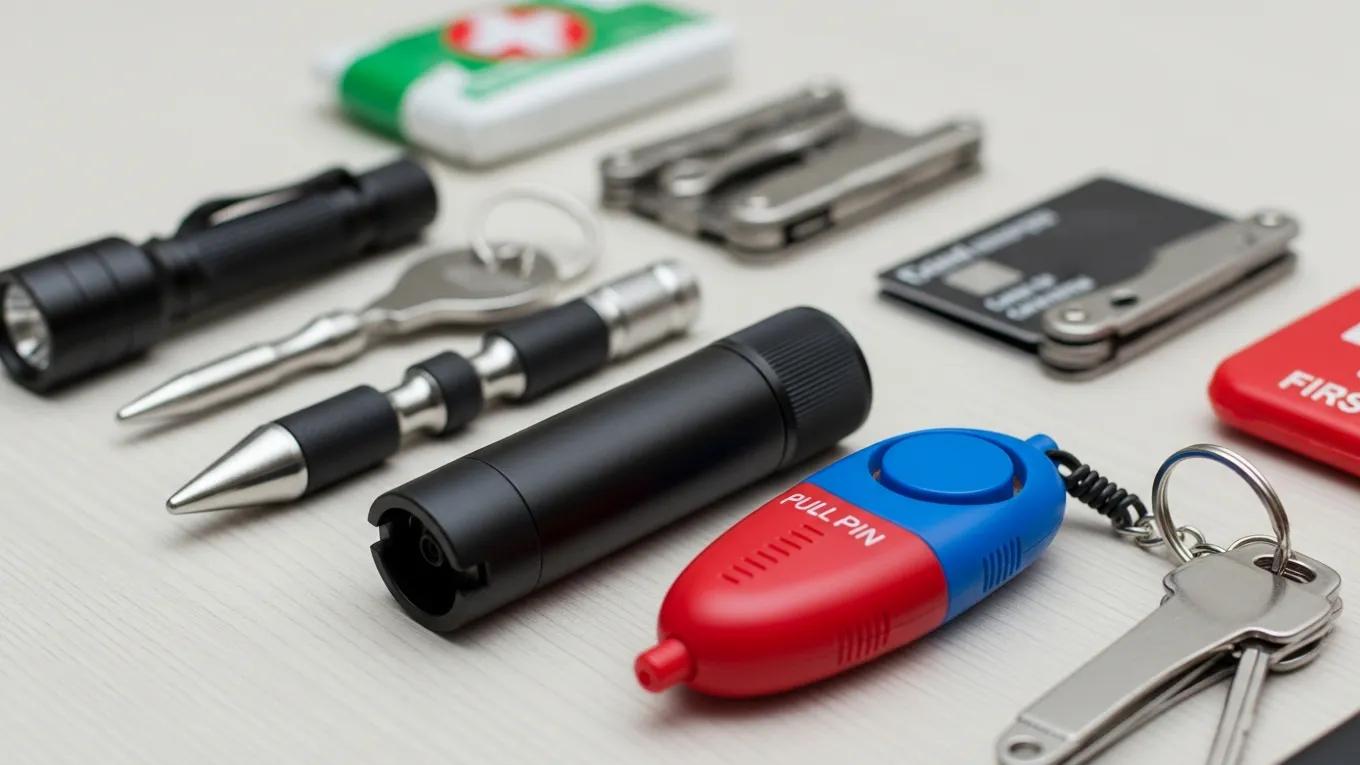
Technology has become an important part of personal safety, giving pedestrians access to information and assistance that wasn’t readily available just a few years ago.
From safety apps to location-sharing tools, modern technology can help walkers stay informed, connected, and prepared while navigating Atlanta’s streets.
While technology should never replace awareness and good judgment, it can complement other walking safety tips by providing real-time information and quick access to support when needed. When used thoughtfully, these tools can help reduce uncertainty and improve confidence while walking alone.
What Urban Safety Apps And Crime Prevention Technologies Are Available?
A variety of mobile applications are designed specifically to support personal safety. Some apps provide real-time crime alerts, allowing users to stay informed about incidents occurring near their location. Others offer neighborhood safety ratings, helping pedestrians evaluate routes before leaving home.
Navigation apps can also contribute to safer walking experiences by directing users through well-traveled streets and highlighting nearby businesses, public spaces, and transportation options.
For those who frequently walk alone, location-sharing features can provide an added sense of security by allowing trusted friends or family members to monitor their progress.
Many modern smartphones also include built-in safety features that allow users to quickly contact emergency services or send alerts to designated contacts. Taking the time to explore these features before an emergency occurs can be extremely valuable.
How GPS Tracking And Location Sharing Improve Safety
One of the most useful technological tools available today is GPS-based location sharing. When walking alone, particularly during evening hours or in unfamiliar areas, sharing your location with a trusted contact can provide reassurance for both you and your loved ones.
Location-sharing tools allow others to know your route and estimated arrival time. If something unexpected occurs, this information can help responders or family members act more quickly.
Combined with other walking safety tips, such as staying on well-lit routes and remaining aware of your surroundings, location sharing can be an effective part of a broader safety strategy.
How To Use Emergency Response Tools Effectively
Having access to emergency tools is only helpful if you know how to use them. Before relying on a safety app or emergency feature, take time to familiarize yourself with its functions. Learn how to activate alerts, contact emergency services, and share your location quickly.
Keeping your phone charged is equally important. A safety app or emergency contact feature cannot help if your device is out of power. Consider carrying a portable charger if you frequently spend long periods away from home.
It’s also a good idea to store emergency contacts in easily accessible locations within your phone. In stressful situations, every second counts, and quick access to important information can make a meaningful difference.
Additional Safety Tools To Consider
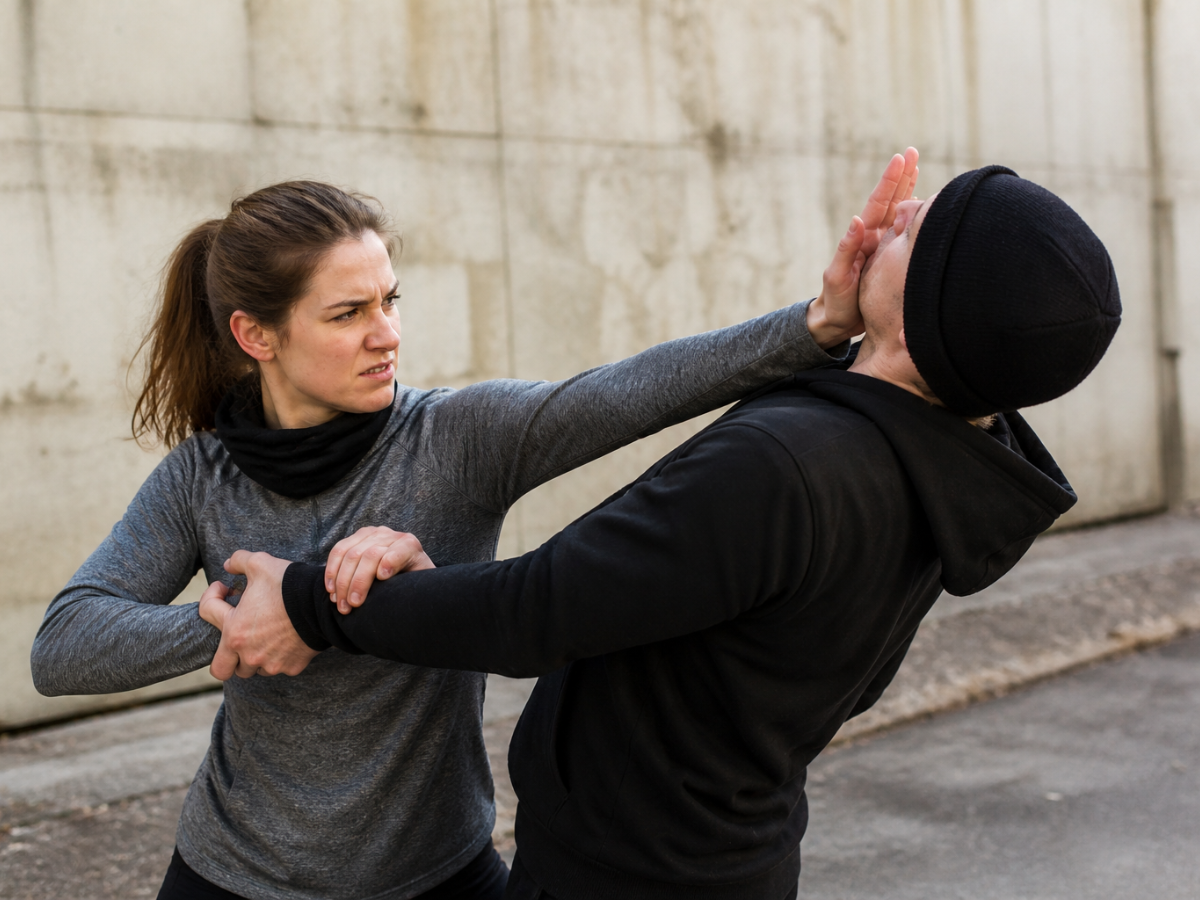
Technology is just one part of personal safety. Many walkers also carry personal alarms, which can emit a loud sound designed to attract attention during an emergency. Others choose to carry legally permitted self-defense tools or participate in self-defense training to build confidence and preparedness.
These tools work best when combined with strong situational awareness. Even the most advanced technology cannot replace the value of paying attention to your environment, trusting your instincts, and avoiding unnecessary risks.
Combining Technology With Smart Walking Habits
The most effective walking safety tips combine modern technology with practical everyday habits. Safety apps, GPS tracking, and emergency response tools can provide valuable support, but they are most useful when paired with thoughtful route planning and personal awareness.
By staying informed, keeping communication tools accessible, and understanding how emergency features work, Atlanta residents can take advantage of technology to enhance their personal safety.
A proactive approach that blends preparation, awareness, and modern tools can help create a safer and more confident walking experience in any urban environment.
Where Can You Find Expert Personal Safety Consulting And Private Investigation Services In Atlanta?
While many people rely on common walking safety tips such as staying alert and choosing well-lit routes, some situations call for a more personalized approach.
Individuals with specific concerns, whether related to personal security, stalking, workplace disputes, or repeated safety incidents, may benefit from professional guidance.
Atlanta is home to personal safety consultants and private investigators who specialize in helping individuals assess risks and develop practical strategies for staying safe.
These services go beyond general advice by evaluating a person’s unique circumstances and identifying potential vulnerabilities that may not be immediately obvious.
What Services Do Atlanta Private Investigators Offer For Personal Protection?
Private investigators are often associated with surveillance and background checks, but many also provide services focused on personal protection and risk assessment.
Depending on a client’s needs, they may conduct threat evaluations, verify information about concerning individuals, or help identify patterns that could affect personal safety.
In some cases, investigators assist clients who are dealing with harassment, suspicious activity, or ongoing security concerns. Their goal is to gather reliable information that can help individuals make informed decisions about their safety.
For people who frequently travel, walk alone, or have heightened security concerns, working with a professional can provide valuable insight into potential risks and practical ways to reduce them.
How Can Personal Safety Consulting Help Mitigate Urban Walking Risks?
Personal safety consultants focus on prevention. Rather than reacting to problems after they occur, they help clients build habits and strategies that reduce risk before an incident happens.
A consultation may include an evaluation of daily routines, walking routes, travel habits, and personal security practices. Based on these findings, consultants can recommend adjustments designed to improve safety without significantly disrupting everyday life.
Many consultants also provide training on situational awareness, conflict avoidance, and emergency decision-making. These skills can complement other walking safety tips by helping individuals recognize potential threats earlier and respond more effectively when something feels wrong.
Situational Awareness Techniques
One of the most valuable skills for urban walkers is situational awareness. This means actively paying attention to your surroundings rather than moving through an environment on autopilot.
Developing situational awareness starts with simple habits, such as scanning your environment regularly, noticing exits and safe public locations, and paying attention to unusual behavior. These practices help individuals identify potential concerns before they escalate.
Staying informed about local conditions can also improve awareness. Following community safety updates, monitoring neighborhood crime reports, and engaging with local organizations can provide useful information about changing conditions in areas you frequently visit.
Using Technology And Community Resources
Technology can play an important role in supporting personal safety. Crime mapping tools, neighborhood alert apps, and location-sharing features can help walkers stay informed and connected.
These resources allow users to identify potential problem areas, receive safety alerts, and share their location with trusted contacts when necessary.
Community involvement is another valuable resource. Neighborhood watch groups, local safety initiatives, and community meetings often provide practical information about emerging concerns and prevention strategies.
Participating in these programs can help residents stay informed while contributing to a safer environment for everyone.
Building A Comprehensive Safety Strategy
Professional consulting services, situational awareness training, technology, and community engagement all contribute to a more comprehensive approach to personal security. While no strategy can eliminate every risk, combining these resources can significantly improve confidence and preparedness.
For individuals looking to strengthen their personal security beyond basic walking safety tips, expert guidance can provide practical solutions tailored to their specific circumstances.
By taking a proactive approach and remaining aware of their environment, Atlanta residents can better navigate urban spaces while reducing potential risks.
Conclusion
Practicing good walking safety habits can help reduce risks and increase confidence when navigating Atlanta’s neighborhoods, parks, and public spaces.
Staying aware of your surroundings, planning routes in advance, avoiding distractions, and understanding basic personal safety strategies can all contribute to a safer experience whether you are walking during the day or after dark.
While no precaution can eliminate every risk, being proactive can go a long way toward protecting yourself and your loved ones. For professional security services and trusted safety expertise, choose 4Horsemen Investigation & Security.
Ready to learn more about protecting what matters most? Call (470) 681-9377 or visit our website to schedule your free consultation today.