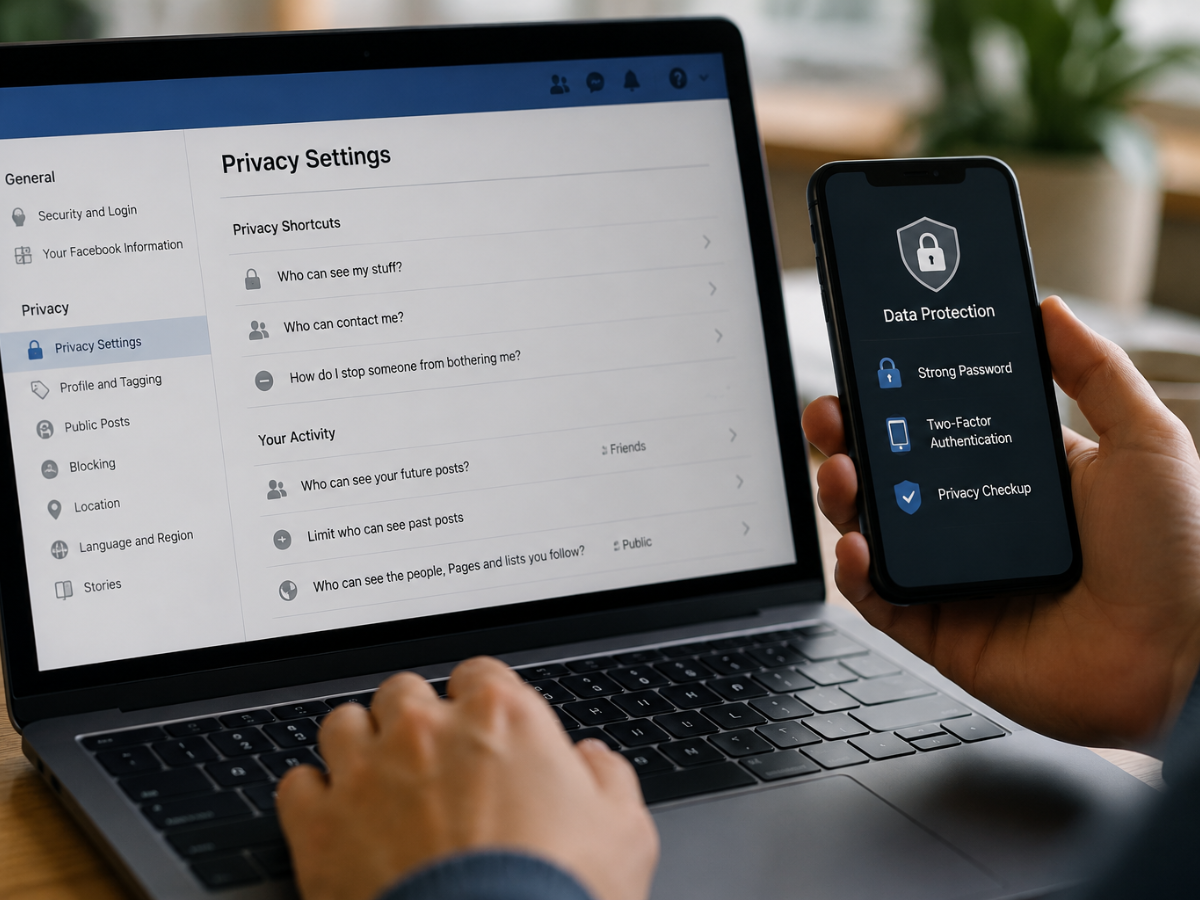
Every post, photo, and profile update shared online leaves behind more information than many people realize. Social media platforms make it easy to stay connected, but they also create opportunities for personal data to be collected, tracked, and misused if privacy settings and online habits are overlooked.
Understanding social media privacy is essential for protecting your information and maintaining better control over what others can access. From location sharing and account permissions to phishing attempts and third-party apps, small oversights can expose more personal data than intended.
With the right online data protection strategies, you can reduce privacy risks, strengthen account security, and use social media more confidently without giving away unnecessary personal information.
What to Know About Social Media Privacy and Online Safety
What Are the Key Risks of Data Sharing on Social Media Platforms?

Social media has become part of everyday life, making it easy to stay connected, share updates, and discover new content. However, many users underestimate how much personal information they share online and how that information can be collected, stored, and used.
Understanding the risks tied to social media privacy is important for protecting personal data and reducing exposure to online threats.
From identity theft to targeted scams, the consequences of oversharing online can extend far beyond social media platforms themselves. Even small pieces of information, when combined, can reveal more about a person than they intended to share.
How Do Social Media Platforms Collect And Use Personal Information?
Most social media platforms collect information directly from users during account creation and everyday activity. Basic details such as names, birthdays, locations, email addresses, and phone numbers are commonly requested when setting up profiles.
Beyond that, platforms also gather behavioral data based on how users interact with posts, ads, videos, and other accounts. This data collection often continues in the background.
Platforms track likes, comments, searches, clicks, and even the amount of time users spend viewing certain content. Cookies and tracking technologies may also monitor activity across websites and apps outside the social media platform itself.
The information gathered is typically used to personalize content and advertising. For example, users may begin seeing ads related to products they recently searched for or conversations they engaged with online.
While personalized experiences can feel convenient, they also raise concerns about transparency and how much control users truly have over their personal information.
Third-party apps connected to social accounts can create additional privacy concerns. Some apps request access to profile information, friend lists, location data, or messaging activity. Many users grant these permissions without reviewing how their data may be used or shared later.
What Are Common Social Media Privacy Risks?
One of the biggest concerns related to social media privacy is identity theft. Publicly shared details such as birthdays, hometowns, workplaces, or family names can give cybercriminals enough information to impersonate users or access sensitive accounts.
Phishing scams are also common on social media platforms. Fraudulent messages, fake login pages, and impersonation accounts are often designed to trick users into revealing passwords or financial information.
Because these scams may appear to come from trusted friends or recognizable companies, they can be difficult to identify at first glance. Location sharing presents another risk.
Posting real-time updates about vacations, daily routines, or current locations can unintentionally expose users to safety concerns. Criminals sometimes use publicly available information to target homes that appear vacant or gather details for future scams.
Even deleted posts may not fully disappear. Screenshots, archived data, and cached content can allow information to remain accessible long after users believe it has been removed. This is why many experts recommend thinking carefully before posting personal or sensitive information online.
What Happens During A Social Media Data Breach?
Data breaches occur when hackers gain unauthorized access to a platform’s systems or databases. Over the years, several major social media companies have experienced breaches that exposed millions of user accounts.
When a breach happens, stolen information can include usernames, passwords, email addresses, phone numbers, and private messages. In some cases, financial information or personal identification details may also be compromised.
The effects on users can be serious. Some people experience fraudulent charges, hacked accounts, or attempts to steal their identity. Others may become targets for phishing scams using information obtained from the breach.
Because of these risks, maintaining strong security habits is an essential part of protecting social media privacy. Using unique passwords for different accounts, enabling two-factor authentication, and reviewing privacy settings regularly can significantly reduce exposure to threats.
How Can Users Better Protect Their Social Media Privacy?
Protecting personal information online starts with being more intentional about what gets shared publicly. Reviewing account privacy settings, limiting access to personal details, and avoiding oversharing can help reduce unnecessary exposure.
It is also important to stay cautious when accepting friend requests, clicking unfamiliar links, or downloading third-party apps connected to social accounts. Many online scams rely on users acting quickly without verifying the source first.
As social media continues to evolve, awareness remains one of the most effective tools for staying safe online. Understanding how platforms collect and use information allows users to make smarter decisions about what they share and how they protect their digital presence.
How Can You Configure Privacy Settings on Major Social Networks?
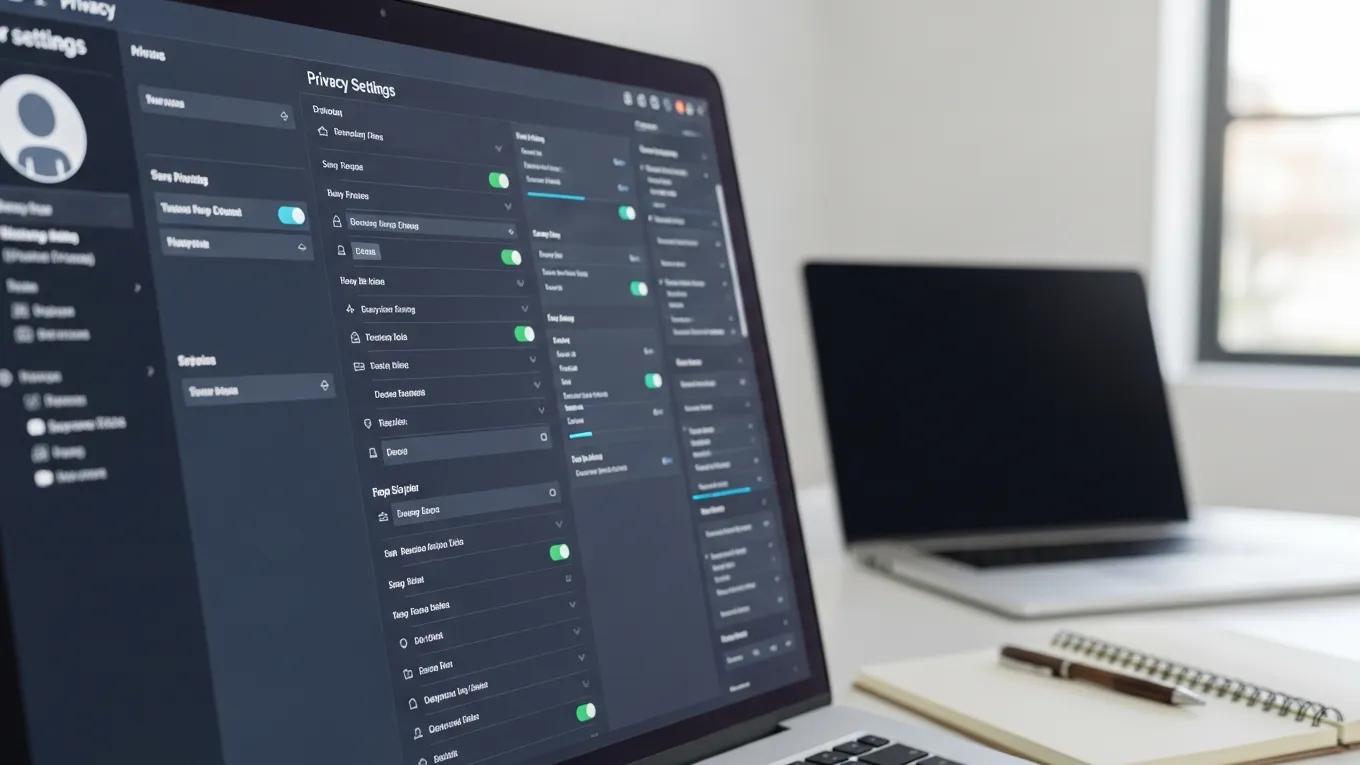
Managing privacy settings is one of the most effective ways to protect personal information online. Many people use social media every day without realizing how much of their data is visible to others by default.
Taking time to review account settings can significantly improve social media privacy and reduce the risk of unwanted exposure, scams, or data misuse.
Each platform offers different privacy controls, but the overall goal is the same: giving users more control over who can view their content, access their information, and interact with their accounts.
What Are The Best Privacy Controls For Facebook, Instagram, And Twitter?
Every major social media platform includes built-in privacy tools, but many users never fully customize them. Adjusting these settings can make a noticeable difference in protecting personal data and limiting public visibility.
On Facebook, one of the most important settings involves audience control. Users can choose whether posts are visible to the public, friends only, or a custom group of people.
Limiting public access to posts, photos, and personal details helps strengthen social media privacy while reducing the amount of information available to strangers. It is also a good idea to hide friend lists and review tagged posts before they appear on your profile.
Instagram offers a simpler but effective option through private accounts. When an account is set to private, only approved followers can view posts, stories, and reels. This creates an extra layer of control over who can access personal content.
Instagram users should also review story-sharing settings, message permissions, and location tagging habits to avoid unintentionally sharing too much information.
Twitter, now known as X, includes a “Protect Your Posts” setting that limits visibility to approved followers only. This feature prevents public access to tweets and helps users maintain greater control over conversations and shared content.
Users can also restrict direct messages, disable location sharing, and manage discoverability settings connected to phone numbers or email addresses.
While the platforms differ slightly, the overall strategy remains consistent. The fewer people who have unrestricted access to your information, the easier it becomes to maintain stronger social media privacy.
How To Manage Third-Party App Permissions And Data Sharing?
Third-party applications are often overlooked when discussing online privacy, but they can create serious risks if left unmanaged.
Many apps request access to social media accounts for convenience features such as games, quizzes, scheduling tools, or shopping integrations. Over time, users may forget which apps they connected or what permissions were granted.
Reviewing connected apps regularly is an important part of protecting personal data. Most social media platforms allow users to see which third-party services currently have access to their accounts.
Removing apps that are no longer used helps reduce unnecessary data sharing and lowers the chances of unauthorized access. Some apps request extensive permissions that go beyond what they actually need.
For example, a simple photo-editing app may ask for access to contacts, messages, or profile details unrelated to its primary function. Carefully reviewing permission requests before approving them can prevent excessive data collection.
It is also important to pay attention to login methods. Many websites offer the option to “Continue with Facebook” or “Sign in with Google.”
While convenient, these shortcuts may allow additional data sharing between services. Using separate login credentials for external sites can sometimes offer better privacy control.
Why Regular Privacy Reviews Matter
Privacy settings are not something users should configure once and forget about. Social media platforms frequently update their policies, features, and default settings, sometimes changing how information is shared without users realizing it.
Performing regular privacy reviews helps ensure accounts remain secure and aligned with personal comfort levels. Checking who can see posts, reviewing connected devices, updating passwords, and enabling two-factor authentication are all smart habits that support better social media privacy.
Online privacy is becoming increasingly important as more personal information is shared digitally. By actively managing account settings and limiting unnecessary data access, users can enjoy social media while maintaining greater control over their personal information and online presence.
What Legal Frameworks Govern Social Media Data Privacy?
As concerns about online data collection continue to grow, governments around the world have introduced laws designed to protect personal information.
These legal frameworks help regulate how companies collect, store, share, and use consumer data. For users, understanding these protections is an important part of maintaining stronger social media privacy and making informed decisions online.
While laws vary depending on location, many modern privacy regulations focus on transparency, user consent, and giving individuals greater control over their personal information.
How Do GDPR And CCPA Protect Your Personal Information?
Two of the most influential privacy laws today are the General Data Protection Regulation (GDPR) in the European Union and the California Consumer Privacy Act (CCPA) in the United States.
Both laws were created in response to growing concerns about digital tracking, targeted advertising, and large-scale data collection by online platforms.
The GDPR is widely considered one of the strictest privacy regulations in the world. It requires companies to clearly explain how personal data is collected and used, and it gives individuals the right to access, correct, or delete their information.
Businesses operating within the European Union must also obtain proper consent before collecting certain types of data. One of the most important aspects of GDPR is its emphasis on user control.
Individuals can request copies of the information companies hold about them and ask organizations to stop processing their data in some situations. This has significantly influenced how global companies approach social media privacy and data protection policies.
The CCPA offers similar protections for California residents. Under this law, consumers have the right to know what personal information businesses collect and whether that information is shared or sold to third parties. Users can also request deletion of their data and opt out of certain forms of data sharing.
Although GDPR and CCPA differ in scope and enforcement, both laws push companies toward greater accountability and transparency. They also encourage users to become more aware of how their personal information moves across digital platforms.
Why These Privacy Laws Matter For Social Media Users
Social media platforms collect enormous amounts of user data every day. This includes profile details, browsing activity, location information, search history, interactions, and behavioral patterns. Without legal protections, users would have far less visibility into how that information is used behind the scenes.
Privacy laws help establish boundaries around data collection practices. They require companies to explain their policies more clearly and provide options for users to manage their information.
This is especially important as social media privacy becomes more closely connected to issues such as targeted advertising, algorithmic recommendations, and online tracking.
These laws have also influenced platform features directly. Cookie consent pop-ups, downloadable account data, and privacy dashboards are all examples of tools introduced partly because of evolving legal requirements.
For businesses, compliance failures can lead to major financial penalties and reputational damage. As a result, many companies have strengthened their security practices and revised their privacy policies to meet stricter standards.
What Rights Do Users Have Under Modern Data Privacy Laws?
Current privacy regulations generally provide users with several core rights related to their personal information. One of the most important is the right to access data. This allows individuals to request copies of the information companies have collected about them.
Users may also have the right to request corrections if information is inaccurate or incomplete. In some cases, individuals can ask companies to permanently delete their data, particularly if it is no longer necessary for the original purpose it was collected for.
Another important protection is data portability. This gives users the ability to transfer their information from one service provider to another more easily. Some laws also allow consumers to opt out of targeted advertising or the sale of personal information to third parties.
Understanding these rights can help users take a more active role in managing their digital footprint. As online platforms continue to evolve, legal protections will likely remain an essential part of the broader conversation around social media privacy and consumer data protection.
Which Tools And Techniques Enhance Social Media Security?
Protecting personal information online requires more than simply creating a strong password. As cyber threats become more sophisticated, users need multiple layers of protection to reduce the risk of unauthorized access and data theft.
Strengthening social media privacy often comes down to using the right security tools and developing safer online habits. Many social media platforms now offer built-in security features that are easy to activate but frequently overlooked.
Taking advantage of these tools can make a significant difference in protecting accounts and personal data.
How Does Two-Factor Authentication Improve Account Protection?
Two-factor authentication, commonly called 2FA, is one of the most effective ways to improve account security. Instead of relying only on a password, 2FA requires users to verify their identity through a second step before accessing their account.
In most cases, this second step involves entering a temporary verification code sent through a text message, authentication app, or email. Even if a hacker manages to steal a password, they would still need access to the second verification method to log in successfully.
This added layer of protection is especially important for social media accounts connected to financial information, business pages, or large personal networks. Social media privacy becomes much harder to compromise when multiple verification steps are in place.
Authentication apps are generally considered safer than text message verification because they are less vulnerable to SIM-swapping scams. Popular apps such as Google Authenticator or Microsoft Authenticator generate time-sensitive login codes directly on the user’s device.
Many platforms also allow users to review login activity, connected devices, and recent security events. Monitoring this information regularly can help identify suspicious activity early, before larger problems develop.
Why Strong Password Habits Still Matter
While two-factor authentication adds valuable protection, passwords remain the first line of defense for most online accounts. Weak or reused passwords continue to be one of the most common causes of account breaches.
Using unique passwords for every platform greatly reduces the risk of multiple accounts being compromised at once. Password managers can help users generate and securely store complex passwords without needing to memorize each one.
It is also important to avoid using easily guessed details such as birthdays, pet names, or common words. Strong passwords typically include a combination of uppercase letters, lowercase letters, numbers, and special characters.
Regularly updating passwords can further improve social media privacy, especially after news of a data breach or suspicious login attempt.
What Role Does Data Encryption Play In Securing Your Information?
Data encryption is another essential part of online security. Encryption works by converting information into unreadable code while it is being transmitted or stored. Only authorized parties with the correct decryption key can access the original information.
This process helps protect sensitive data from hackers, especially during online communication or account logins. Many major social media platforms use encryption to secure private messages, login credentials, and payment information.
Encryption is particularly important when using public Wi-Fi networks, where cybercriminals may attempt to intercept unprotected data. Secure websites and apps typically use encrypted connections identified by “https” in the browser address bar.
Although encryption operates mostly behind the scenes, it plays a major role in maintaining social media privacy and protecting users from data theft.
What Additional Security Practices Help Protect Social Media Accounts?
Beyond passwords and encryption, several everyday habits can improve online security. Avoiding suspicious links, reviewing app permissions, and keeping devices updated all help reduce vulnerabilities.
Users should also be cautious about what they share publicly. Personal details such as phone numbers, addresses, travel plans, or financial information can increase exposure to scams and identity theft.
Regular privacy checkups are another smart habit. Social media platforms often update their settings and policies, which can change how information is shared. Reviewing account settings every few months helps ensure personal data remains protected.
Strong digital security is rarely built around a single tool. Instead, it comes from combining multiple protections that work together to support better social media privacy and safer online experiences.
What Emerging Trends Are Shaping The Future Of Social Media Privacy?
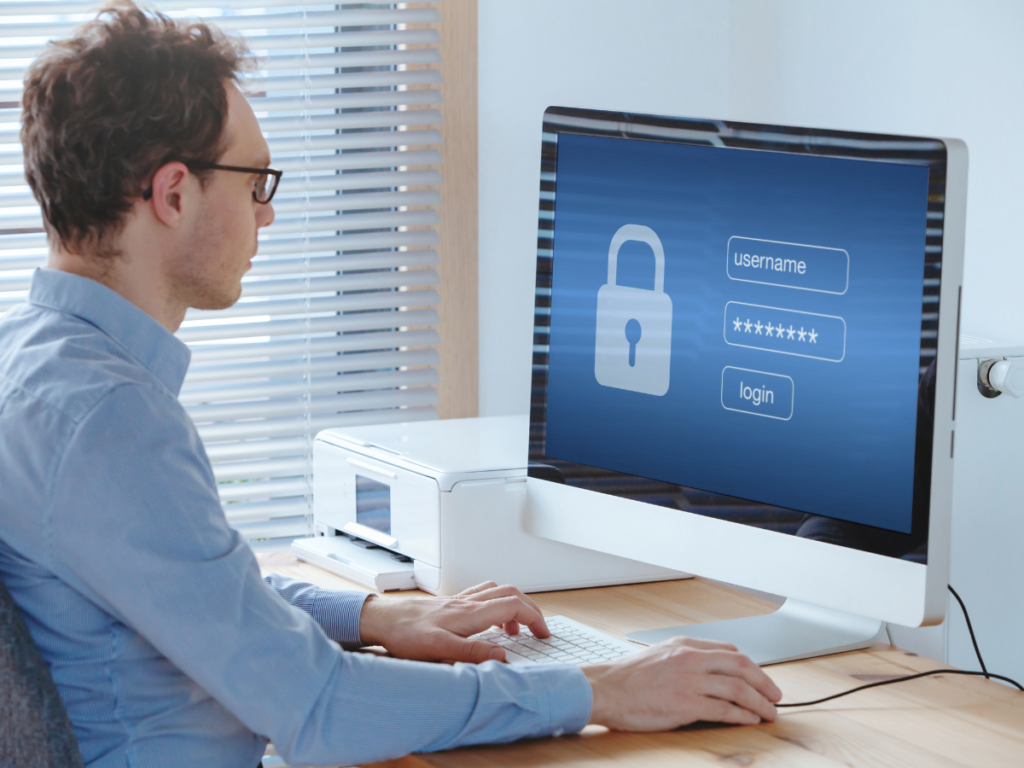
Social media privacy continues to evolve as technology companies, lawmakers, and users become more aware of the risks tied to personal data collection.
In recent years, growing concerns about surveillance, targeted advertising, identity theft, and large-scale data breaches have pushed both businesses and consumers to rethink how information is handled online.
As a result, new technologies and privacy-focused approaches are beginning to reshape the future of digital security. These developments aim to give users more control over their personal information while reducing dependence on centralized systems that store massive amounts of data.
How Are Decentralized Identity And Privacy By Design Changing Security?
One of the biggest shifts in online security involves decentralized identity systems. Traditional social media platforms store user information on centralized servers controlled by a single company.
While convenient, this structure creates large targets for cybercriminals because millions of accounts may be exposed if a breach occurs.
Decentralized identity systems work differently by allowing individuals to manage and control their own digital identities. Instead of relying entirely on one platform to verify personal information, users can store credentials securely and choose exactly what information they want to share.
This approach reduces unnecessary data exposure and strengthens social media privacy by limiting how much information companies retain.
Privacy by design is another growing concept influencing the future of online platforms. Rather than treating privacy as an afterthought, privacy by design encourages developers to build security protections directly into apps, websites, and digital services from the beginning.
This can include features such as automatic encryption, limited data collection, stronger consent tools, and simplified privacy controls. The goal is to create systems that naturally prioritize user protection instead of requiring people to manually opt out of invasive tracking later.
Many companies are also moving toward shorter data retention policies, meaning user information is stored for less time unless it is genuinely needed. These changes reflect a broader shift toward more transparent and user-focused digital environments.
What New Technologies Are Being Developed To Protect User Data?
Several emerging technologies are expected to play a major role in improving online security and social media privacy over the next few years.
Blockchain technology is one of the most discussed innovations in this space. Because blockchain stores information across a distributed network rather than a single centralized database, it can reduce the risk of large-scale breaches and unauthorized tampering.
Some developers are exploring blockchain-based identity systems that allow users to verify information without handing over unnecessary personal details. Advanced encryption methods are also becoming more sophisticated.
End-to-end encryption, which protects messages so only the sender and recipient can read them, is increasingly being adopted across messaging platforms and social apps.
This technology helps prevent outside parties from intercepting private conversations or sensitive information. Artificial intelligence is also being used in privacy protection, although it presents both opportunities and challenges.
AI-powered security tools can identify suspicious login attempts, phishing scams, and unusual account behavior much faster than traditional systems. At the same time, concerns remain about how AI systems themselves collect and process personal data.
Another important trend is the rise of privacy-focused browsers, search engines, and social platforms. These services market themselves as alternatives to traditional platforms by limiting tracking, reducing ad targeting, and collecting less personal information overall.
Why The Future Of Social Media Privacy Matters
As digital platforms become more integrated into everyday life, the importance of protecting personal information continues to grow. Users are becoming more aware of how their data is collected and are increasingly demanding better transparency and stronger protections.
Future developments in social media privacy will likely focus on giving individuals greater ownership of their information while reducing excessive data collection practices. Businesses that prioritize privacy and security may also gain stronger consumer trust as awareness around digital safety increases.
Although technology continues to evolve rapidly, the overall direction is becoming clearer. Privacy is no longer viewed as a secondary feature. It is increasingly becoming a central part of how digital platforms are designed, regulated, and used.
How Can You Monitor And Maintain Your Social Media Privacy Over Time?
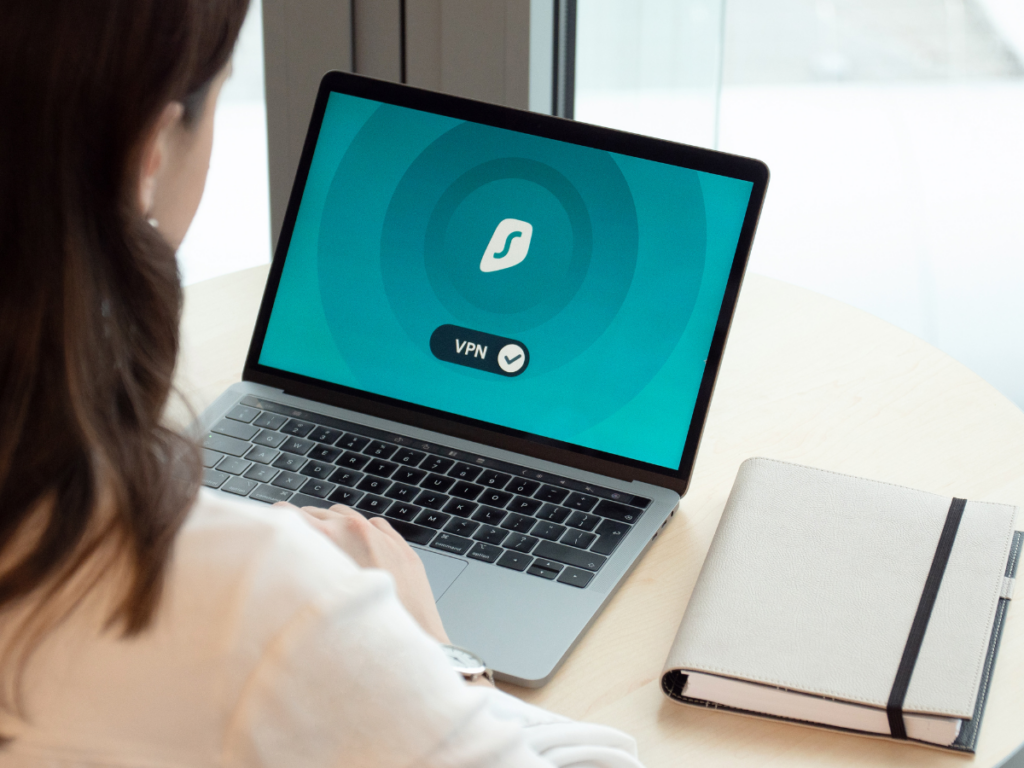
Protecting personal information online is not something you do once and forget about. Social media platforms constantly update their features, policies, and privacy settings, which means users need to stay proactive if they want to maintain strong social media privacy over time.
Many people tighten their account settings after hearing about a data breach or online scam, but long-term privacy protection requires consistent attention. Small habits, such as reviewing account permissions or monitoring login activity, can make a significant difference in reducing digital risks.
What Are Effective Strategies For Regular Privacy Audits?
A privacy audit is essentially a routine checkup for your online accounts. It helps identify outdated settings, unnecessary app permissions, and personal information that may be more public than intended.
One of the best places to start is by reviewing account visibility settings. Users should periodically check who can see their posts, photos, stories, friend lists, and profile details.
Social media platforms sometimes introduce new features or adjust default privacy settings automatically after updates, so settings that were once private may no longer remain that way.
Reviewing connected apps is another important step. Over time, many users authorize quizzes, games, shopping apps, scheduling tools, or third-party services without revisiting those permissions later.
Removing unused or unnecessary app connections helps strengthen social media privacy by limiting external access to personal information.
Checking login activity can also help identify suspicious behavior early. Most major platforms allow users to view devices currently logged into their account, including locations and login times. If an unfamiliar device appears, passwords should be changed immediately.
It is also a good idea to search your own profile publicly from time to time. This gives users a better understanding of what strangers or search engines can see about them online.
Why Reviewing Shared Content Matters
Older posts can sometimes reveal more personal information than users realize. Vacation photos, location check-ins, workplace details, family names, or personal milestones may seem harmless individually, but together they can create a detailed digital profile.
Reviewing older content allows users to remove outdated information or limit the audience for past posts. Some platforms also offer tools that automatically archive or bulk-manage older content, making long-term account maintenance easier.
Social media privacy is not only about preventing hacking attempts. It is also about controlling how much information is publicly accessible over time.
How To Stay Updated On Privacy Policy Changes And Data Breaches
Privacy policies are often lengthy and easy to ignore, but they can contain important changes related to data collection, advertising practices, and account security. Social media companies periodically update these policies, sometimes expanding how information is shared or used.
Staying informed helps users make better decisions about the platforms they use. Following official platform announcements, cybersecurity blogs, or reputable technology news sources can provide early warnings about policy changes or emerging threats.
Data breaches are another major concern. When a platform experiences a breach, stolen information may include usernames, passwords, email addresses, phone numbers, or private messages. In some cases, users may not realize their information was exposed until months later.
Monitoring trusted breach notification services can help users respond quickly if their accounts are affected. If a breach occurs, changing passwords immediately and enabling two-factor authentication can reduce the risk of additional compromise.
Why Long-Term Privacy Habits Matter
Online privacy is constantly evolving, and digital threats continue to become more sophisticated. Maintaining strong social media privacy requires ongoing awareness rather than one-time fixes.
Simple habits such as updating passwords regularly, reviewing privacy settings, limiting public sharing, and monitoring account activity can dramatically improve online safety over time.
While no platform is completely risk-free, users who stay informed and proactive are far better positioned to protect their personal information in an increasingly connected world.
Conclusion
Protecting your personal information online has become more important than ever as social media platforms continue to collect, share, and store large amounts of user data.
Taking steps to strengthen your social media privacy, such as updating security settings, limiting shared information, and monitoring suspicious activity, can help reduce the risk of scams, identity theft, and unwanted exposure.
For individuals and businesses seeking additional protection and professional security guidance, 4Horsemen Investigation & Security offers trusted investigative and security services tailored to modern digital and personal safety concerns.
To learn more or schedule a free consultation, call (470) 681-9377 or fill out our website form today.