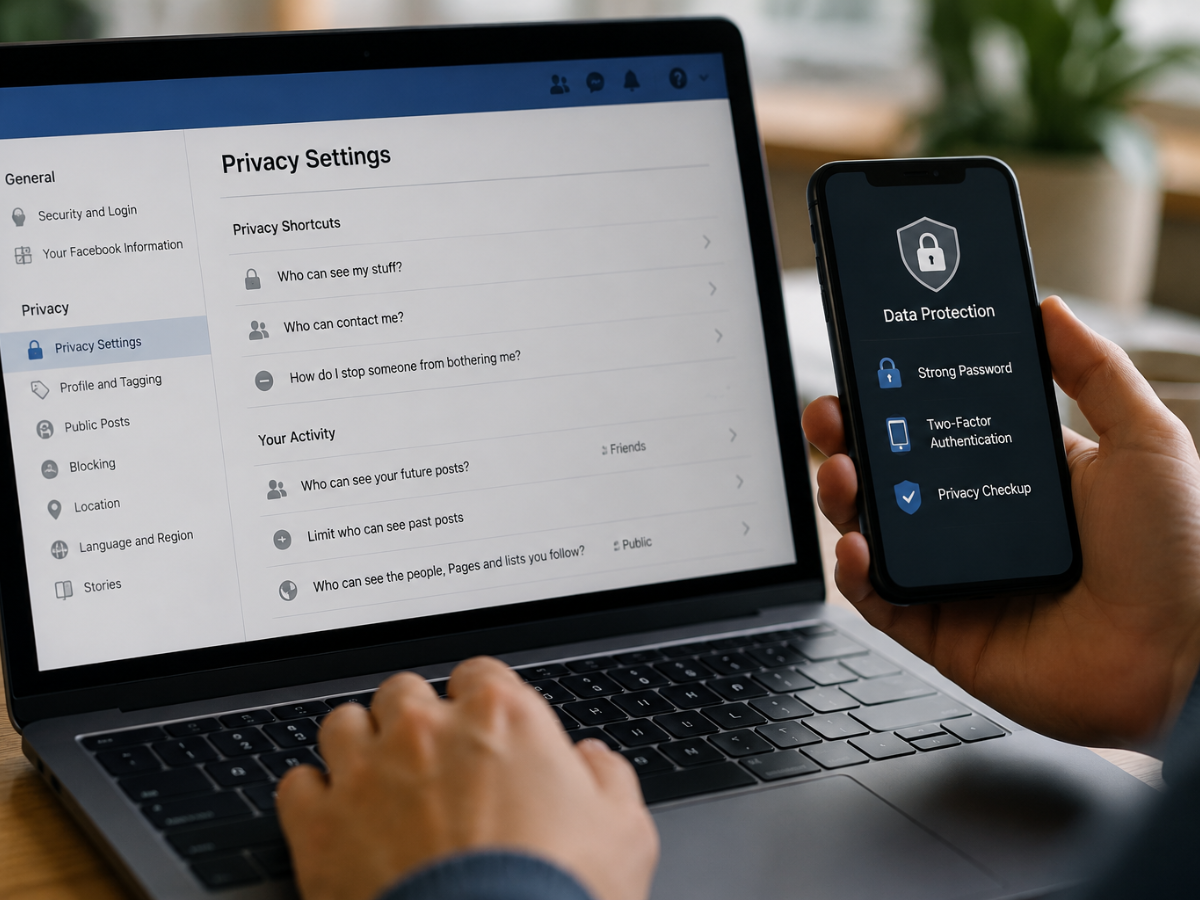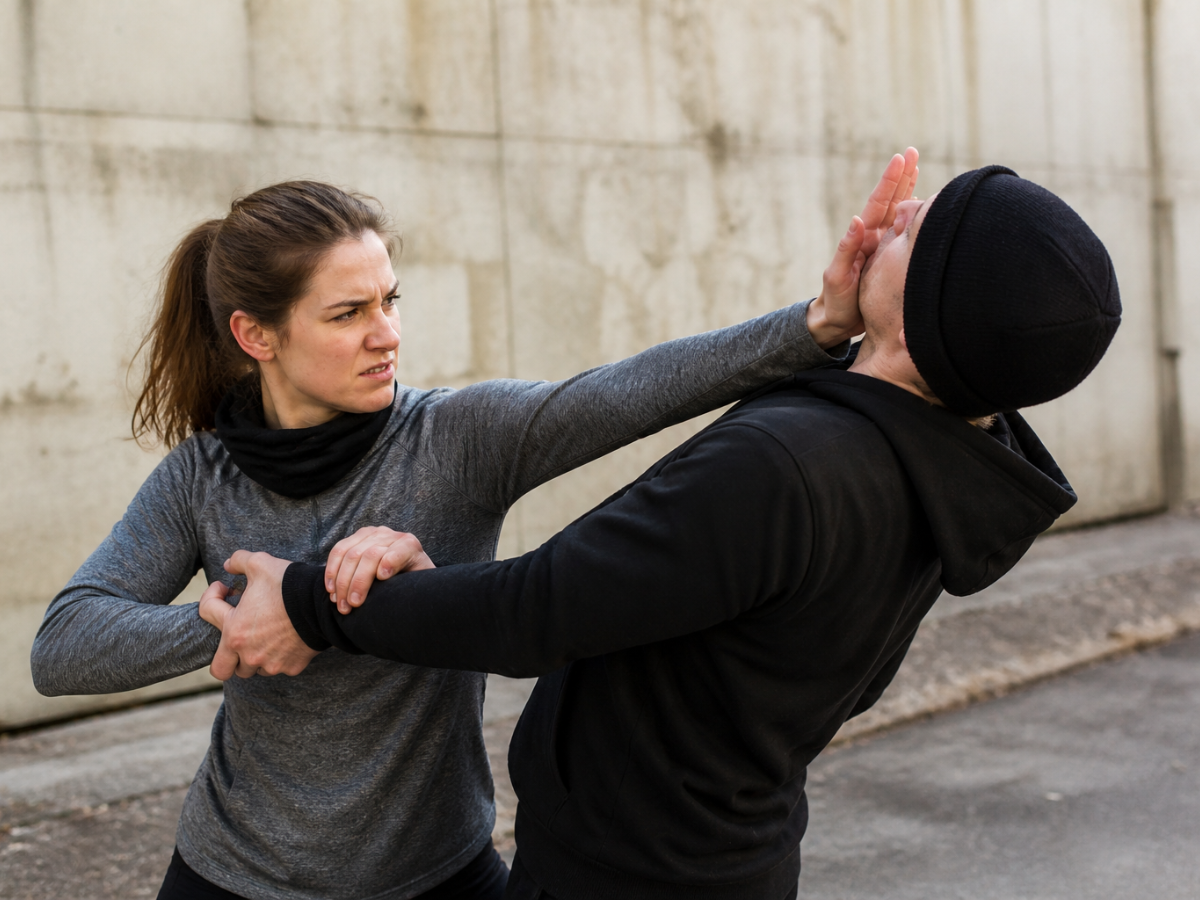
Choosing the right type of security presence can have a major impact on how safe and comfortable a property feels. One of the most important decisions businesses and property owners face is whether armed or unarmed guards are the better fit for their environment.
The answer depends on the level of risk, the nature of the property, and the type of security challenges involved. Armed guards provide a stronger visible deterrent and are often used in higher-risk settings, while unarmed guards focus more on observation, access control, and customer interaction.
Each option comes with different responsibilities, training requirements, and advantages. Understanding the differences between armed and unarmed security helps organizations choose a solution that aligns with their safety needs, operational goals, and overall environment.
What to Consider Before Hiring Armed vs Unarmed Guards
Key Differences Between Armed And Unarmed Security Guards
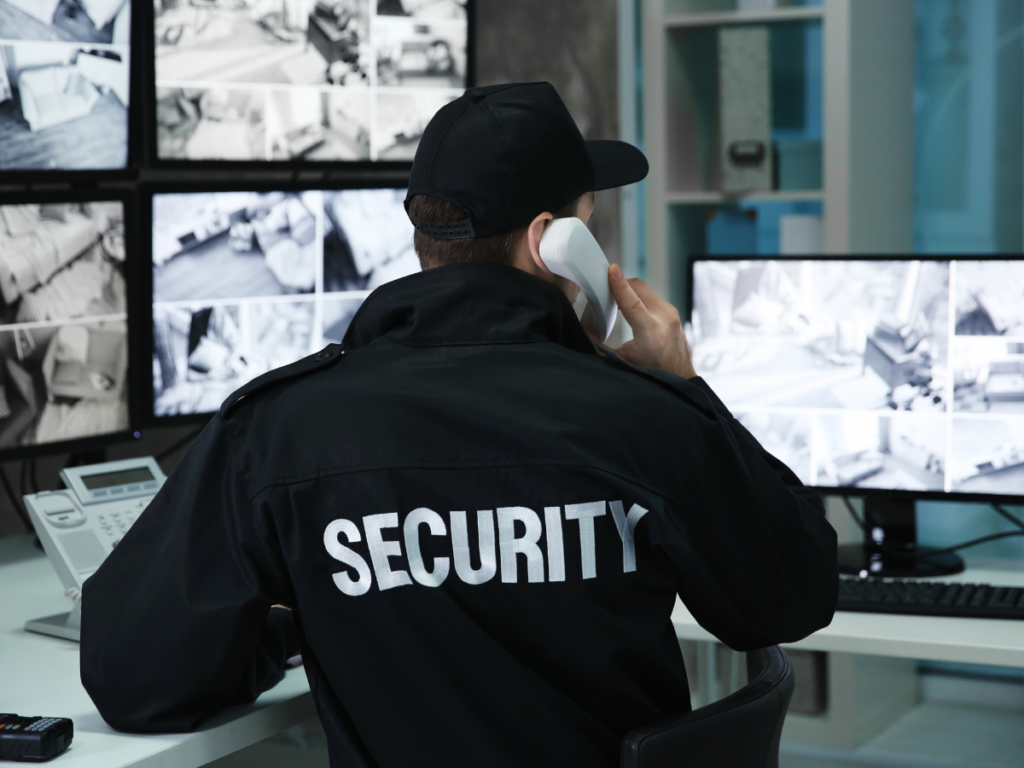
Choosing between armed and unarmed security personnel is not simply about deciding whether a firearm is necessary. The decision should be based on the level of risk, the nature of the property, the type of public interaction involved, and the overall security goals of the organization.
Understanding the differences between these two security approaches can help businesses make more informed decisions about protection, liability, and daily operations.
When evaluating armed vs unarmed guards, it is important to recognize that each serves a different purpose and is trained for different types of environments.
What Are The Key Differences Between Armed And Unarmed Security Guards?
The most obvious difference between armed and unarmed guards is the presence of a firearm, but the distinction goes much deeper than equipment alone.
Armed guards typically undergo more extensive training, licensing, and legal certification because they are expected to respond to higher-risk situations where the possibility of violence exists.
Armed guards are commonly stationed at locations such as banks, government facilities, high-value retail stores, hospitals, and certain large-scale events. Their presence is often intended to deter serious criminal activity and provide rapid response capabilities if a dangerous incident occurs.
Unarmed guards, by comparison, focus more heavily on visibility, monitoring, access control, customer interaction, and conflict de-escalation.
They are frequently used in office buildings, residential communities, retail centers, schools, and commercial properties where maintaining a calm and approachable atmosphere is important.
In many cases, the discussion around armed vs unarmed guards comes down to balancing deterrence with the environment’s daily operational needs.
How Do Roles And Responsibilities Differ Between Armed And Unarmed Guards?
The responsibilities assigned to security personnel often depend on the level of threat expected at a property. Armed guards are generally tasked with handling situations that could escalate into dangerous or violent encounters.
Their training may include firearm proficiency, emergency response procedures, threat assessment, and crisis management. Because of this, armed guards are often expected to make quick decisions under pressure.
Their role extends beyond observation and reporting, particularly in environments where high-value assets or sensitive operations are involved. Unarmed guards usually take a more preventative and service-oriented approach.
Their duties often include patrolling the property, monitoring surveillance systems, checking credentials, assisting visitors, documenting incidents, and responding to non-violent disturbances.
Strong communication skills are especially important for unarmed personnel because many situations can be resolved through calm interaction and visible presence alone. In lower-risk settings, this approach is often more appropriate and less intimidating for employees, customers, or residents.
Which Security Guard Type Fits Different Risk Environments?
Different properties require different levels of protection, which is why there is no universal answer in the armed vs unarmed guards discussion.
High-risk environments generally benefit from armed security. Facilities that handle cash, expensive merchandise, confidential information, or large crowds may require personnel capable of responding to severe threats.
For example, armored transport services, casinos, and certain industrial sites often rely on armed guards because the stakes are significantly higher if a security breach occurs.
Lower-risk properties may not require that level of force. In many commercial settings, unarmed guards provide more than enough protection through visibility, access management, and routine patrols.
Their presence alone can discourage theft, vandalism, trespassing, and unauthorized access without creating an overly aggressive atmosphere.
The nature of public interaction also matters. Retail centers, residential communities, and office buildings often prefer unarmed guards because they blend security with customer service more naturally.
Why Specific Security Requirements Matter
Every property has its own security priorities, operational concerns, and liability considerations. Factors such as crime rates, operating hours, public traffic, asset value, and emergency response expectations should all be evaluated before selecting security personnel.
Some businesses even use a combination of both approaches. For example, a property may rely on unarmed guards during normal business hours while maintaining armed security overnight or during special events.
Ultimately, understanding the differences between armed vs unarmed guards helps organizations choose a security strategy that matches their actual risks instead of relying on a one-size-fits-all solution.
Effectiveness, Risk Assessment, And Situational Suitability
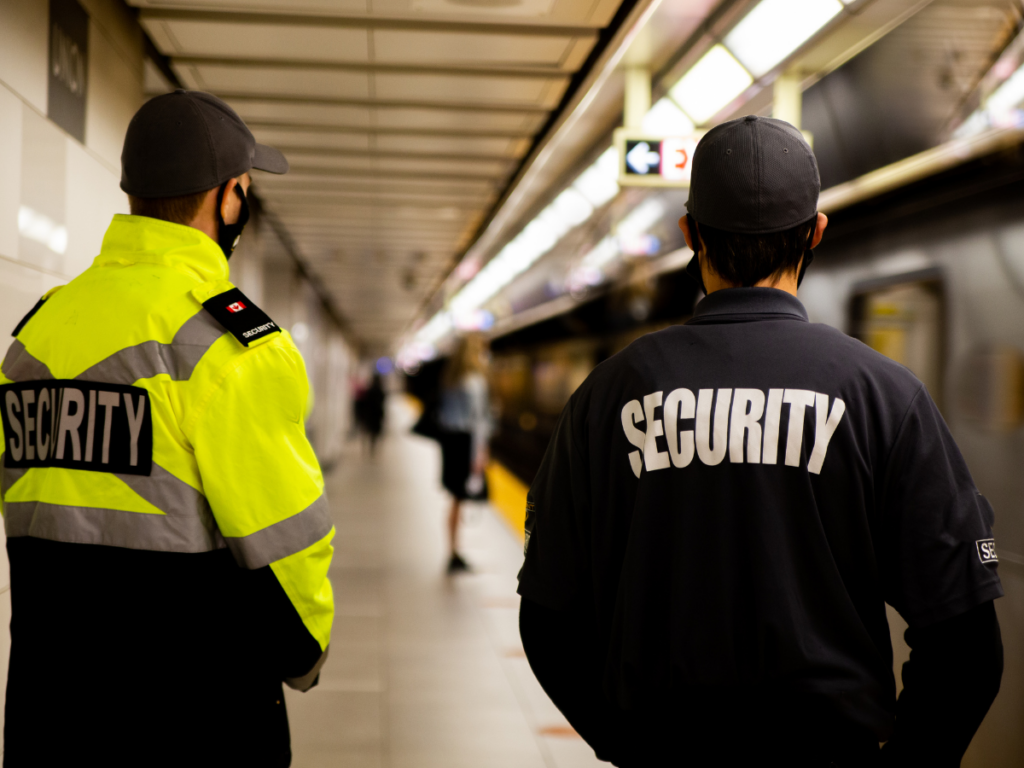
Choosing between armed and unarmed security personnel requires more than a general preference for visible protection. The right decision depends on how well the security strategy matches the actual risks of the environment.
Businesses that carefully evaluate threats, property type, public interaction, and emergency response needs are more likely to choose security solutions that are both effective and practical.
The conversation around armed vs unarmed guards often centers on deterrence, but effectiveness also depends on how security personnel interact with the people and situations around them.
When Are Armed Guards More Effective?
Armed guards are typically most effective in environments where the threat level is elevated or where valuable assets require stronger protection. Their visible presence alone can discourage criminal activity, particularly in locations where theft, violence, or targeted attacks are a concern.
Financial institutions, government buildings, high-profile events, cannabis dispensaries, and facilities handling sensitive materials often rely on armed personnel because these settings carry greater security risks. In these situations, armed guards are expected to respond quickly and decisively if a serious threat emerges.
One of the key differences in the armed vs unarmed guards discussion is response capability. Armed personnel are trained for situations where immediate intervention may be necessary, especially when law enforcement response times could create additional vulnerability.
However, effectiveness is not only about force. Armed guards must also exercise strong judgment, situational awareness, and communication skills. Their role involves balancing preparedness with professionalism while operating in high-pressure environments.
Why Risk Assessment Matters Before Choosing Security Personnel
A proper risk assessment is one of the most important steps when deciding between armed and unarmed security. Without evaluating actual risks, businesses may either overinvest in unnecessary security measures or underestimate potential threats.
Several factors should be reviewed during the assessment process. Property owners should consider the value of the assets being protected, the location’s crime history, hours of operation, customer traffic levels, and the likelihood of violent incidents.
For example, a warehouse storing expensive equipment overnight may require a different security approach than a daytime office building with controlled public access. Similarly, a retail store in a low-crime area may not benefit from the same level of security presence needed at a venue hosting large public gatherings.
Understanding these differences helps organizations align their security staffing with realistic operational needs rather than assumptions.
In Which Situations Are Unarmed Guards More Appropriate?
While armed security is important in certain settings, many environments are better served by unarmed personnel. Unarmed guards are often highly effective in locations where visibility, monitoring, customer interaction, and conflict de-escalation are the primary priorities.
Retail stores, schools, office complexes, residential communities, hotels, and medical offices commonly use unarmed guards because these environments benefit from a more approachable security presence.
In these situations, maintaining a calm and welcoming atmosphere is often just as important as preventing security incidents. Unarmed guards are trained to observe suspicious behavior, document incidents, enforce property rules, and handle minor disputes through communication rather than force.
Their ability to de-escalate situations can be especially valuable in customer-facing environments where tensions occasionally arise, but serious violence is unlikely.
Another important consideration in the armed vs unarmed guards decision is public perception. Some businesses intentionally avoid armed personnel because they do not want customers, tenants, or visitors to feel intimidated or uncomfortable.
How Situational Suitability Shapes Security Strategy
Security effectiveness ultimately depends on matching the guard type to the environment itself. Armed guards are generally better suited for high-risk properties where immediate threat response is critical, while unarmed guards often perform best in lower-risk settings focused on prevention, observation, and customer service.
In some cases, businesses may even combine both approaches. A property might use unarmed guards during regular operating hours and transition to armed security overnight or during special events with increased risk exposure.
By carefully evaluating situational needs, businesses can create a more balanced and effective security strategy while making informed decisions about armed vs unarmed guards.
Training, Licensing, And Legal Compliance
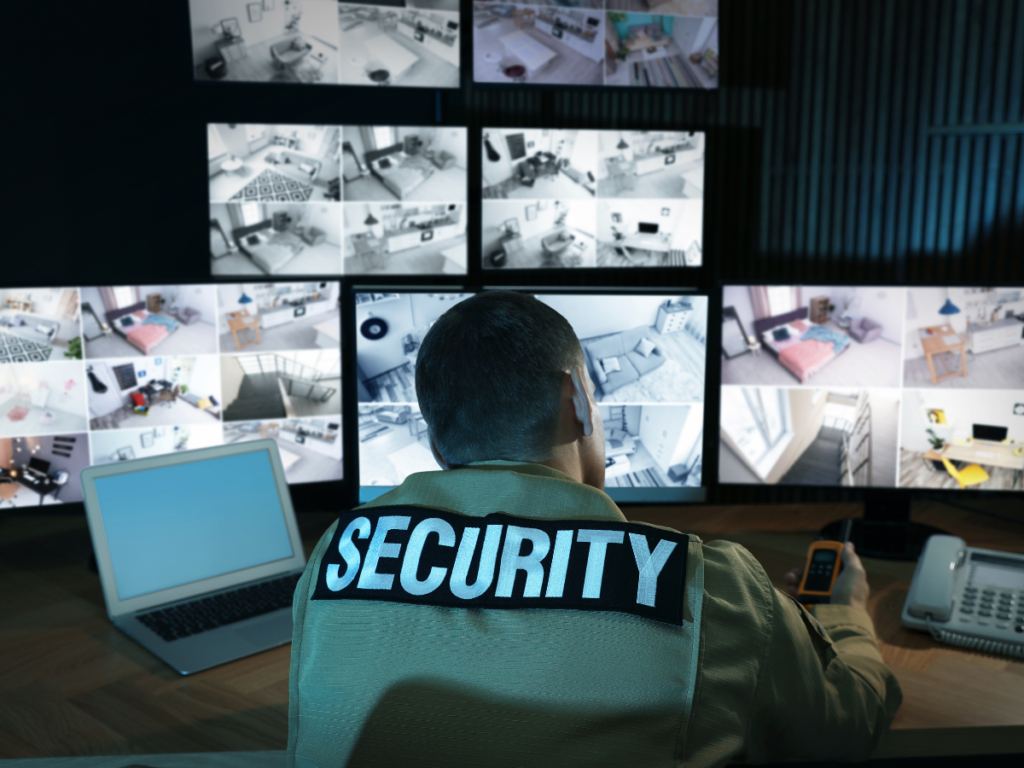
Choosing between armed and unarmed security personnel involves more than evaluating risk levels or visible deterrence. Businesses also need to understand the legal responsibilities, licensing standards, and liability concerns associated with each option.
Since regulations can vary significantly by state and industry, compliance plays a major role in the broader discussion around armed vs unarmed guards. Organizations that overlook training requirements or licensing obligations may expose themselves to legal complications, insurance issues, and operational risks.
For that reason, understanding the differences in certification and compliance standards is essential before hiring security personnel.
What Training And Licensing Are Required For Armed And Unarmed Security Personnel?
Training requirements for security personnel differ substantially depending on whether guards are armed or unarmed. Armed guards are generally required to complete more extensive instruction because they carry firearms and may need to respond to dangerous situations.
This training often includes firearm safety, defensive tactics, emergency response procedures, de-escalation strategies, and legal instruction regarding the appropriate use of force.
Many jurisdictions also require recurring certification and periodic requalification to ensure armed personnel remain compliant with state laws. Unarmed guards typically complete training focused on observation skills, incident reporting, communication, patrol procedures, and conflict management.
While their responsibilities are different, proper training is still important because unarmed guards are often the first point of contact during security incidents. The difference in preparation is one of the key factors businesses consider when evaluating armed vs unarmed guards for a specific property or event.
What Firearms Training And Certification Do Armed Guards Need?
Armed guards are usually subject to strict firearms certification requirements before they are legally permitted to work in armed positions. These courses often include both classroom instruction and practical range training.
Firearms training generally covers weapon handling, safe storage procedures, marksmanship, legal limitations, and decision-making under pressure.
In many states, armed guards must also pass background checks, psychological screenings, or additional licensing reviews before receiving approval to carry a firearm while on duty.
Because regulations differ between jurisdictions, businesses should verify that all armed personnel maintain valid certifications and remain compliant with local laws. Some states require annual renewals or ongoing continuing education to maintain licensing status.
Organizations that fail to confirm these credentials may face increased liability exposure if an incident occurs involving improperly certified personnel.
How Do Licensing Standards Differ For Unarmed Guards?
Licensing standards for unarmed guards are often less complex, though they still vary depending on the state or municipality. In many cases, unarmed personnel must complete basic security training, pass background checks, and register with a state licensing agency before beginning work.
Because unarmed guards typically focus on monitoring, reporting, and customer interaction rather than force-based response, their licensing process is generally faster and less expensive than armed certification programs.
However, businesses should not assume that unarmed security requires minimal oversight. Even without firearms, unarmed guards still represent the company’s security presence and must understand emergency procedures, property policies, and legal responsibilities while on duty.
This distinction is another important factor in the ongoing evaluation of armed vs unarmed guards for different industries and operational environments.
What Legal And Liability Considerations Should Businesses Understand?
Legal compliance is one of the most significant concerns when employing security personnel. Armed guards, in particular, create additional liability considerations because of the risks associated with firearm use.
Businesses using armed security often require higher insurance coverage limits and more comprehensive liability protection. Insurance providers may also require proof of training standards, licensing documentation, and operational procedures before issuing coverage.
Jurisdictional regulations can further complicate armed security operations. Some states impose strict limitations on where armed guards can operate, what weapons they may carry, and how force can legally be used during incidents.
Unarmed guards generally face fewer legal restrictions, but organizations still remain responsible for ensuring proper licensing, supervision, and compliance with local labor and security laws.
Understanding these legal obligations helps businesses reduce risk while making more informed decisions about armed vs unarmed guards. Proper compliance not only protects the organization legally but also helps maintain professionalism, accountability, and public trust.
Cost Comparison And Budget Considerations

Cost is often one of the biggest factors businesses evaluate when deciding between armed and unarmed security services. While security is essential, organizations still need to balance protection levels with operating budgets, insurance requirements, and long-term risk management.
The discussion around armed vs unarmed guards frequently comes down to determining where additional investment provides meaningful value and where a lower-cost solution may still be effective.
Understanding what drives pricing differences can help businesses avoid overspending while still maintaining appropriate security coverage.
How Do Costs Compare Between Armed And Unarmed Security Services?
In most cases, armed guards cost more than unarmed personnel. This price difference is largely tied to the additional training, certifications, licensing, and insurance requirements associated with armed security work.
Armed guards are expected to handle higher-risk situations, which means employers often pay higher wages for specialized qualifications and experience. Businesses hiring armed personnel may also face increased insurance premiums because of the added liability connected to firearm use.
Unarmed guards generally provide a more affordable option for properties with lower risk levels. Since their training requirements are typically less extensive, labor costs are often lower as well.
This makes unarmed security a practical choice for office buildings, retail spaces, residential communities, schools, and other environments where visible monitoring and access control are the primary goals.
However, comparing costs in the armed vs unarmed guards conversation should involve more than hourly rates alone. Businesses also need to consider the potential financial impact of theft, vandalism, lawsuits, operational downtime, or security incidents that could occur without the proper level of protection.
What Factors Influence The Cost Of Armed Security?
Several variables affect the pricing of armed security services, and not all armed security contracts are priced the same way.
One of the largest cost factors is training and certification. Armed guards must complete firearm instruction, legal compliance training, and continuing education requirements in many jurisdictions. Maintaining these certifications adds ongoing operational costs for security providers.
Liability insurance is another major consideration. Because armed personnel carry firearms, insurance coverage requirements are usually much higher than they are for unarmed guards. Companies often pay increased premiums to protect against potential claims related to use-of-force incidents or accidental injuries.
Location also affects pricing. Businesses operating in higher-crime areas or regions with stricter licensing laws may pay more for armed security due to increased operational risks and regulatory requirements.
The nature of the assignment matters as well. A high-profile event with large crowds, VIP guests, or elevated threat levels may require multiple armed personnel, advanced coordination, or additional security equipment, all of which increase overall costs.
When evaluating armed vs unarmed guards, organizations should consider how these variables align with the actual risks facing the property.
How Do Budget Considerations Affect Security Decisions?
Budget limitations can significantly influence security planning, especially for smaller businesses or organizations managing multiple properties. In lower-risk environments, unarmed guards often provide enough visibility and deterrence without creating the higher expenses associated with armed personnel.
For example, an office building may primarily need visitor management, patrol services, and incident reporting rather than armed response capabilities. In this case, unarmed guards can often deliver effective security while helping control operating costs.
On the other hand, businesses protecting high-value assets or operating in locations with elevated crime risks may determine that the additional expense of armed security is justified.
While armed guards cost more upfront, they may help reduce losses, discourage targeted criminal activity, and improve emergency response readiness.
Some organizations use hybrid approaches to balance cost and security needs. A property may rely on unarmed guards during standard business hours while scheduling armed personnel overnight or during special events with increased risk exposure.
Finding The Right Balance Between Cost And Protection
The decision between armed vs unarmed guards should ultimately reflect both security priorities and financial realities. Choosing the least expensive option may leave critical vulnerabilities unaddressed, while overinvesting in unnecessary security can strain operational budgets without providing additional practical value.
A thoughtful assessment of risk levels, property type, public interaction, and liability exposure helps businesses choose security services that match both their protection goals and their budget.
Customer Perception And Environment

Security personnel do more than monitor entrances or respond to incidents. Their presence also shapes how customers, employees, tenants, and visitors feel within a space.
When businesses evaluate armed vs unarmed guards, customer perception is often an important part of the decision-making process because security directly affects the overall atmosphere of an environment.
The type of guard a business chooses can influence whether people feel reassured, intimidated, welcomed, or closely monitored. For that reason, organizations should consider not only the level of protection required but also how security presence aligns with the company’s brand image and customer experience goals.
How Armed Guards Influence Customer Perception
In certain environments, armed guards can create a strong sense of safety and control. Their visible presence often signals that security is being taken seriously, which may reassure customers in locations where risks are perceived to be higher.
Banks, government facilities, hospitals, high-profile events, and businesses located in higher-crime areas frequently use armed security because customers may expect a more visible level of protection in these settings.
In these cases, armed guards can help deter criminal activity while also giving employees and visitors greater confidence in the property’s security measures. However, the impact of armed personnel is not always viewed positively by every customer.
In some environments, visible firearms may create tension or discomfort, especially in businesses that prioritize a relaxed or welcoming atmosphere.
Retail stores, hospitality venues, and family-oriented spaces may find that heavily armed security changes the tone of the environment in ways that do not align with their brand identity.
This is one of the more nuanced aspects of the armed vs unarmed guards discussion. A stronger visual deterrent may improve perceived safety for some people while making others feel uneasy or overly monitored.
Why Unarmed Guards Often Create A More Approachable Environment
Unarmed guards are commonly selected for environments where visibility, customer interaction, and conflict de-escalation matter more than force-based deterrence.
Office buildings, residential communities, schools, shopping centers, and hotels often rely on unarmed personnel because they provide security without creating an intimidating atmosphere.
Their presence can still discourage theft, trespassing, or disruptive behavior while helping maintain a calm and professional environment. In many customer-facing industries, unarmed guards are expected to balance security responsibilities with hospitality and communication.
They may assist visitors, answer questions, monitor access points, and resolve minor disputes through conversation rather than escalation. This softer approach can improve overall customer comfort, especially in businesses where personal interaction and atmosphere play a major role in the customer experience.
When evaluating armed vs unarmed guards, businesses often consider whether they want security personnel to blend naturally into the environment or serve as a highly visible deterrent.
How Security Presence Reflects Brand Identity
The type of security a business uses can communicate a great deal about the organization itself. Customers often make assumptions about safety, professionalism, and operational standards based on the behavior and appearance of security personnel.
A luxury hotel, for example, may prioritize discreet unarmed security to preserve an upscale and comfortable atmosphere. Meanwhile, a high-security facility may intentionally maintain armed guards to reinforce strict access control and visible protection.
The behavior of security staff matters just as much as the type of security chosen. Professionalism, communication skills, and situational awareness can strongly influence whether customers view security personnel as helpful and reassuring or unnecessarily aggressive.
Industry discussions increasingly emphasize a customer-focused approach to private security, encouraging guards to interact professionally and respectfully rather than treating every individual as a potential threat. This mindset can improve both safety outcomes and public perception in a wide range of environments.
Choosing Security That Fits The Environment
There is no universal answer in the armed vs unarmed guards debate because every environment has different priorities. Some businesses require visible deterrence and rapid response capability, while others benefit more from approachable, service-oriented security personnel.
By considering customer expectations alongside actual risk levels, organizations can choose security solutions that protect people and property while still supporting the atmosphere they want to create.
Industry Trends And Case Studies

The private security industry has changed considerably in recent years as businesses respond to evolving safety concerns, changing customer expectations, and increased demand for specialized protection services.
Discussions around armed vs unarmed guards have become more common as organizations look for security solutions that balance visibility, risk management, and overall customer experience.
Today, security planning goes beyond simply placing guards at entrances. Businesses are taking a more strategic approach by evaluating threat levels, industry-specific risks, and how different security models affect daily operations.
As a result, both armed and unarmed security services continue to play important roles across a wide range of industries.
How Security Industry Trends Have Shifted Since 2023
Since 2023, many industries have increased their focus on physical security due to concerns about theft, workplace violence, organized retail crime, and public safety incidents. This shift has contributed to greater demand for professional security personnel, particularly in high-risk environments.
Financial institutions, healthcare facilities, construction sites, and large public venues have increasingly invested in armed security as part of broader risk management strategies. In many cases, businesses are looking for a stronger visible deterrent along with faster emergency response capabilities.
At the same time, demand for unarmed guards has also remained strong, especially in industries where customer interaction and daily public engagement are priorities.
Residential communities, hotels, schools, office buildings, and retail centers continue to rely heavily on unarmed personnel for access control, monitoring, patrols, and de-escalation support.
One of the more noticeable trends in the armed vs unarmed guards conversation is the growing emphasis on specialized training. Businesses are no longer choosing security services based solely on whether guards carry firearms.
Instead, organizations are prioritizing communication skills, conflict resolution, situational awareness, and industry-specific experience. Technology has also influenced modern security strategies.
Many companies now combine on-site guards with surveillance systems, access control technology, mobile patrol software, and real-time reporting tools. This layered approach allows businesses to customize protection based on their environment rather than relying on a one-size-fits-all security model.
What Recent Case Studies Reveal About Security Effectiveness
Case studies continue to demonstrate that the effectiveness of security personnel depends heavily on matching the right type of guard to the right environment.
In high-risk environments, armed guards often serve as a powerful deterrent. Financial institutions and high-value retail locations, for example, frequently report reduced security incidents when trained armed personnel are visibly present.
In situations involving attempted robberies or violent threats, armed guards may also provide faster intervention while law enforcement is en route.
However, case studies involving customer-facing businesses often highlight the strengths of unarmed security. Retail centers, corporate offices, and hospitality venues regularly benefit from guards who specialize in observation, communication, and conflict management rather than force-based deterrence.
For example, some retail businesses have reported improvements in customer satisfaction and fewer escalated incidents after shifting toward highly trained unarmed guards focused on de-escalation and visible patrol presence.
In these environments, maintaining a calm and welcoming atmosphere can be just as important as preventing theft or disruptions. Healthcare facilities provide another example of how security strategies have evolved.
Many hospitals now use a blended approach that combines unarmed officers in public-facing areas with armed personnel assigned to higher-risk zones or emergency response teams. This allows facilities to balance patient comfort with staff safety and emergency preparedness.
Why Context Matters In Security Planning
One of the clearest lessons emerging from modern security trends is that there is no universal solution in the armed vs unarmed guards debate. The right choice depends on several factors, including crime levels, public interaction, property value, operating hours, and the type of incidents a business is most likely to face.
Recent industry trends show that organizations are becoming more intentional about security planning rather than automatically choosing the most visible or aggressive option. Businesses are increasingly looking for tailored security strategies that align with both operational needs and customer expectations.
As the industry continues to evolve, companies that carefully assess their risks and environment are more likely to build security programs that are effective, practical, and sustainable over the long term.
Hiring Security Personnel And Ensuring Quality
Choosing the right security provider is just as important as deciding between armed and unarmed protection. Businesses evaluating armed vs unarmed guards should also pay close attention to compliance standards, training quality, and how security services are customized for different environments.
A well-trained guard can make a significant difference in preventing incidents, handling emergencies, and maintaining a professional atmosphere.
Hiring decisions should go beyond hourly rates or staffing availability. Organizations that take time to evaluate qualifications, licensing, and operational standards are more likely to build an effective long-term security strategy.
How To Ensure Compliance And Quality When Hiring Security Personnel
Ensuring quality starts with working with licensed and reputable security providers. Businesses should confirm that both the company and its guards meet all state and local regulatory requirements.
This is especially important when evaluating armed security services, since armed personnel are typically subject to stricter licensing, firearms certification, and ongoing training standards.
In the broader discussion around armed vs unarmed guards, compliance often becomes a major factor because the legal responsibilities associated with armed security are significantly higher.
Employers should verify that guards are properly insured, certified, and trained for the type of environment they will be working in.
Background checks are another important part of the hiring process. Reliable security companies typically conduct screenings that review criminal history, employment background, and professional references before assigning guards to clients.
This helps reduce liability risks and ensures personnel meet professional standards. Businesses should also evaluate how security companies supervise and manage their staff after hiring.
Ongoing oversight, incident reporting systems, and regular performance reviews often indicate a higher level of professionalism and accountability.
What To Look For When Verifying Training And Licensing
Training standards can vary widely across the security industry, which makes verification an essential step before hiring any personnel. Whether a business chooses armed or unarmed protection, guards should receive training that matches the risks and responsibilities of the assignment.
For unarmed guards, training often focuses on observation skills, patrol procedures, access control, customer service, and conflict de-escalation. These skills are especially important in retail, hospitality, residential, and office settings where communication plays a major role in daily security operations.
Armed guards typically require additional certifications related to firearm safety, emergency response, and use-of-force procedures.
Businesses comparing armed vs unarmed guards should understand that armed personnel are expected to handle more complex and higher-risk situations, which is why their training requirements are more extensive.
Organizations should request copies of licenses, certifications, and proof of completed training before signing contracts. It is also helpful to confirm licensing directly with state regulatory agencies whenever possible.
Some companies additionally provide continuing education or scenario-based training programs that help guards stay updated on safety procedures and evolving security challenges.
Another important factor is industry-specific experience. A guard who works effectively in a hospital setting may require a different skill set than someone assigned to a warehouse, school, or financial institution.
Reviewing previous assignments and specialized training can help businesses find personnel who are better suited for their environment.
How Private Security Companies Customize Services
Modern security providers rarely use the same strategy for every client. Instead, many private security companies begin by conducting site assessments to identify vulnerabilities, operational concerns, and risk levels before recommending solutions.
For example, a retail center may prioritize customer interaction, theft prevention, and visible patrols, making unarmed guards the better fit. A facility storing valuable equipment or handling sensitive operations may require armed security for stronger deterrence and emergency preparedness.
This ability to tailor services is one reason the armed vs unarmed guards decision should always be based on the specific environment rather than general assumptions.
Experienced security companies often combine multiple services, including mobile patrols, surveillance monitoring, visitor management, and access control, to create more complete protection plans.
Customization also extends to scheduling and staffing levels. Some businesses only need overnight patrols, while others require 24-hour coverage or event-specific security teams.
By evaluating each client’s risks, daily operations, and budget, security providers can develop solutions that balance safety, professionalism, and cost efficiency.
Conclusion
Choosing between armed and unarmed security guards is a critical decision that balances your specific risk profile, environment, and organizational culture.
Ultimately, your choice should be guided by a thorough risk assessment of your property, industry, location, and past incidents, as well as legal compliance and the desired perception of safety among employees and visitors. Whichever path you take, a professional, well-trained security team is essential.
For expert guidance in determining the right security solution for your unique needs, backed by licensed professionals and a deep understanding of the Atlanta and Georgia landscape, trust 4Horsemen Investigation & Security.
Call 404-681-9377 or visit our website to schedule your free consultation today. Let our experienced team design a customized security plan that provides the protection and peace of mind you deserve.