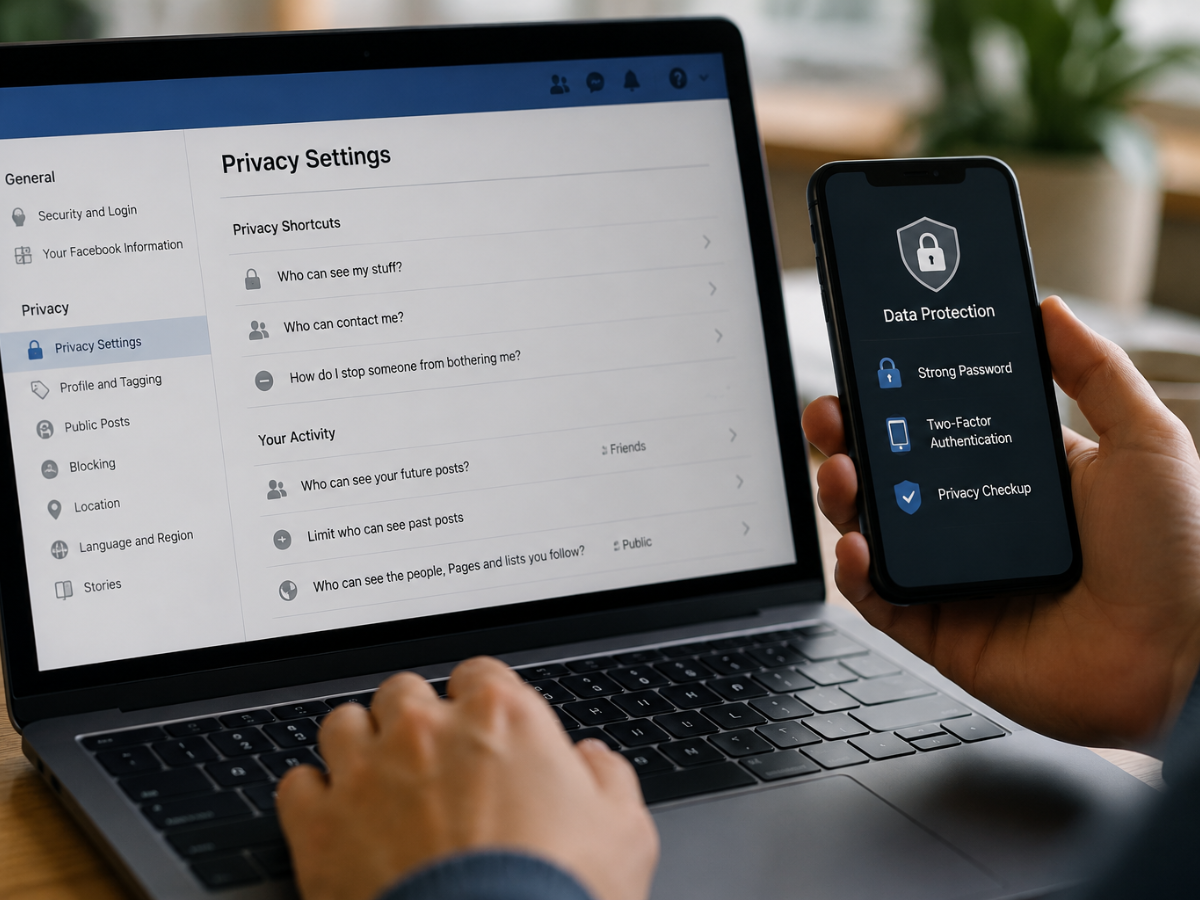
Every search, social media post, online review, and website visit contributes to your digital footprint. Whether you’re aware of it or not, the information available online shapes how employers, clients, businesses, and even cybercriminals perceive you.
Managing that presence has become an essential part of protecting both your privacy and your reputation. Digital footprint management goes beyond deleting old posts or updating privacy settings.
It involves understanding what information is publicly accessible, reducing unnecessary exposure, and taking proactive steps to strengthen your online security. Regularly reviewing your online presence can also help you identify risks before they affect your personal or professional life.
With the right strategies, you can take greater control of your digital footprint, safeguard your personal information, and build an online presence that reflects you accurately and responsibly.
Why Your Digital Footprint Matters More Than You Think
Understanding Your Digital Footprint and Why It Matters

Every search, post, click, and online interaction contributes to your presence on the internet. While many of these actions may seem insignificant on their own, they gradually create a record that can reveal information about your interests, habits, and personal identity.
Understanding how a digital footprint is created is the first step toward protecting your privacy and maintaining greater control over the information others can find about you online.
What Is a Digital Footprint?
A digital footprint is the collection of information you leave behind while using the internet. It includes everything from social media posts and online purchases to comments, website visits, app usage, and account registrations.
Some of this information is shared intentionally, such as photos or status updates, while other data is collected automatically through technologies like cookies, location services, and website analytics.
Over time, these individual actions combine to create a detailed picture of your online behavior. Businesses may use this information to personalize advertisements or improve user experiences, while search engines can make certain public information easier to discover.
As a result, your digital footprint can influence how you are perceived by employers, clients, schools, or even people you meet for the first time.
Understanding what contributes to your online presence makes it easier to make informed decisions about what you share and how your information is managed across different platforms.
How Your Online Activity Builds Your Digital Footprint
Many people associate their online presence only with social media, but a digital footprint extends much further. Nearly every online activity generates some form of data, whether you are browsing websites, watching videos, downloading apps, or signing up for newsletters.
For example, websites often use cookies and analytics tools to understand how visitors navigate their pages. Online retailers may remember products you’ve viewed, while streaming services recommend content based on your viewing history.
Social media platforms also collect information about the posts you engage with, the accounts you follow, and the content you share. Even activities that seem temporary can contribute to long-term data profiles maintained by online services.
Some information is visible to the public, while other data remains behind the scenes and is used to personalize services, improve marketing efforts, or support business analytics.
Although these practices can create more convenient online experiences, they also highlight the importance of understanding how much information is collected during everyday internet use.
What Can Happen If You Ignore Your Digital Footprint?
Leaving your online presence unmanaged can create challenges that extend beyond privacy concerns. One of the most common risks is identity theft, where criminals use personal information gathered from multiple online sources to impersonate someone or commit financial fraud.
The more personal details that are publicly available, the easier it may become for cybercriminals to build a profile of a potential target. Your reputation can also be affected by older posts, photos, or public comments that no longer reflect who you are today.
Employers, clients, colleges, and business partners often review publicly available online information before making decisions, meaning outdated or inappropriate content may influence first impressions.
Privacy is another important consideration. Information shared publicly can sometimes be copied, archived, or redistributed beyond its original audience, making it difficult to fully remove once it has been posted.
Managing your digital footprint does not mean avoiding the internet altogether. Instead, it involves being intentional about what you share, reviewing privacy settings regularly, and understanding how your online activity contributes to your long-term digital presence.
Taking these proactive steps can help protect your personal information while allowing you to enjoy the benefits of today’s connected world.
How to Audit and Take Control of Your Digital Footprint

Managing your online presence starts with understanding what information is already available about you. A digital footprint audit helps you identify the accounts you own, the content you’ve shared, and the personal information that may be visible to others.
Rather than waiting until a privacy concern arises, taking time to review your online presence regularly allows you to stay in control of your personal information and make thoughtful decisions about what remains public.
Conduct a Complete Digital Footprint Audit
A digital footprint audit begins by creating a complete picture of your online presence. Many people have accounts they rarely use or have forgotten entirely, yet those profiles may still contain personal information or publicly visible content.
Start by listing every online account you can remember, including social media platforms, shopping websites, forums, gaming accounts, and subscription services. Searching for your own name in a search engine can also reveal public profiles, images, or older content that you may have overlooked.
Once you’ve identified your accounts, review each one individually. Look through past posts, photos, comments, profile details, and publicly visible information.
Consider whether the content still reflects how you want to present yourself online. Removing outdated posts, deleting unused accounts, or updating profile information can help create a more accurate and professional online presence.
Performing this type of review once or twice a year helps keep your digital footprint current and reduces the amount of unnecessary personal information available online.
Review Privacy Settings Across Every Platform
Even carefully chosen content can become more visible than intended if privacy settings are left at their default options.
Every social media platform offers tools that allow users to control who can view their profiles, interact with their content, and access personal information, but these settings often change as platforms introduce new features.
Take time to review the privacy options for each account you actively use. Limiting profile visibility, restricting who can comment on posts, controlling location sharing, and deciding who can find your account through search are all simple adjustments that can strengthen your privacy.
It is also worth reviewing the permissions you’ve granted to third-party apps connected to your social media accounts. Older applications that you no longer use may still have access to certain account information. Removing unnecessary connections reduces the amount of personal data being shared with outside services.
Regular privacy reviews are an important part of managing your digital footprint because they help ensure your information remains visible only to the audience you choose.
Maintain a Healthier Online Presence Over Time
A digital footprint audit is most effective when it becomes an ongoing habit rather than a one-time task. As you create new accounts, share content, or change jobs, your online presence naturally evolves. Regular checkups help ensure it continues to reflect your current preferences and privacy expectations.
Before posting new content, consider whether you would be comfortable with that information remaining online for years to come. While many platforms allow users to edit or delete posts later, shared content may already have been copied, archived, or viewed by others.
It’s also helpful to periodically search for your name online to see what information is publicly accessible. This simple practice can reveal outdated profiles, duplicate accounts, or unexpected search results that you may want to address.
Managing your digital footprint does not require eliminating your online presence. Instead, it involves making intentional choices about what you share, reviewing your privacy settings regularly, and staying aware of how your information is presented online.
Small, consistent actions can go a long way toward protecting both your privacy and your online reputation.
Using Reputation Management Tools to Strengthen Your Digital Footprint

Your online reputation is shaped by more than what you post yourself. Reviews, news articles, directory listings, social media mentions, and public comments can all influence how others perceive you or your business.
Monitoring this information regularly makes it easier to identify potential issues early and maintain a digital footprint that reflects the image you want to present.
How Reputation Management Tools Monitor Your Online Presence
Reputation management tools are designed to help individuals and businesses keep track of what is being said about them across the internet. Instead of manually searching for your name or company on multiple websites, these services scan a wide range of online sources and notify you when new mentions appear.
Depending on the platform, monitoring may include social media posts, online reviews, blog articles, discussion forums, news websites, and search engine results.
Many tools organize this information into dashboards or reports, making it easier to identify positive feedback, respond to customer concerns, or investigate inaccurate information.
For businesses, this type of monitoring helps protect brand credibility by allowing teams to respond quickly when questions or complaints arise. For individuals, it provides greater awareness of publicly available information that contributes to their digital footprint and online reputation.
Choose the Right Reputation Management Strategy
Not every reputation management solution offers the same features, so selecting the right approach depends on your goals.
Some people simply want notifications when their name appears online, while businesses may need more comprehensive tools that monitor customer reviews, social media activity, and brand mentions across multiple platforms.
When comparing services, consider how frequently they scan for new information, which websites they monitor, and whether they provide reporting tools that make it easy to identify trends over time. Ease of use and the ability to customize alerts can also make ongoing monitoring more practical.
It’s important to remember that reputation management tools do not remove negative content automatically. Instead, they provide visibility so you can respond appropriately, request corrections when necessary, or strengthen your online presence by publishing accurate and up-to-date information.
Choosing a solution that matches your needs makes it easier to manage your digital footprint without spending unnecessary time searching for information manually.
Best Practices for Maintaining a Positive Online Reputation
Reputation management is most effective when it becomes part of a regular routine rather than something you do only after a problem appears. Scheduling periodic reviews of your online presence allows you to identify changes before they become larger concerns.
Responding professionally to reviews and public feedback is another important practice. Whether comments are positive or negative, thoughtful communication demonstrates credibility and shows that you value constructive feedback.
For businesses, this can strengthen customer trust, while individuals can benefit from maintaining a respectful and professional online presence. It’s also helpful to review search results for your name or business periodically to ensure that public information remains accurate.
Updating professional profiles, correcting outdated information, and maintaining active accounts with current content all contribute to a stronger digital footprint over time. Ultimately, reputation management tools work best as part of a broader strategy for managing your online identity.
By monitoring new mentions, responding appropriately, and reviewing your public information on a regular basis, you can build a digital footprint that supports your personal or professional goals while reducing the likelihood of unexpected reputation issues.
Protecting Your Digital Footprint From Identity Theft
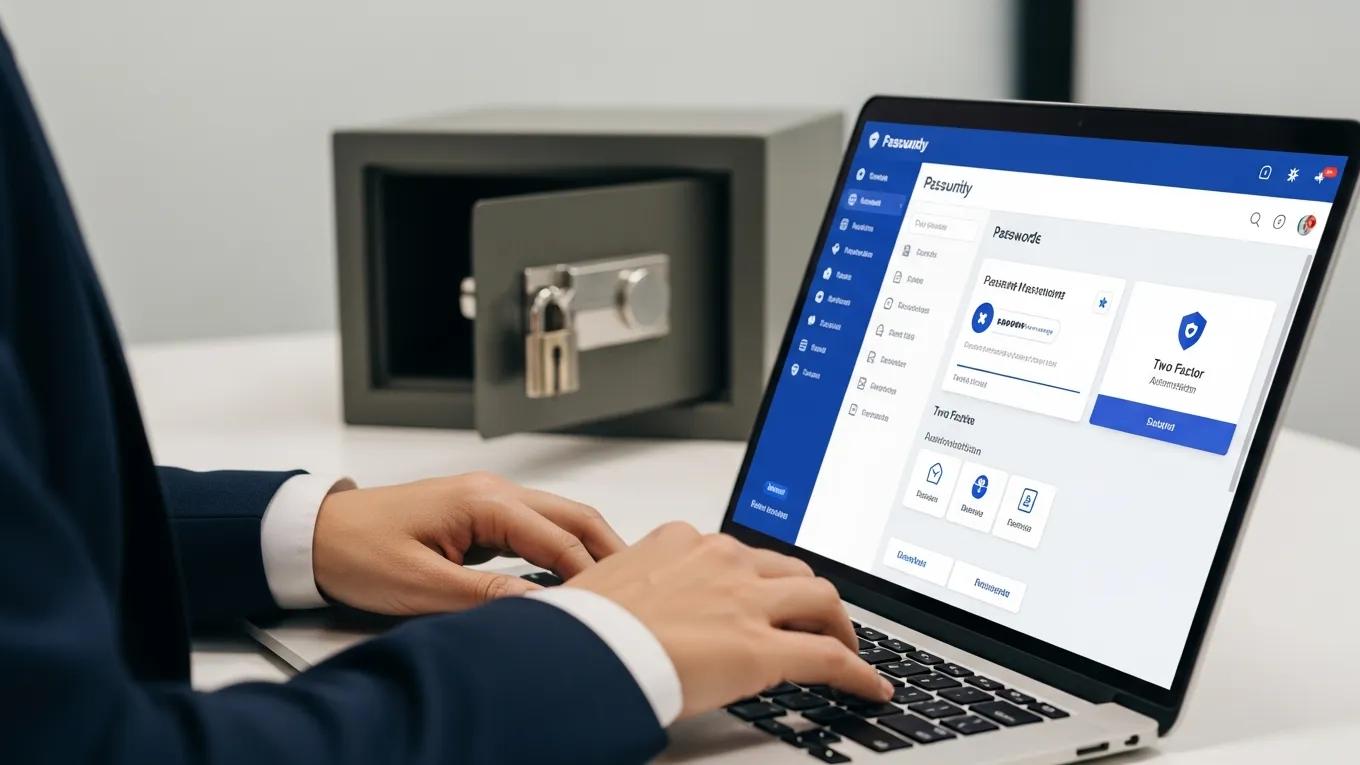
Your digital footprint contains valuable information about your online activity, and if it falls into the wrong hands, it can become a target for cybercriminals.
While no security measure can eliminate every risk, adopting good online habits and responding quickly to potential threats can greatly reduce the chances of identity theft. Protecting your personal information is an important part of maintaining a secure and trustworthy digital footprint.
Recognize the Warning Signs of a Data Breach
Data breaches have become increasingly common, affecting businesses, government agencies, and online services of all sizes.
Even if you have strong security practices, your information may still be exposed if a company you use experiences a breach. Recognizing the warning signs early allows you to act before more serious problems develop.
Unexpected password reset emails, unfamiliar login notifications, unauthorized purchases, or changes to your account information can all indicate that someone has gained access to your personal data. Financial institutions or online services may also notify you if your information has been involved in a known breach.
If you suspect your information has been compromised, act as quickly as possible. Change the password for the affected account, update any other accounts using the same password, and review recent account activity for anything unusual.
Monitoring bank statements, credit card transactions, and online accounts over the following weeks can also help identify suspicious activity before it causes significant damage.
Responding promptly can limit the impact of a breach and help protect both your accounts and your overall digital footprint.
Strengthen Your Online Security Habits
Protecting your personal information starts with building strong everyday security habits. Many cyberattacks succeed because they exploit weak passwords, reused login credentials, or unsecured accounts rather than sophisticated technical vulnerabilities.
One of the most effective steps is creating strong, unique passwords for every important account. Using a password manager can make this process easier by generating and securely storing complex passwords without requiring you to remember each one individually.
Enabling two-factor authentication adds another layer of protection by requiring a second verification step before someone can access your account. Even if a password is compromised, this additional security measure makes unauthorized access much more difficult.
It’s also important to keep software, browsers, and mobile apps updated. Security updates often include fixes for newly discovered vulnerabilities, helping protect your devices from emerging threats. Together, these simple practices strengthen your overall digital footprint by reducing opportunities for unauthorized access.
Reduce Everyday Risks When Sharing Information Online
Many identity theft incidents begin with small pieces of personal information shared over time. Being mindful of what you post online can significantly improve your long-term privacy and security.
Avoid sharing sensitive details such as your full birth date, home address, financial information, travel plans, or answers to common security questions on public platforms. Even information that seems harmless on its own can be combined with other publicly available details to create a more complete profile of you.
Public Wi-Fi networks also deserve extra caution. When using unsecured internet connections, avoid logging into banking websites, accessing sensitive accounts, or transmitting confidential information unless you are using a trusted virtual private network (VPN) or another secure connection.
Protecting your digital footprint is an ongoing process rather than a one-time task.
By staying alert to potential data breaches, practicing good cybersecurity habits, and being selective about the information you share online, you can significantly reduce the risk of identity theft while maintaining greater control over your personal information.
How Internet Data Removal Helps Protect Your Digital Footprint
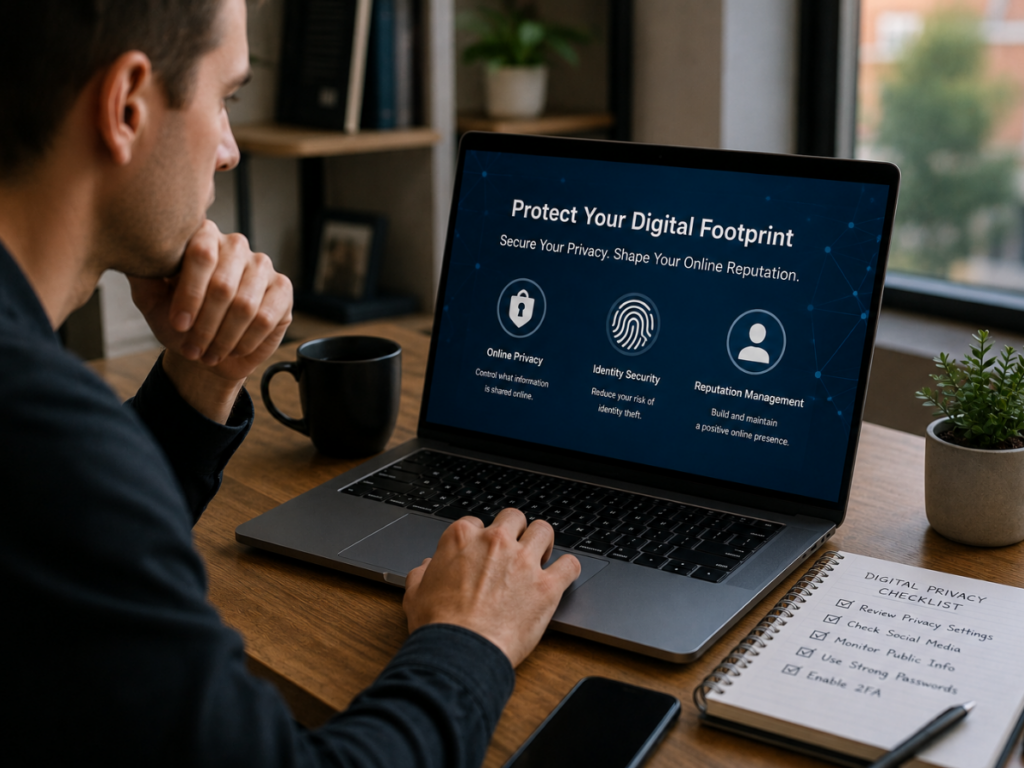
Even when you’re careful about what you share online, personal information can appear in places you never intended. Data brokers, public directories, old social media accounts, and search engine results may all contain details that contribute to your digital footprint.
Internet data removal focuses on reducing the amount of personal information that is publicly accessible, giving you greater control over your online privacy and helping limit unnecessary exposure.
What Information Can Be Removed From the Internet?
Not every piece of online information can be deleted, but many types of personal data can often be updated, removed, or made less visible. The exact options depend on where the information appears and who controls the website or database.
Common examples include outdated contact information, old social media posts, inactive online profiles, personal photos, and listings on people-search websites.
In some cases, you may also be able to request the removal of outdated search engine results or ask websites to update inaccurate information that no longer reflects your current circumstances.
Public records are more complex because many are maintained to meet legal or government transparency requirements. While these records cannot always be removed entirely, some websites that republish public information may accept requests to remove personal details from their databases.
Reviewing what information is publicly available is an important first step toward reducing the size of your digital footprint and limiting unnecessary personal exposure.
How Internet Data Removal Services Work
Managing online information manually can be time-consuming, particularly if your personal details appear across dozens of websites. Internet data removal services help simplify the process by identifying where your information is listed and submitting removal or opt-out requests on your behalf whenever possible.
Many services scan data broker websites, online directories, search results, and other publicly accessible databases to locate personal information connected to your name. Once those records are identified, the service works through each website’s removal process or provides guidance on actions you can take yourself.
Some providers also monitor your information over time and notify you if your personal details reappear on websites that have previously removed them. Because many online databases are updated regularly, ongoing monitoring can be an important part of maintaining a smaller digital footprint.
Although these services cannot guarantee the removal of every piece of information online, they can significantly reduce the amount of personal data that is easily accessible through public searches.
Why Ongoing Privacy Management Matters
Removing personal information from the internet is not a one-time task. New accounts, public records, marketing databases, and online services continually collect and share information, meaning your online presence naturally changes over time.
Regularly reviewing search results for your name, updating privacy settings, deleting unused accounts, and opting out of data collection where possible all contribute to better long-term privacy.
Combining these habits with periodic data removal requests can help keep your personal information from spreading across unnecessary websites.
It’s also important to remember that prevention is just as valuable as removal. Limiting the amount of personal information shared publicly, carefully reviewing app permissions, and thinking before posting sensitive details can reduce the need for future cleanup efforts.
Maintaining a healthy digital footprint requires ongoing attention, but the effort can provide meaningful privacy benefits.
By understanding what information is available online, removing unnecessary personal data when possible, and practicing good privacy habits, you can take greater control of your online identity while reducing your exposure to unwanted tracking, identity theft, and other privacy risks.
Digital Footprint Trends Shaping Online Privacy and Reputation
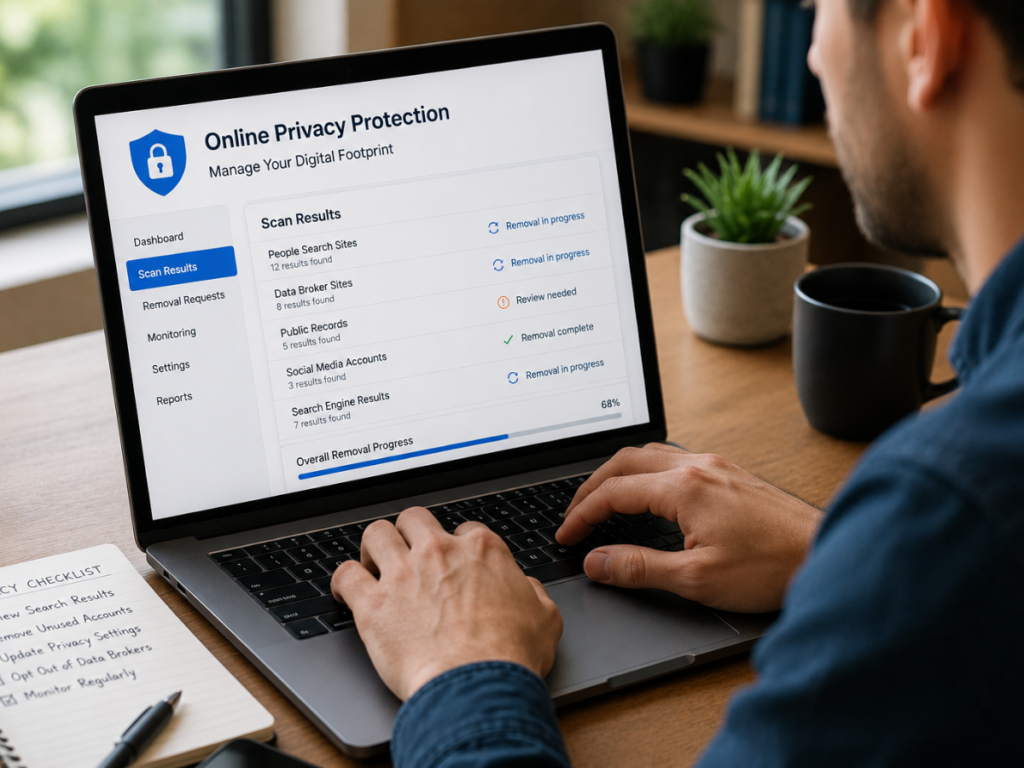
Managing a digital footprint has become increasingly important as more aspects of daily life move online. Employers, schools, financial institutions, and businesses all rely on digital information when making decisions, while cybercriminals continue to develop new ways to target personal data.
Keeping up with current trends helps individuals understand how their online presence can influence both opportunities and security, making proactive digital footprint management more valuable than ever.
How Employers Are Using Online Information
One of the most noticeable trends in recent years is the growing role of online research during the hiring process. Many employers review publicly available information before interviewing candidates or extending job offers.
While professional qualifications remain the primary focus, an individual’s online presence can provide additional context about communication style, professionalism, and public activity.
For job seekers, this means that maintaining a positive digital footprint is no longer just a personal privacy issue. Public social media profiles, professional networking accounts, blog posts, and other online content may all contribute to a potential employer’s first impression.
Outdated information, inappropriate posts, or incomplete professional profiles can sometimes create an unintended image that differs from how someone wishes to present themselves. Research has also highlighted the educational value of teaching online reputation management.
Studies have found that encouraging students to evaluate their own digital presence and consider how others perceive their online activity helps develop stronger critical thinking about responsible social media use and long-term professional reputation.
As digital communication continues to expand, these skills are becoming increasingly relevant in both academic and workplace settings.
Why Identity Theft Continues to Be a Growing Concern
Alongside reputation management, online security remains one of the biggest reasons to pay attention to your digital footprint. Identity theft continues to affect millions of people each year, often resulting in financial losses, fraudulent accounts, and the lengthy process of restoring compromised personal information.
Modern identity theft rarely depends on a single piece of stolen data. Instead, criminals often combine information gathered from data breaches, social media profiles, phishing attacks, and publicly available records to build detailed profiles of potential victims.
Even small details shared across multiple websites can contribute to larger security risks when viewed together.
As online services continue collecting personal information, protecting digital identities has become an ongoing responsibility rather than a one-time task.
Strong passwords, multi-factor authentication, regular account monitoring, and thoughtful privacy settings all play an important role in reducing exposure to these evolving threats.
What These Trends Mean for the Future of Digital Footprint Management
The growing importance of online reputation and cybersecurity has shifted digital footprint management from an optional practice to an essential part of everyday internet use.
Individuals are becoming more aware of how search results, social media activity, public records, and online data collection contribute to their long-term online identity.
At the same time, organizations are placing greater emphasis on responsible data handling, transparency, and user privacy. New privacy regulations, expanded account security features, and improved data management tools give users more opportunities to understand and control how their information is collected and shared.
Despite these improvements, managing a digital footprint still requires ongoing attention. Regularly reviewing online accounts, updating privacy settings, monitoring public information, and staying informed about emerging cybersecurity risks can help individuals maintain greater control over their online presence.
As technology continues to evolve, the importance of a well-managed digital footprint will only increase.
By understanding current trends and adopting proactive privacy and security habits, individuals can protect their personal information, strengthen their online reputation, and navigate the digital world with greater confidence.
Building Long-Term Habits to Protect Your Digital Footprint
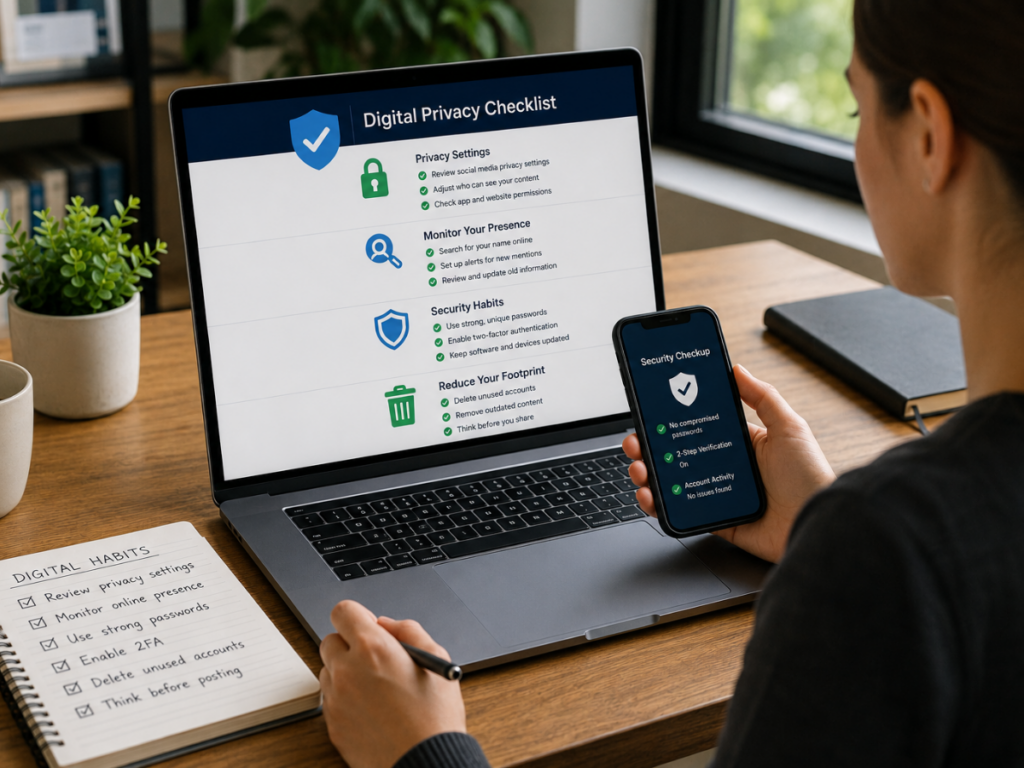
Managing your online presence is not something you do once and forget. As new accounts are created, websites collect additional data, and online activity accumulates over time, your digital footprint continues to grow.
Developing regular privacy and security habits helps you stay in control of your information while reducing the likelihood of unwanted exposure. With a proactive approach, you can enjoy the benefits of being online without giving up unnecessary personal information.
Make Privacy Settings Part of Your Routine
Privacy settings are one of the simplest yet most effective tools for protecting your online presence. They determine who can view your personal information, interact with your content, and access details such as your contact information, location, or activity history.
Taking a few minutes to review these settings can significantly reduce how much of your information is visible to the public.
It’s important to remember that privacy options are not static. Social media platforms, apps, and online services frequently update their features, which can introduce new settings or change existing ones.
Reviewing your preferences regularly helps ensure your accounts continue to reflect your current privacy expectations. While stronger privacy settings can limit public visibility, they should be combined with thoughtful sharing habits.
Before posting photos, personal updates, or location information, consider who can see the content and whether you would be comfortable with it remaining online in the future. These small decisions play an important role in maintaining a healthy digital footprint over time.
Monitor Your Online Presence Regularly
You cannot manage what you do not monitor. Regularly checking your online presence helps you identify outdated information, unauthorized content, or unexpected mentions before they become larger issues.
Searching for your own name using popular search engines is a simple place to start. This allows you to see what information is publicly available and whether any old profiles, images, or articles appear in search results.
Setting up automated alerts for your name or business can also provide notifications when new public content is indexed online.
Reviewing your social media accounts periodically is equally important. Older posts, profile details, or photos may no longer represent how you want to present yourself. Updating account information, removing outdated content, and deleting unused accounts all contribute to a more accurate and secure digital footprint.
For individuals or businesses with a larger online presence, reputation monitoring tools can simplify this process by tracking mentions across websites, review platforms, and social media channels. These tools make it easier to stay informed without manually checking every platform.
Create Sustainable Online Security Habits
Long-term security depends on consistent habits rather than occasional cleanup efforts. Small actions performed regularly often provide greater protection than making large changes only after a problem occurs.
Keeping passwords unique, enabling multi-factor authentication, updating devices with the latest security patches, and reviewing account permissions all help reduce unnecessary risks.
It’s also beneficial to periodically evaluate which online accounts you still use. Closing inactive accounts limits the amount of personal information stored across multiple services and reduces potential points of exposure.
Staying informed about new privacy features and emerging cybersecurity threats can also help you make better decisions about your online activity.
As technology evolves, new tools become available that allow users to manage their information more effectively. Ultimately, maintaining a secure digital footprint is an ongoing process built on awareness and consistency.
By reviewing privacy settings, monitoring your online presence, and practicing good digital security habits, you can strengthen your online privacy while maintaining greater control over the information that represents you on the internet.
Frequently Asked Questions About Managing Your Digital Footprint

By this point, it’s clear that managing a digital footprint involves much more than adjusting a few privacy settings. It requires ongoing attention to what information is available online, how it is shared, and how it may be perceived by others.
The following answers address some of the most common questions people have about maintaining a secure and professional online presence.
How Can You Manage Your Digital Footprint More Effectively?
Managing your digital footprint starts with building consistent habits rather than reacting only when a problem arises. Regularly reviewing your online accounts, updating privacy settings, and removing outdated information helps you maintain greater control over your personal data.
It’s also important to be intentional about what you share. Before posting photos, comments, or personal updates, consider who may be able to view that information now and in the future. Even content intended for a small audience can sometimes become more widely accessible than expected.
Another valuable practice is periodically searching for your own name online. This allows you to see what information is publicly available and identify profiles, images, or search results that may need to be updated or removed.
Combined with reputation monitoring tools and strong account security, these habits help create a healthier and more secure digital footprint over time.
What Are the Best Ways to Protect Your Online Reputation?
Protecting your online reputation requires a balance between monitoring existing content and creating positive new content. Checking search results, reviewing social media profiles, and keeping professional information current all help ensure that your online presence accurately reflects who you are today.
When negative reviews or public comments appear, responding professionally is often more effective than reacting emotionally or ignoring the issue altogether. A respectful, constructive response demonstrates accountability and can leave a positive impression on future readers.
For businesses, maintaining accurate listings, publishing helpful content, and engaging thoughtfully with customers all contribute to a stronger reputation.
Individuals can benefit from similar practices by keeping professional profiles updated, participating positively in online communities, and sharing content that aligns with their personal or career goals.
What Habits Help Maintain a Strong Digital Footprint Long Term?
The most effective digital footprint management happens through small, consistent actions rather than occasional large-scale cleanups.
Setting reminders to review privacy settings, update passwords, remove unused accounts, and check public search results helps prevent your online presence from becoming outdated or difficult to manage.
As new websites, apps, and online services become part of your daily life, it’s also worth reviewing what information each platform collects and whether you are comfortable sharing it.
Being selective about permissions, limiting unnecessary personal details, and enabling additional security features can significantly improve your long-term privacy. Ultimately, maintaining a positive digital footprint is an ongoing process.
By staying aware of your online activity, protecting your personal information, and reviewing your public presence regularly, you can build an online identity that supports your personal, professional, and privacy goals while adapting to the ever-changing digital landscape.
Conclusion
Managing your digital footprint is an important part of protecting your privacy, safeguarding your reputation, and reducing your exposure to online risks.
By reviewing your online presence regularly, strengthening account security, and being mindful of the information you share, you can take meaningful steps toward protecting both your personal and professional identity.
When you need experienced guidance on security and risk management, working with trusted professionals can provide added peace of mind. For reliable investigative and security services, choose 4Horsemen Investigation & Security.
If you’re ready to take a more proactive approach to your personal or business security, call (470) 681-9377 to speak with the team at 4Horsemen Investigation & Security or visit our website to schedule your free consultation today.